






The Morning Traffic Jam
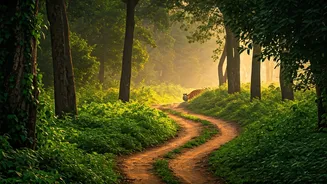
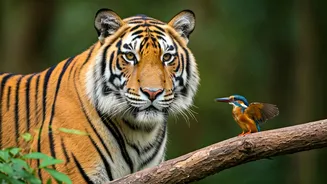
Imagine this: you're in a safari jeep in the heart of Bandhavgarh or Kanha, surrounded by the serene beauty of the sal forest. Suddenly, your guide’s radio crackles to life. A tiger has been spotted near a waterhole. Within minutes, your solitary experience
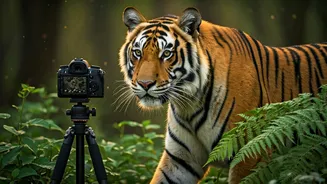
transforms. Jeeps converge from every direction, creating a 'tiger jam'. Photographers with telephoto lenses the size of small cannons jostle for the perfect angle, shutters firing like machine guns. This scene, once an anomaly, is now a daily occurrence in Central India's famed tiger reserves. The pursuit of the perfect wildlife photograph has turned safari routes into crowded thoroughfares, fundamentally changing the experience of being in the wild.
A Boom Driven by Pixels and Passion
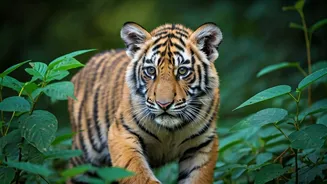
What is fuelling this unprecedented rush? It's a perfect storm. Firstly, the remarkable success of Project Tiger means there are more tigers to see than in decades past. India is now home to over 70% of the world's wild tigers, making sightings more probable. Secondly, the rise of social media has created an insatiable appetite for 'trophy' shots. An incredible tiger portrait can garner thousands of likes, conferring instant prestige. This has been amplified by the accessibility of professional-grade DSLR and mirrorless cameras. A growing number of urban Indians have the disposable income and the gear to pursue wildlife photography not just as a hobby, but as a serious passion. The post-pandemic travel surge has only accelerated this trend, with people eager to connect with nature, armed with a camera and a checklist of species to 'capture'.
An Economic Lifeline for a Fragile Ecosystem
It's easy to decry the crowds, but the surge in tourism is a critical economic engine for conservation. The revenue generated from park entry fees, safari permits, and resort stays directly funds forest department activities, including anti-poaching patrols and habitat management. More importantly, it provides thousands of jobs for local communities. For every guide, driver, and naturalist, there are dozens of others employed in hospitality and support services. This economic dependence gives local populations a powerful incentive to protect the forest and its inhabitants. In many ways, the photographers and tourists are paying for the protection of the very animals they've come to see. Without this revenue stream, many conservation efforts would be severely underfunded.
The Unseen Stress on Wildlife
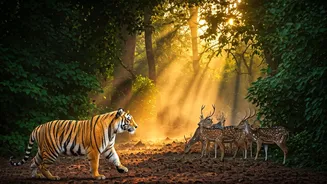
However, this economic boon comes at a significant ecological cost. Conservationists and veteran field guides have raised alarms about the impact on animal behaviour. Tigers, especially mothers with cubs, are subjected to constant stress from the convoy of vehicles. The noise and proximity can force them to alter their natural hunting patterns or abandon kills. In the race for a sighting, jeeps often go off-track, damaging fragile vegetation, or speed recklessly, posing a direct threat to smaller, less 'glamorous' species. The intense focus on tigers means that the rich biodiversity of the entire ecosystem—the birds, the deer, the reptiles, the flora—is often overlooked. The very presence of so many humans, however well-intentioned, can disrupt the delicate balance of the forest.
Rethinking the Safari Experience
The situation presents a complex dilemma. How do we balance the economic benefits of tourism with the ethical responsibility to protect wildlife? Several parks are experimenting with solutions. Some have implemented stricter caps on the number of vehicles allowed in certain zones. Others are focusing on training guides to enforce ethical viewing distances and manage crowd behaviour. But a more fundamental shift may be needed—away from a 'tiger-centric', consumptive model of tourism towards a more holistic, educational one. The goal should not be just to 'get the shot', but to appreciate the entire forest ecosystem. This involves encouraging interest in birding, botany, and the subtler signs of the jungle, spreading the tourist load and reducing pressure on the flagship species.