




The Numbers Are In
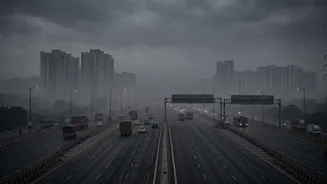
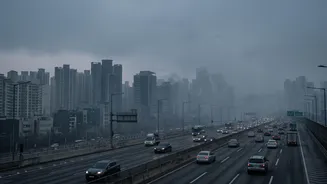
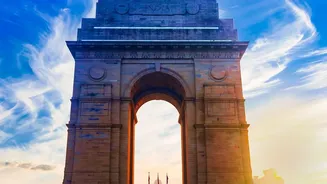
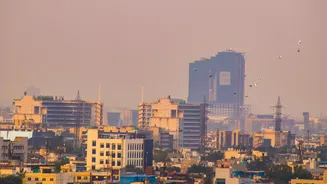
On Wednesday, October 21, Delhi woke up to an Air Quality Index (AQI) that had crossed the 200-mark, settling firmly in the 'poor' category. The city's overall AQI jumped from a 'moderate' 179 on Tuesday to 244 by Wednesday afternoon, the highest reading
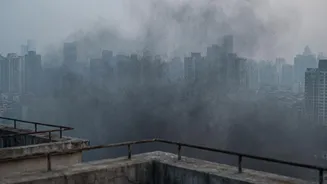
in over 100 days. This isn't just a number; it's a threshold. An AQI between 201 and 300, classified as 'poor', can cause breathing discomfort to most people upon prolonged exposure. For those with existing heart or lung conditions, the elderly, and children, the effects can be more pronounced and immediate. The concentration of harmful microscopic particles, particularly PM2.5 and PM10, rises significantly in this range. These fine particles are small enough to penetrate deep into the lungs and even enter the bloodstream, leading to respiratory issues and aggravating existing health problems.
The Usual Suspects Return
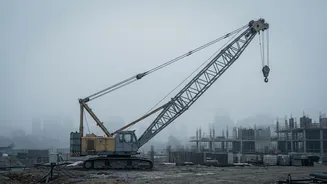
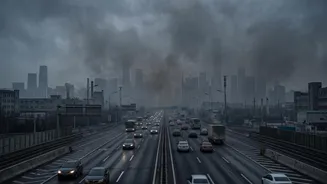
The timing of this deterioration is predictable. The transition out of the monsoon season, coupled with falling temperatures and calmer winds, creates a perfect trap for pollutants. During winter, a phenomenon called temperature inversion occurs, where a layer of warm air sits above the cooler air near the ground, acting like a lid and preventing pollutants from dispersing. Adding to this are several man-made factors. The burning of Ravan effigies during Dussehra celebrations on Tuesday contributed to the spike in particulate matter. More significantly, this period marks the beginning of the crop residue burning season in neighbouring states like Punjab and Haryana. Forecasts suggest that the contribution of stubble burning to Delhi's PM2.5 levels was around 8% on Wednesday and is expected to rise to over 13% on Thursday. This, combined with consistent emissions from vehicles, industry, and construction dust, creates a toxic cocktail that settles over the National Capital Region.
The Graded Response Action Plan (GRAP) Kicks In
With the air quality projected to remain in the 'poor' category for the coming days, the Commission for Air Quality Management (CAQM) has invoked Stage-I of the Graded Response Action Plan (GRAP) across the entire NCR. GRAP is a set of emergency measures that are enforced based on the severity of air pollution. Stage I is triggered when the AQI is 'poor' (201-300). Under these restrictions, authorities will intensify mechanized sweeping and water sprinkling on roads, especially in high-traffic corridors, to control dust. There is a ban on the use of coal and firewood in hotels and open eateries. Further, the use of diesel generator sets is restricted to essential and emergency services only. Citizens are also urged to do their part by using public transport, keeping their vehicle engines properly tuned, and reporting any pollution-causing activities through designated apps like Green Delhi.
Protecting Yourself and Your Family
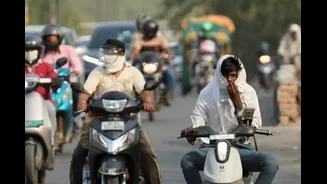
As the pollution season sets in, taking precautions becomes essential. Even short-term exposure to 'poor' air can cause coughing, throat irritation, and shortness of breath. For vulnerable groups, the risks are higher. Limiting outdoor exposure, especially during the early morning and late evening when pollution levels are often at their peak, is advisable. If you must go out, consider wearing a well-fitted N95 or FFP2 mask. At home, using air purifiers with HEPA filters can help improve indoor air quality. It's also a good time to ensure any pre-existing respiratory conditions like asthma are well-managed. Pay attention to your body; symptoms like persistent coughing, wheezing, or unusual fatigue shouldn't be ignored. The Delhi Metro has announced it will run 20 extra train trips to encourage the use of public transport. Taking these small steps can help mitigate the health impacts of the hazardous air quality that is likely to be a feature of life in the capital for the next few months.