

The Truth About Air-Purifying Plants
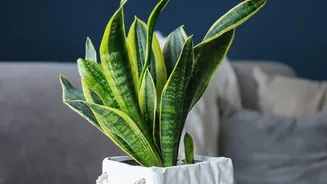
The idea that houseplants can clean indoor air became popular after a 1989 NASA study. This research found that certain plants could absorb common household toxins like formaldehyde and benzene in a sealed chamber. Snake Plants, for instance, are known
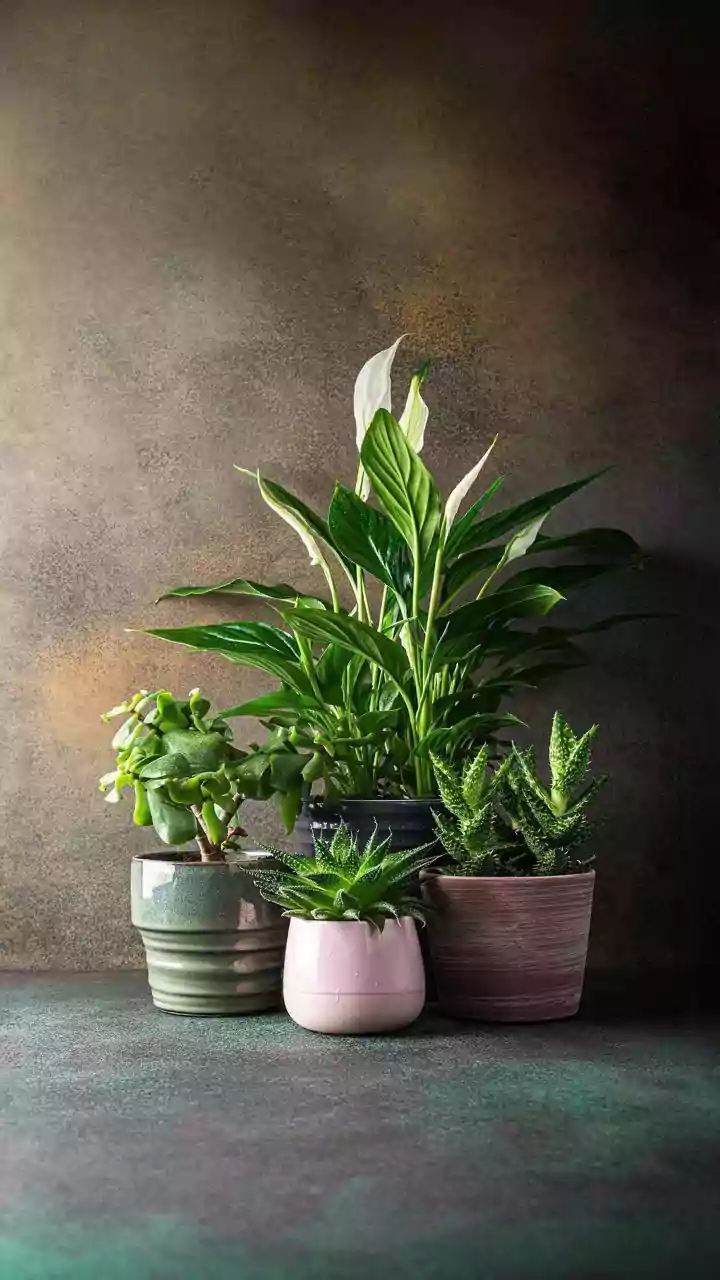
to be effective at removing multiple pollutants, while Peace Lilies can tackle ammonia, among others. However, it is important to have realistic expectations. In a typical home with regular air exchange, you would need a very large number of plants to significantly impact air quality. Think of them as a beautiful supplement to good ventilation, not a substitute for it. Their primary, proven benefits are boosting mood, reducing stress, and adding a touch of nature to your home.
The Hidden Catch: Toxicity
Here's a crucial fact that is often overlooked: many popular air-purifying plants are toxic if ingested. This is particularly important for households with curious pets or small children. The headline mentions Snake Plants and Peace Lilies, both of which are excellent examples. While they are fantastic for air quality, they are poisonous to cats and dogs and can cause discomfort in humans if eaten. A Snake Plant contains saponins, which can cause nausea and vomiting, while Peace Lilies can lead to severe irritation and swelling of the mouth and tongue. Therefore, selecting the right plant requires a careful balance between its air-cleaning properties and its safety for your specific living situation.
Popular Purifier: The Snake Plant
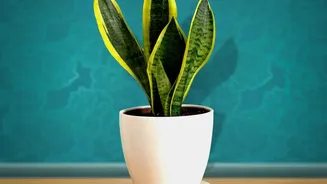
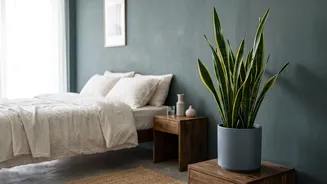
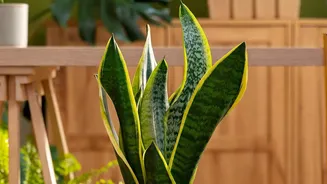
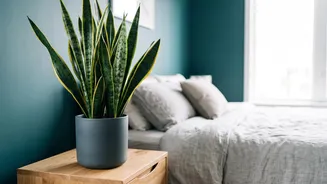
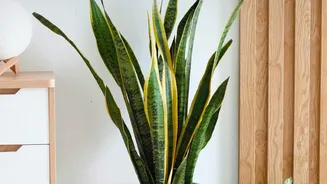
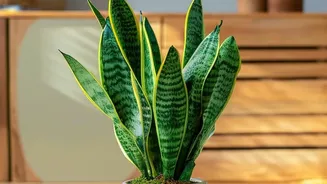
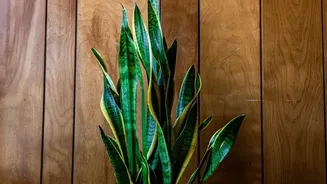
The Snake Plant, or Sansevieria, is a favourite for a reason. It is incredibly hardy, tolerates low light, and requires infrequent watering, making it perfect for beginners or busy individuals. It's a champion at filtering pollutants like formaldehyde, benzene, and xylene. However, as noted, it is toxic to pets. If you don't have pets or children, or if you can place it safely out of reach, it's an outstanding choice. Its tall, architectural leaves add a modern, stylish look to any corner.
Popular Purifier: The Peace Lily
The Peace Lily, or Spathiphyllum, is renowned for its ability to remove all major indoor air pollutants, including ammonia. With its elegant white blooms and glossy dark leaves, it brings a touch of sophistication to any room. It prefers bright, indirect light and consistently moist soil, and will often droop dramatically to let you know it's thirsty. But like the Snake Plant, it is toxic. Ingestion can cause significant irritation and discomfort for both humans and animals. This makes it another plant to be placed with care in homes with pets and kids.
Safe & Effective: The Areca Palm
If you need a plant that is both a capable air purifier and completely non-toxic, the Areca Palm is a fantastic option. Also known as the Butterfly Palm, it is effective at filtering pollutants and is perfectly safe for pets and children. These palms prefer bright, indirect light and soil that is kept lightly moist. With their feathery, arching fronds, they add a lush, tropical feel to a living room or bright hallway, creating a cozy vibe without the worry.
Safe & Effective: The Spider Plant
The Spider Plant is another superstar of the non-toxic world. It is celebrated for its ability to remove formaldehyde and xylene from the air. Known for being incredibly easy to grow and propagate, it produces little “spiderettes” that can be repotted to create new plants. They thrive in a range of conditions and are forgiving if you occasionally forget to water them. Best of all, they are completely safe for all members of the household, making them an ideal choice for a family home.
Safe & Effective: The Boston Fern
Boston Ferns are considered one of the most efficient natural air purifiers and have been popular indoor plants for centuries. They are particularly good at removing formaldehyde. These lush, shaggy plants are completely non-toxic, making them another worry-free choice for homes with pets or children. They do require a bit more attention than a Snake Plant, as they prefer cool temperatures, high humidity, and indirect light to truly flourish. A bathroom or a regularly misted spot in your living area would make a perfect home for this vibrant green plant.