




When we think about getting stronger, we often picture lifting weights. But what about activities like cycling and skating? These popular exercises offer more than just a cardio boost; they build strength in surprisingly different ways.
The Principle of Specificity
The foundation
of any effective fitness plan is the principle of specificity. In simple terms, it means your body adapts specifically to the demands you place on it. If you want to become a better runner, you need to run. If you want to lift heavier weights, you need to practice lifting heavy. This same logic applies to building strength through different types of exercise. Two activities might seem similar on the surface, but the unique movements they require will lead to different physical adaptations. Cycling and skating serve as a perfect case study. Both are fantastic for lower-body and cardiovascular fitness, yet they sculpt and strengthen your muscles in distinct ways. Understanding these differences is the first step toward choosing the right activity for your specific strength ambitions.
The Power of the Pedal
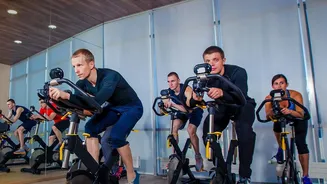
Cycling is a powerhouse for building lower-body strength. The main drivers of the pedal stroke are the large muscles in your legs. Your quadriceps at the front of your thighs do most of the work pushing down, while your hamstrings and glutes engage on the upstroke, especially if you use clip-in pedals. Your calves also play a crucial role in stabilizing your ankle throughout the entire motion. While primarily an aerobic activity, you can manipulate your cycling workout to focus more on strength. Riding up hills or increasing the resistance on an indoor bike forces your muscles to produce more force, shifting the workout from pure endurance to strength-endurance. However, it's worth noting that cycling primarily targets the lower body, so for comprehensive strength, it should be paired with exercises that work the upper body and core.
Gliding Toward a Stronger Core
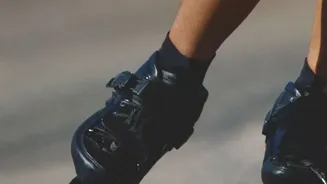
Skating, whether on quad or inline skates, presents a different set of challenges and, therefore, different strength benefits. The side-to-side pushing motion is key. This lateral movement heavily recruits your gluteus medius (the side of your hip) and your inner thigh muscles (adductors) to both propel you forward and pull your leg back to the center. But the most significant demand of skating is balance. Simply staying upright on wheels requires constant, subtle adjustments from your core muscles, including your abdominals and lower back. This makes skating an exceptional workout for building functional core strength and stability. While your quads and glutes are certainly working, the emphasis is less on raw power and more on control, coordination, and engaging smaller stabilizing muscles that other exercises often miss.
Choosing Your Workout Wisely
So, which is better for strength? The answer depends entirely on your goal. If your aim is to build powerful quads and glutes for explosive movements, cycling with high resistance or on inclines is a fantastic choice. If you're looking to improve your overall stability, strengthen your core, and target hard-to-reach hip muscles for better balance and injury prevention, skating is an excellent option. Skating is also considered a low-impact exercise, making it a gentler option for your joints compared to high-impact activities. Some studies have even found that inline skating can be more beneficial for developing hip and thigh muscles than cycling because of its unique movement patterns. The key is to move beyond the generic idea of 'getting fit' and define what 'strong' means to you.
Build Your Personal Fitness Blueprint
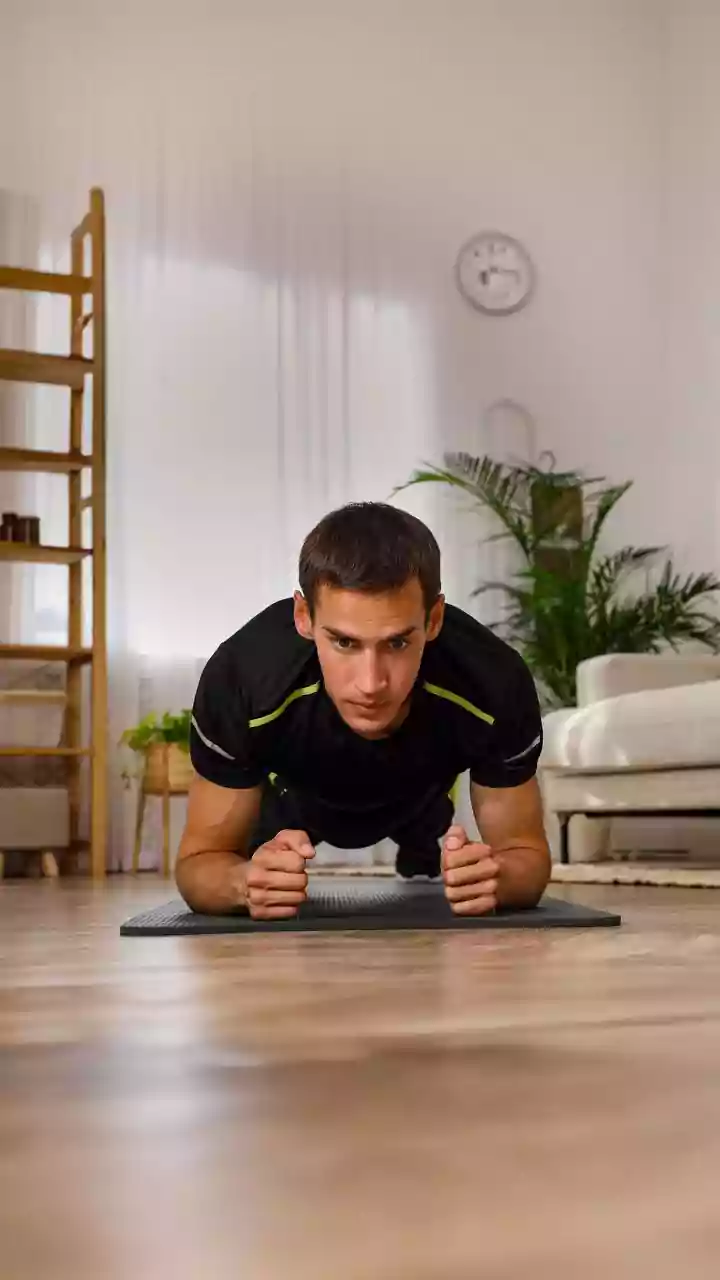
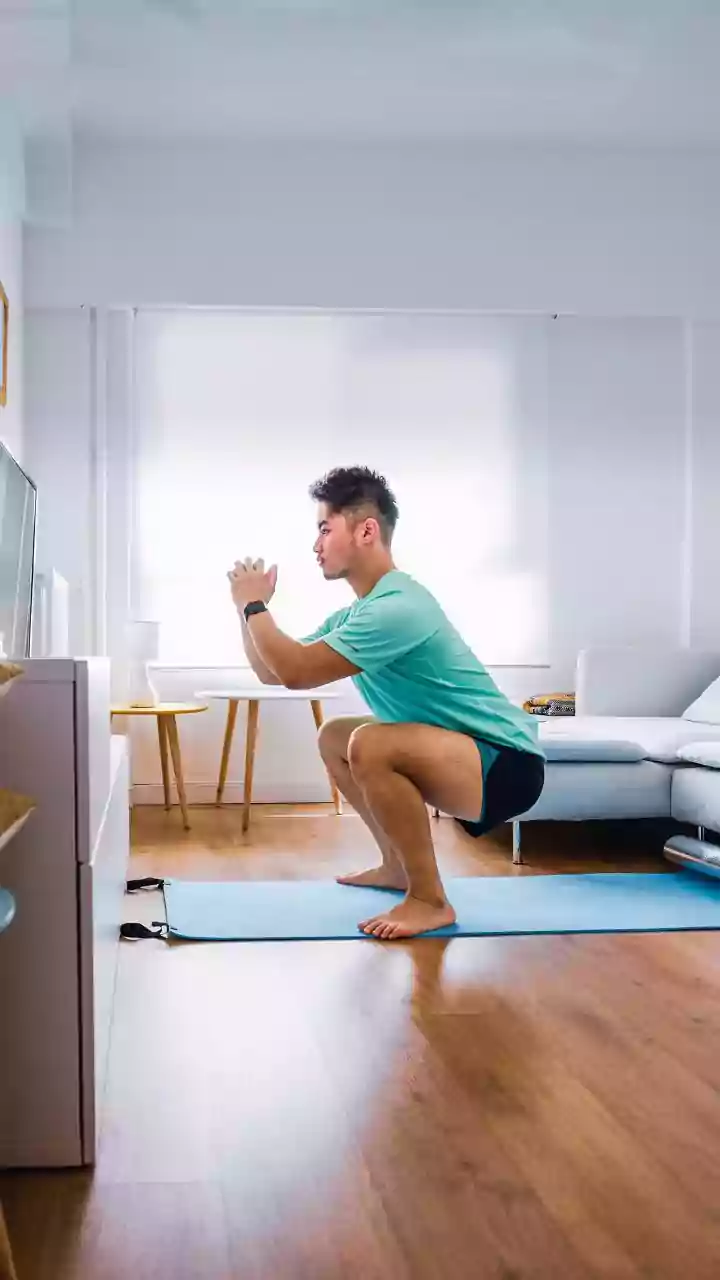
Use cycling and skating as a model for your own fitness journey. Start by clearly defining your goals. Are you aiming for bigger muscles (hypertrophy), the ability to produce maximum force (strength), or the capacity to sustain effort over time (endurance)? Once your goal is clear, select activities that directly support it. If you want to improve your tennis game, drills that mimic the sport's lateral movements and rotational power are more specific than longndistance running. If you want to tone your arms, a routine focused on pushups and rows is more direct than a spin class. By aligning your exercises with your desired outcomes, you create a more efficient and effective path to success, ensuring that every drop of sweat is an investment in the specific results you want to achieve.