






Inspect Your Tyres Thoroughly
Your tyres are the only part of your car in direct contact with the road, and their importance multiplies on wet surfaces. Before you set off, check for adequate tread depth. The grooves on your tyres are designed to channel water away and prevent hydroplaning—a
dangerous situation where your car skids on a thin layer of water. Worn-out tyres cannot disperse water effectively, drastically increasing your risk. Also, ensure your tyre pressure matches the manufacturer's recommendation, and don't forget to check the spare. Incorrect pressure affects grip, braking, and overall handling.
Test Your Braking System
Brakes are critical for safety, but their efficiency can be reduced by water on the roads. Stopping distances are naturally longer in wet conditions, so your braking system needs to be in top form. Before your trip, listen for any unusual squealing or grinding noises. If you feel the car pulling to one side when you brake, it's a red flag that needs immediate attention from a mechanic. Also, visually inspect the brake fluid level in the reservoir to ensure it's between the minimum and maximum marks.
Ensure Crystal-Clear Visibility
Heavy rain drastically reduces visibility for everyone on the road. Your first line of defence is a perfectly functioning set of wiper blades. If your current wipers leave streaks, make squeaking noises, or skip across the glass, replace them immediately. It's a small investment for a massive gain in safety. While you're at it, top up your windshield washer fluid. A good quality washer solution is better than plain water at cutting through the oily, muddy grime that gets splashed onto your screen in the rain.
Check All Your Lights
In a downpour, being seen is just as important as seeing. Walk around your car and check that all your lights are clean and working correctly: headlights, tail lights, brake lights, and indicators. If your car is equipped with fog lamps, ensure they are functional, as they are invaluable in heavy rain and mist. Having a faulty bulb is an unnecessary risk, so replace any that are not working before you begin your journey. It ensures other drivers can see you and react to your movements in low-visibility conditions.
Examine the Battery and Electricals
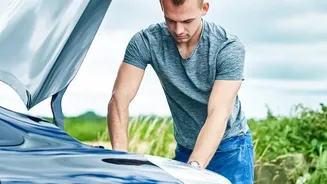
The combination of high humidity and constant use of lights, wipers, and the defogger puts extra strain on your car's battery and electrical systems. Pop the bonnet and inspect the battery terminals for any signs of corrosion—often a white or bluish deposit. Clean it off and ensure the connections are tight. Moisture can cause short circuits, so a quick check for any exposed or damaged wiring is also a wise move. A battery failure can leave you stranded at the worst possible time.
Protect the Cabin and Underbody
Monsoon travel isn't just about what's under the bonnet. Check the rubber seals around your doors and windows for any cracks or wear, as these can lead to leaks, damp interiors, and musty smells. If you have a sunroof, make sure its drainage channels are clear of debris. After driving through muddy patches, it's a good practice to wash the car's underbody to prevent mud from trapping moisture, which can accelerate rust and corrosion over time.
Pack a Monsoon-Ready Emergency Kit
Your standard emergency kit needs a few monsoon-specific additions. Beyond the usual first-aid supplies, jumper cables, and tools, be sure to include a powerful flashlight with extra batteries, a reflective warning triangle, and a rain poncho. A tow strap can also be a lifesaver if you or someone else gets stuck. Non-perishable snacks and bottled water are always a good idea in case of unexpected delays caused by weather-related road closures.