








The Paradox of the Harvest
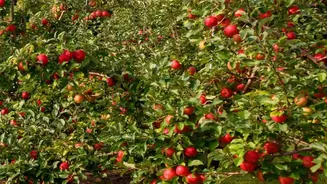
Every year, as orchards across Kashmir Valley burst with apples, a familiar sense of dread settles in among the growers. The massive influx of produce into the market during a short harvest window leads to a dramatic oversupply. With limited bargaining
power and inadequate on-farm storage, farmers are often forced into distress sales, selling their year's hard work at rock-bottom prices to middlemen. In past seasons, it wasn't uncommon for prices to plummet so low that a box of apples wouldn't even cover the cost of production and transport. This situation is compounded by logistical nightmares like highway closures, which can leave trucks stranded and tons of perishable fruit at risk of spoiling. Without the ability to hold their produce, farmers have been trapped in a cycle of low returns, watching their profits get crushed under the weight of a bountiful, but ill-timed, harvest.
A Cooperative Solution Emerges
In response to this systemic challenge, a powerful new model is taking root across the valley: farmer cooperatives and Farmer Producer Organisations (FPOs). By pooling their resources, growers are moving from being individual, vulnerable sellers to a collective force with greater market influence. These cooperatives empower farmers to negotiate better terms, share knowledge on modern agricultural practices, and, most importantly, invest in the critical infrastructure they could never afford alone. This shift represents more than just a business strategy; it is a fundamental change in mindset. Instead of competing against each other during the frantic harvest season, farmers are collaborating to build a more resilient and profitable future for the entire community. The government has also encouraged this shift, recognizing that organised farmers can build brands and capture more value from their produce.
How Cold Storage Changes the Game
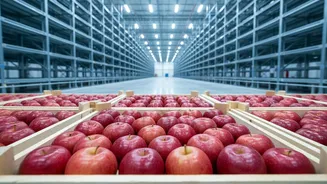
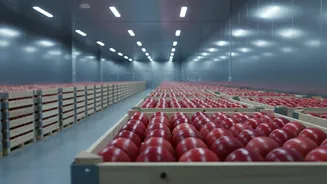
The cornerstone of this new cooperative strategy is the Controlled Atmosphere (CA) cold storage facility. These are not just giant refrigerators; they are high-tech units that precisely manage temperature, humidity, and gas levels (oxygen, carbon dioxide, and nitrogen) to keep apples fresh for up to ten months. This technology is a game-changer. Instead of selling everything during the autumn glut, farmers can now store their A-grade produce and gradually release it into the market throughout the year, selling when demand is high and prices are favourable. This ability to wait transforms farmers from price-takers to price-setters. The financial impact is significant, with some growers reporting that they can earn more than double the price for a box of apples sold from a cold store compared to a distress sale during harvest. These facilities act as a crucial buffer, preventing panic selling and protecting growers from catastrophic losses.
Challenges on the Cold Path
While the rise of cold storage is a lifeline, the path is not without obstacles. Building and operating CA units is capital-intensive, and ensuring a reliable electricity supply in remote areas can be a major hurdle. During peak season, the existing infrastructure is often overwhelmed, with reports of vehicles waiting for days to unload at storage facilities. Furthermore, the effectiveness of storage depends on the quality of the apples going in. A rush to store without proper sorting can lead to lower-grade produce, which may not fetch the expected high prices later on, sometimes barely covering production and storage costs. Despite these growing pains, the consensus among orchardists is that cold storage is no longer a luxury but a necessity for survival and growth in the modern apple economy.
The Bigger Picture for Kashmir's Economy
The scaling of cold storage infrastructure by farmer cooperatives is about more than just better apple prices. It's a vital step towards modernising Kashmir's most important horticultural sector, which provides a livelihood for an estimated 3.5 million people and contributes significantly to the region's economy. By reducing post-harvest losses and increasing farmer incomes, this movement creates a positive ripple effect. Higher profits allow growers to reinvest in their orchards, adopting better farming practices and planting high-density varieties that improve quality and yield. It fosters economic self-reliance and builds a more stable foundation for an industry that is critical to the social and economic fabric of Jammu and Kashmir.