



A Shift in the Urban Palate
Walk into an independent café in Mumbai, Bengaluru, or Delhi, and you'll notice a quiet revolution brewing. While artisanal coffee remains a staple, the non-caffeinated menu is buzzing with new energy. At the forefront are craft mixers featuring traditional
Indian ingredients like hibiscus and kokum. These aren't the sugary, artificially flavoured syrups of the past. Instead, they are thoughtfully made, botanical-infused bases that create complex and refreshing non-alcoholic beverages. Café owners report that these drinks are not just niche items but significant sellers, tapping into a fundamental shift in what urban Indian consumers want from their daily indulgence.
The Allure of Wellness
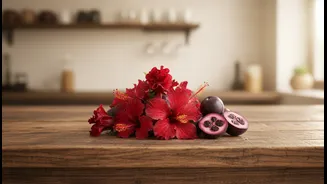
A major driver of this trend is a collective pivot towards healthier living. Modern consumers are increasingly wary of high-sugar carbonated drinks and are actively seeking alternatives that offer functional benefits. Hibiscus, with its tart, cranberry-like flavour, is packed with antioxidants, vitamin C, and compounds that may help lower blood pressure. Similarly, kokum, a tangy fruit native to India's Western Ghats, has been a staple in Ayurveda for centuries. It's known for its cooling properties and benefits for digestion, making it a perfect choice for India's hot climate. By offering these ingredients in a modern, appealing format, cafés are catering to a wellness-conscious generation that wants their drinks to do more than just quench thirst.
Celebrating Indigenous Ingredients
The popularity of hibiscus and kokum is also deeply connected to the 'Vocal for Local' movement, which has instilled a renewed sense of pride in homegrown products. Consumers are increasingly curious about and supportive of native ingredients, and this extends to what they eat and drink. Kokum, in particular, is a celebrated ingredient in Konkan and Maharashtrian cuisines, often used to make refreshing 'sol kadhi' or sherbet. Independent cafés are tapping into this cultural resonance, reintroducing familiar flavours in a premium, contemporary context. This approach allows them to tell a story of authenticity and local pride, which strongly appeals to consumers looking for genuine experiences over mass-produced products.
The Rise of the Craft Mixer
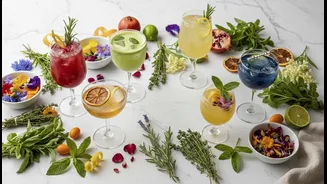
The term 'craft mixer' itself signifies a departure from the ordinary. These mixers are typically made in small batches with natural ingredients, offering nuanced and sophisticated flavour profiles. For café owners, they offer several advantages. They provide a versatile base for creating a range of signature non-alcoholic drinks, or 'mocktails', which command higher price points and better margins than standard soft drinks. This is crucial in a competitive market where atmosphere and innovation are key differentiators. For customers, especially younger ones, craft beverages offer a sense of discovery and a premium experience, even without alcohol. The growing 'sober curious' movement also plays a role, with more people seeking interesting alcohol-free options when socialising.
Made for the Social Media Age
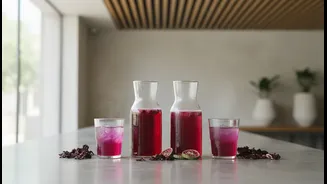
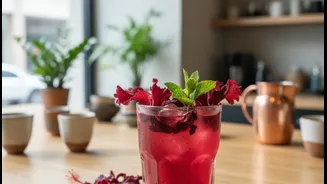
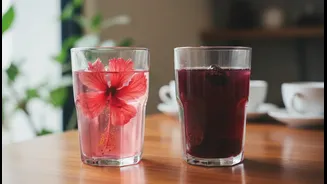
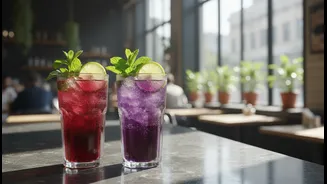
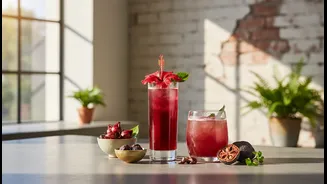
In the age of Instagram, aesthetics are as important as taste. The deep, ruby-red colour of a hibiscus-based drink is visually striking and highly photogenic. A beautifully presented kokum cooler with a sprig of mint makes for an irresistible social media post. Café culture has always been about the experience, and today, that experience is shared online. These colourful, artisanal drinks are perfectly suited for a visual world, acting as their own marketing tool as they populate social media feeds. This visual appeal, combined with the promise of unique flavours and health benefits, creates a powerful combination that keeps customers coming back and sharing their discoveries.