

The Monsoon's Cleansing Retreat
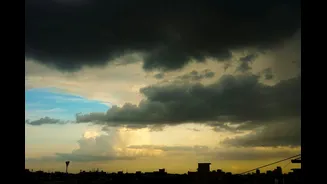
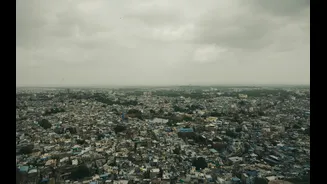
Throughout the rainy season, precipitation plays a vital role in cleaning the atmosphere, washing away dust and pollutants. This natural cleansing process gives cities a much-needed respiratory break. However, as the monsoon withdraws in late September
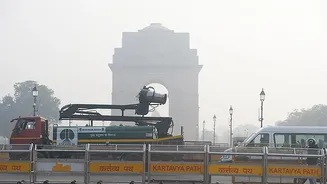
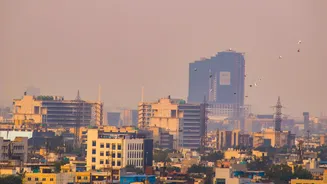
and early October, this effect vanishes. The air becomes stagnant, setting the stage for pollutants to accumulate. Weaker winds and the absence of rain mean that particles released into the air have nowhere to go, lingering near the ground where people breathe. This transition is already being observed, with air quality in cities like Delhi and Mumbai beginning to dip from 'good' or 'satisfactory' to 'moderate' levels in the first week of October.
An Agricultural Dilemma
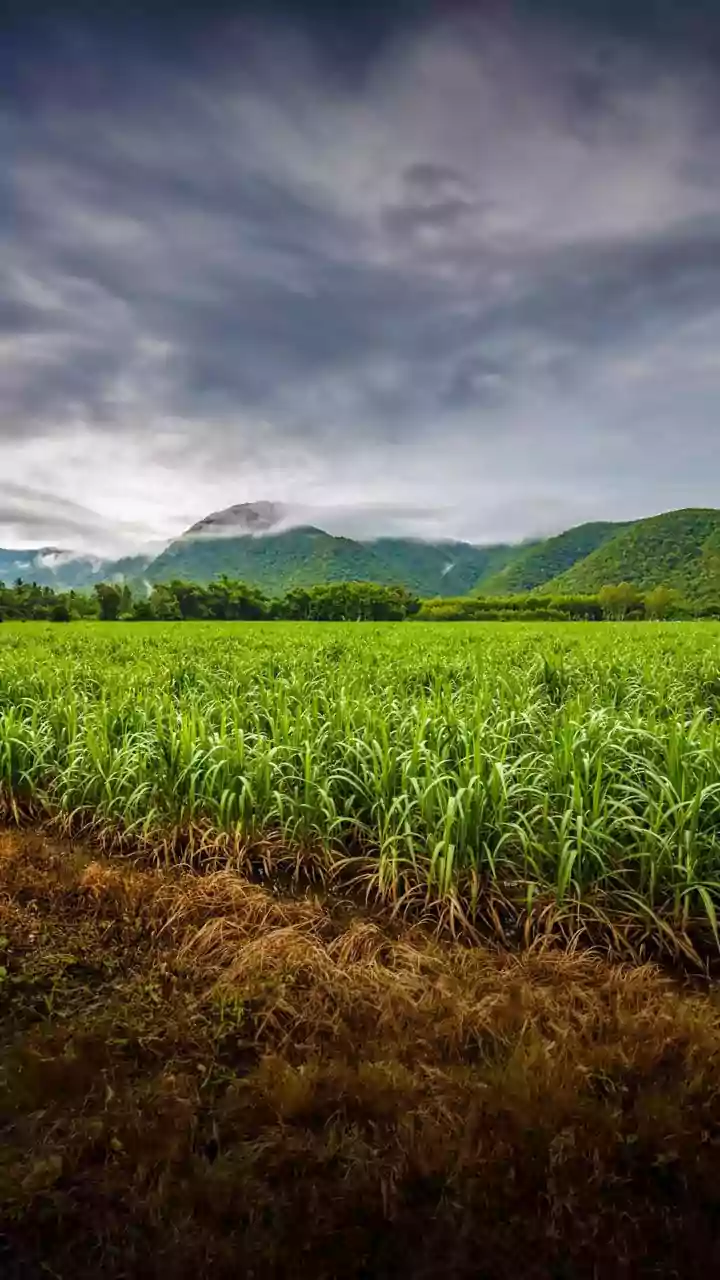
A major contributor to the sharp decline in air quality is the practice of stubble burning in the agricultural heartlands of Punjab, Haryana, and western Uttar Pradesh. After harvesting their rice crops, farmers are left with vast quantities of residue. Burning this stubble is the quickest and cheapest way to clear the fields for the next crop, typically wheat. This practice, which begins in earnest in October, releases enormous plumes of smoke containing harmful particulate matter (PM2.5 and PM10), carbon monoxide, and other toxins. Prevailing north-westerly winds then carry this smoke across the Indo-Gangetic Plain, blanketing cities hundreds of kilometres away, including the National Capital Region (NCR), in a thick, hazardous smog. Studies have shown this can contribute up to 40% of Delhi's particulate pollution during peak periods.
A Cap on the Capital
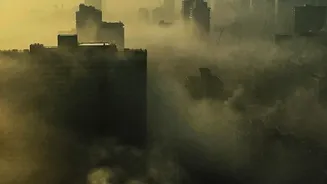
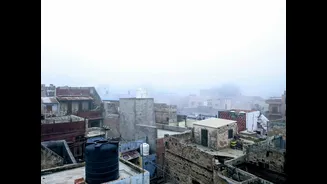
The problem is compounded by a meteorological phenomenon known as temperature inversion. During autumn and winter, the ground cools down faster at night, making the air near the surface colder and denser than the air above it. This warmer layer of air acts like a lid, trapping the colder, polluted air below and preventing it from dispersing. This effect is particularly pronounced in the Indo-Gangetic Plain, whose unique geography, flanked by the Himalayas, can lead to air stagnation. Slower wind speeds common during this season further exacerbate the situation, ensuring that pollutants from farm fires, vehicles, and industries remain concentrated at ground level for extended periods.
The Urban and Festive Factor
On top of the smoke from farm fires, cities contend with their own significant sources of baseline pollution. Emissions from millions of vehicles, dust from widespread construction activities, and industrial output continuously foul the air. This chronic pollution is intensified by episodic events, most notably the festive season. The burning of firecrackers during Dussehra and Diwali, which in 2026 falls in late October, releases a huge volume of pollutants over a very short period, causing air quality to plummet to 'severe' or 'hazardous' levels almost overnight. This combination of agricultural, meteorological, and urban factors creates a perfect storm for an air quality crisis.
A Public Health Emergency
The health consequences of this annual pollution spike are severe. Exposure to high levels of PM2.5 can cause immediate issues like coughing, wheezing, and irritation of the eyes and throat. For vulnerable populations, including children, the elderly, and those with pre-existing respiratory conditions like asthma or COPD, the risks are far greater, often leading to severe attacks and hospitalisation. Long-term exposure is linked to a host of chronic diseases, including heart disease, stroke, lung cancer, and reduced life expectancy. Health experts consistently warn that the post-monsoon period triggers a public health emergency that demands both immediate precautions and long-term solutions.
The Graded Response Plan
In anticipation of the deteriorating air quality, authorities in the NCR, led by the Commission for Air Quality Management (CAQM), have prepared a Graded Response Action Plan (GRAP). This plan outlines a series of emergency measures that are implemented progressively as the air quality worsens, moving through four stages from 'poor' to 'severe plus'. Measures can include banning certain vehicles, halting construction activities, closing schools, and advising work-from-home arrangements. For 2026, the CAQM has revised the GRAP framework, introducing some restrictions earlier and extending their reach to more districts in the NCR in an effort to be more proactive.