






What's Actually Changing with Visas?
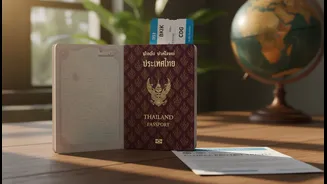
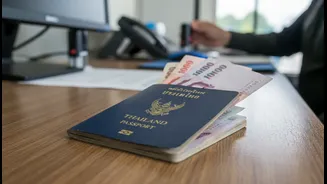
Let’s get straight to the point. After some uncertainty, the Thai government has confirmed that visa-free entry for Indian passport holders will continue. This is great news for spontaneous trips. The main change is the duration of stay: the visa-free period
has been reduced from 60 days to 30 days. This decision came after a proposal in May to scrap the 60-day scheme caused confusion and a drop in tourist bookings from India. In response, Thai authorities decided to keep the visa exemption but shorten the stay to align with what they say are typical travel patterns for most Indian tourists, who often visit for 7 to 10 days. So, for most holidaymakers planning a standard one or two-week trip, nothing much has changed besides the maximum limit. Those planning longer stays will now need to apply for an appropriate visa beforehand.
Does a Shorter Stay Mean Higher Costs?
Not at all. The change in visa duration has no direct impact on the day-to-day cost of your trip. Thailand’s reputation for affordability is built on the low cost of food, accommodation, and local transport, and that hasn't changed. Your daily expenses will still be determined by your travel style, not the stamp in your passport. A shorter maximum stay might even encourage travellers to be more efficient with their planning, but it doesn’t make the pad thai, tuk-tuk rides, or hotel rooms any more expensive. The core value that has made Thailand a favourite destination for Indians remains firmly in place. The country continues to offer a fantastic combination of exotic experiences and budget-friendly options, from bustling city life in Bangkok to serene beaches in Krabi.
A Realistic Daily Budget for 2026
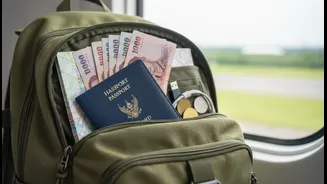
So, what does 'affordable' actually look like in 2026? A budget-conscious backpacker can comfortably manage on ₹2,000–₹2,500 per day. This would cover a hostel bed, street food meals, and public transport. For a more mid-range experience—think private rooms in guesthouses, a mix of street food and restaurant dining, and a few Grab rides—a daily budget of ₹3,500–₹6,500 is a realistic target. Luxury travellers, of course, can spend much more, with high-end resorts and fine dining available. The key is that Thailand provides excellent options at every price point. Keep in mind that northern destinations like Chiang Mai are generally cheaper than the southern islands like Phuket, where costs can be 20-40% higher.
Tips for Keeping Your Trip Affordable
Even with the favourable exchange rate, smart planning can stretch your money further. Eating like a local is the number one rule for saving cash; street food stalls and local eateries offer delicious and authentic meals for as little as ₹150-₹300. For transport, use Bangkok’s efficient BTS Skytrain and MRT systems, and consider overnight trains or buses for long-distance travel, which saves on a night's accommodation. When it comes to activities, balance paid attractions with free ones. Exploring temples, parks, and local markets costs very little. For island hopping or tours, it's often cheaper to book directly with local operators in person rather than online in advance, though pre-booking can help with budgeting. Finally, travel during the shoulder seasons (April-May and October-November) to find lower prices on flights and hotels before the peak season rush.