


Embrace the magic of seasonal Indian desserts with Sitaphal Phirni. This creamy, fragrant rice pudding, infused with fresh custard apple, is a festive treat that is surprisingly simple to master in your own kitchen.
The Foundation: Rice and Milk
The heart of any good phirni is its
creamy base, which comes from the perfect combination of rice and milk. Traditionally, fragrant Basmati rice is used, as its natural aroma complements the dessert beautifully. However, any non-sticky, short-grain white rice will also work. The key is to soak the rice for at least 30 minutes, drain it, and then grind it into a coarse, grainy paste, not a fine powder. This texture is crucial; it’s what distinguishes phirni from kheer, allowing the rice to dissolve just enough to thicken the milk into a velvety pudding. For the milk, always opt for full-fat. Its richness is non-negotiable for achieving that signature decadent and creamy consistency that makes phirni so beloved.
The Star Ingredient: Fresh Sitaphal
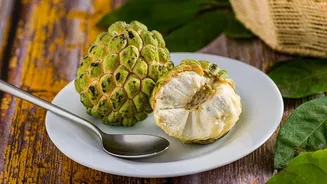
Sitaphal, or custard apple, is what elevates this dish from a simple rice pudding to a seasonal delicacy. When selecting your fruit, look for one that is soft to the touch, indicating it's ripe and sweet. The most labour-intensive part of this recipe is preparing the fruit. You'll need to carefully break it open, scoop out the flesh, and meticulously separate the black seeds from the creamy pulp. Some find it easier to lightly pulse the flesh in a blender for a few seconds to help loosen the seeds. The resulting pulp is the star of the show. It's important to add the sitaphal pulp only after the phirni has been cooked and has cooled down slightly. Cooking the delicate fruit pulp can alter its flavour and texture, so stirring it in at the end preserves its fresh, unique sweetness.
Sweetness and Aromatics
Sugar is the primary sweetener, but the amount should be adjusted based on the natural sweetness of your sitaphal. It's best to add the sugar while the rice and milk mixture is still cooking to ensure it dissolves completely. The soul of the phirni, however, comes from its aromatics. Ground green cardamom (elaichi) is essential, lending a warm, fragrant spice that pairs perfectly with the milky base. For an added layer of luxury and a beautiful golden hue, a few strands of saffron (kesar) can be soaked in a tablespoon of warm milk and added during the cooking process. A splash of rose water, stirred in at the very end after the heat is off, can also provide a delightful floral note that enhances the overall fragrance.
Putting It All Together: The Method
Begin by bringing the full-fat milk to a boil in a heavy-bottomed pan to prevent scorching. Once it's boiling, reduce the heat and add the coarse rice paste, stirring continuously to prevent any lumps from forming. This constant stirring is vital. Cook this mixture on a low, slow flame, allowing the rice to cook through and the milk to reduce and thicken. This can take 15–20 minutes. You'll know it's ready when it has a thick but still pourable, creamy consistency. Remember, the phirni will thicken significantly as it cools. Once it has reached this stage, stir in the sugar and dissolved saffron milk, cooking for a few more minutes. Turn off the heat and let it cool slightly before gently folding in the sitaphal pulp, cardamom powder, and rose water.
Garnish and Serving
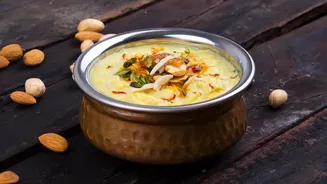
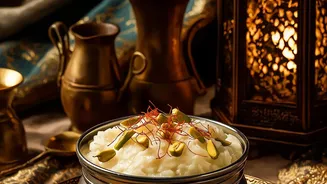
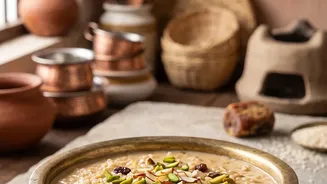
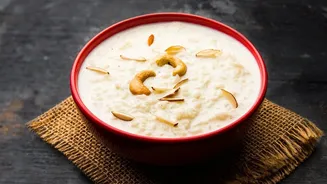
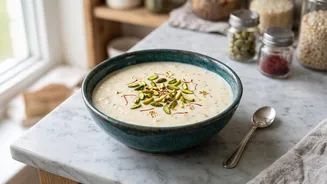
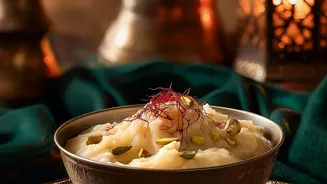
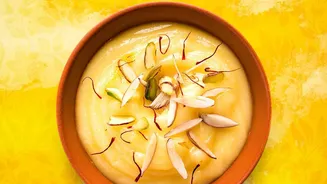
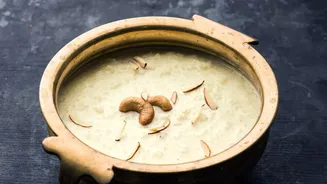
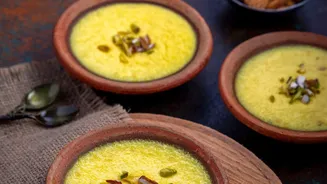
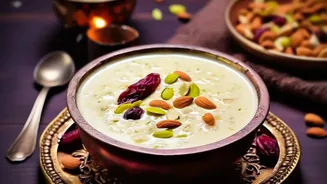
A garnish adds the final touch of texture and visual appeal. Finely slivered or chopped nuts like pistachios and almonds are the classic choice, providing a welcome crunch against the smooth pudding. For the most authentic experience, phirni is traditionally poured into small, unglazed earthen bowls called 'shikoras' or 'matkas' while still warm. These porous clay bowls absorb excess moisture, helping the phirni to set to a perfect, scoopable consistency and imparting a subtle, pleasant earthy aroma. The phirni should then be chilled in the refrigerator for at least a few hours, as it is always best served cold. Garnish with the chopped nuts and perhaps a few strands of saffron just before serving for a stunning presentation.