



Woollen clothes are a cosy staple in any Indian wardrobe, but the fear of a favourite sweater shrinking or losing its shape is real. Proper care is the secret to making them last for years, preserving their softness and fit. Here’s how.
The Golden Rule: Wash Less, Air More
The most important
principle of wool care is to wash your garments as little as possible. Wool is a natural fibre with antimicrobial and odour-resistant properties, meaning it stays fresh much longer than cotton or synthetic fabrics. After wearing a wool sweater, simply airing it out for a day is often enough to refresh it. This approach does more than save time; it preserves the natural lanolin in the fibres, which is responsible for wool's softness and durability. For most jumpers and cardigans worn over another layer, washing after 5-10 wears is plenty. If you get a small spot or spill, spot-clean the area gently with a damp cloth instead of washing the entire garment.
The Gentle Wash: Hand or Machine?
When your woollens do need a full wash, gentleness is key. Hand washing is the safest method. Fill a basin with cool or lukewarm water—never hot, as heat causes shrinking and felting. Use a mild detergent specifically designed for wool. Submerge the garment, swish it gently for a few minutes, and let it soak for about 10 minutes. Avoid any harsh rubbing or twisting. Rinse with clean, cool water until the soap is gone. If your garment's care label says it's machine washable, you can use a washer, but with caution. Always turn the garment inside out, place it in a mesh laundry bag for protection, and use the 'wool' or 'delicate' cycle with cold water and a low spin speed.
Drying: The Most Critical Step
How you dry wool is just as important as how you wash it. Never, ever hang a wet wool garment to dry. The weight of the water will stretch the fibres, permanently ruining the shape and fit. Also, avoid the tumble dryer, as the heat and agitation will cause irreversible shrinkage. The correct method is to first remove excess water. Gently squeeze—don't wring—the water out. Then, lay the garment flat on a clean, dry towel. Roll the towel and sweater together like a spring roll and press firmly to absorb more moisture. Finally, unroll it and lay the garment flat on a fresh, dry towel or a mesh drying rack away from direct sunlight or heat. Gently pat and adjust the garment back into its original shape and let it air dry completely.
Smart Storage: Fold, Don't Hang
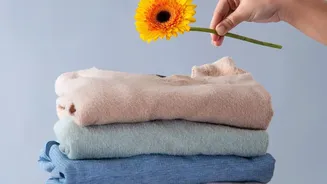
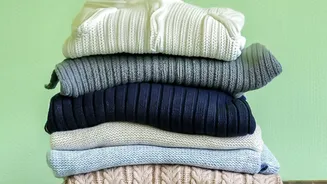
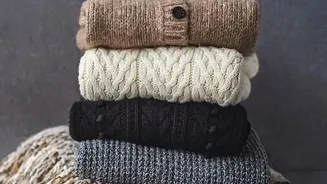
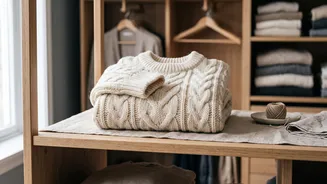
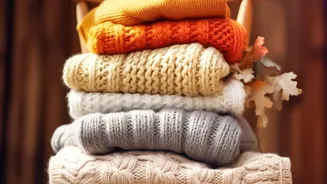
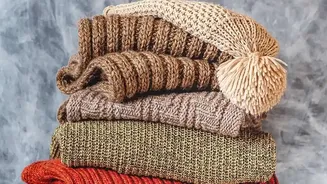
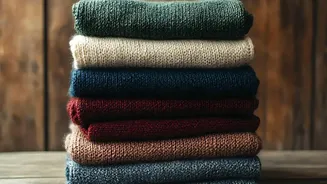
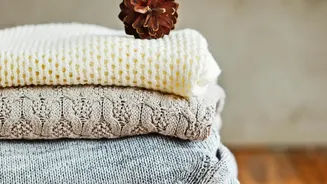
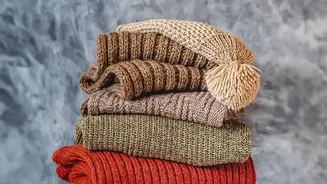
Proper storage is essential for maintaining the shape of your knitted clothes. The number one rule is to always fold your jumpers and cardigans. Storing them on hangers, especially heavy ones, will cause the shoulders to stretch and develop bumps. Fold them neatly and store them in a drawer or on a shelf. Avoid stacking too many on top of each other, as the weight can crush the fibres of the ones at the bottom. Before storing them away for the season, make sure they are completely clean, as body oils and food particles can attract pests like moths. For longterm storage, use breathable cotton bags and consider adding natural moth repellents like cedar balls or dried lavender sachets.
Dealing With Pills and Snags
Pilling—those tiny fuzzballs that appear on the surface—is a natural occurrence with wool, especially in areas of high friction like under the arms. It doesn't mean your sweater is poor quality. The best way to remove them is with a fabric shaver or a specialised wool comb. Glide it gently over the surface to shave off the pills without damaging the fabric. Removing them by hand is also an option for minor pilling. Some experts even suggest carefully snipping them off with small scissors. If you get a snag, don't cut it. Instead, use a needle or a small crochet hook to gently pull the snagged loop through to the inside of the garment to hide it.