







Why Fabric Choice Is Crucial
During the monsoon, humidity levels in many Indian cities can soar above 80-90%. This excess moisture in the air is readily absorbed by textiles, creating an ideal breeding ground for mould and mildew. Heavy fabrics like thick cotton, velvet, and dense
polyester blends can take hours or even days to dry completely, trapping moisture and developing a persistent musty smell. This affects not just cushions but also curtains, bedsheets, and rugs, making your entire living space feel perpetually damp. The right fabric choice is your first line of defence against this seasonal challenge, ensuring your home remains fresh, airy, and healthy.
The Best Fabrics for a Fresh Monsoon Home
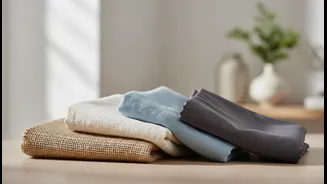
When it comes to monsoon-friendly decor, the golden rule is to choose materials that are lightweight, breathable, and quick-drying. Cotton is a top contender; its natural fibres allow air to circulate and it absorbs moisture without feeling overly damp. Look for lighter weaves like voile or percale for bedsheets and sheer cotton for curtains, which dry fast and let in light on overcast days. Linen is another excellent choice, prized for its exceptional breathability and ability to wick away moisture and dry even faster than cotton. While it wrinkles easily, a cotton-linen blend can offer the best of both worlds. For a touch of elegance, Chanderi—a cotton-silk blend—is a great option for festive occasions as it’s lightweight and breathable.
Synthetics: A Tale of Two Materials
While natural fibres are often recommended, not all synthetics should be dismissed. Nylon and some polyester blends can be surprisingly effective. These materials are water-resistant and dry very quickly, making them suitable for items like outdoor cushion covers or areas near windows that might get splashed with rain. However, it's crucial to distinguish between different types of synthetics. Cheap, heavy polyester traps heat and sweat, feeling sticky and uncomfortable in high humidity. If you opt for synthetics, choose lightweight, open-weave options often found in performance wear, as they are specifically engineered for moisture management.
Fabrics to Avoid or Use Sparingly
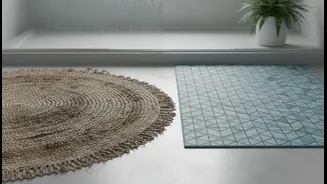
Certain fabrics are simply not suited for the high humidity of the monsoon. Heavy, plush materials like velvet, corduroy, and thick wool should be avoided for primary furnishings. They act like sponges, absorbing ambient moisture and becoming difficult to dry, which leads to mould growth and unpleasant odours. Heavy jacquard weaves and thick carpets are also problematic. It's best to roll up and store wool or shag rugs during the rainy season. If you love these luxurious textures, use them for small, easily removable accents like a single throw pillow that can be aired out frequently.
Beyond Fabric: Smart Monsoon Care
Choosing the right material is only half the battle. Proper care is essential to keep your home feeling fresh. Ensure good ventilation by opening windows when it isn't raining and using fans to keep air circulating, which helps prevent mould. Wash home textiles like cushion covers and bedsheets more frequently during this season. When storing textiles, make sure they are completely dry to prevent mildew from forming in your cupboards. Storing them in breathable cotton bags with silica gel packets or camphor can help absorb any residual moisture and keep insects at bay. Placing natural moisture absorbers like bowls of rock salt or activated charcoal in damp corners can also help reduce overall humidity in a room.