






A Hug in a Bowl
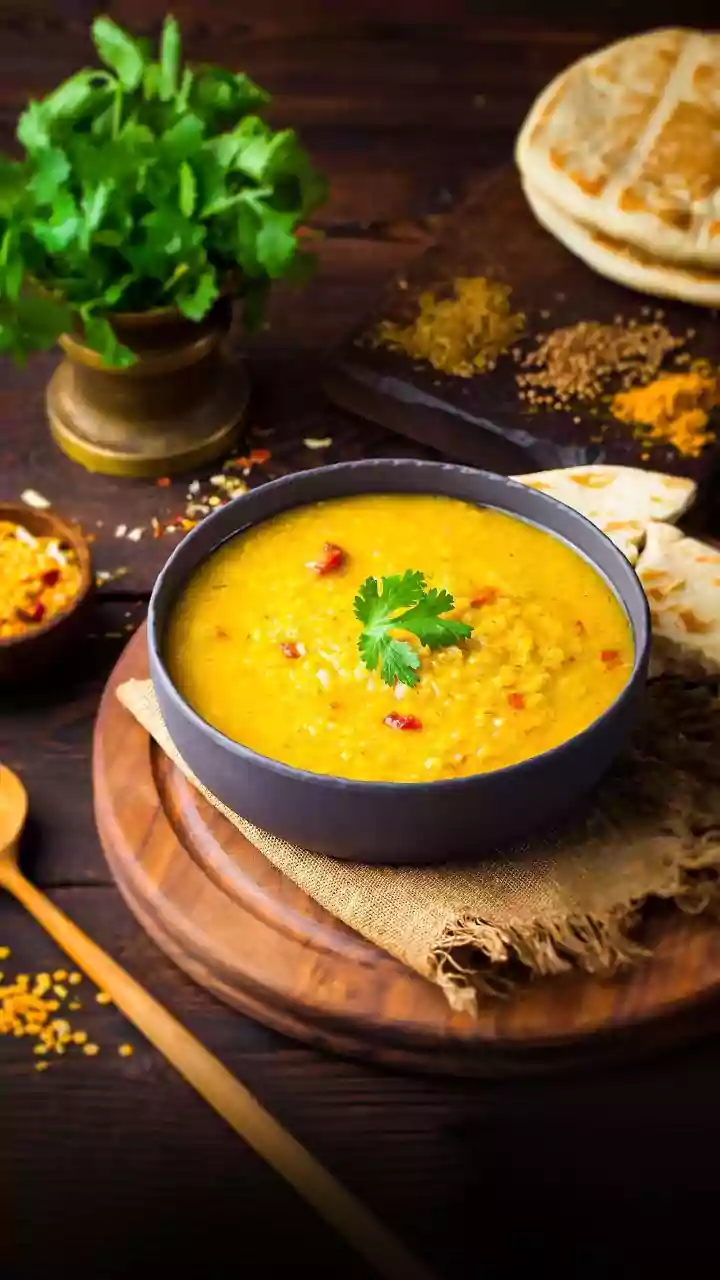
Rasam is a thin, soup-like broth that holds a cherished place in South Indian cuisine. Its name translates to 'juice' or 'essence', and it's known for its distinctive tangy and spicy flavour profile, traditionally served with rice or sipped on its own as a starter.
More than just a dish, pepper rasam is a go-to home remedy, especially during the flu season or on a chilly, rainy day. Its power lies in a potent combination of spices long valued in traditional medicine for their ability to soothe, warm, and restore. The peppery, aromatic steam alone is enough to help clear a stuffy nose, while the broth itself is light and easy to digest, making it perfect for when appetite is low.
The Power of the Pod
The magic of pepper rasam comes from its core ingredients, each chosen for both flavour and function. The star, of course, is black pepper, or 'milagu'. Traditionally, it's used to ease congestion and has anti-inflammatory properties. It’s supported by cumin, which aids digestion, and garlic, known for its immunity-boosting qualities. Tamarind provides the signature tangy base, which is not just for taste; it's a source of antioxidants and helps balance the dish. Many recipes also include turmeric for its anti-inflammatory and antimicrobial benefits, and a tempering of mustard seeds and curry leaves in ghee, which adds a final layer of aromatic comfort. This blend of spices is what makes rasam more than a soup—it's a form of liquid wellness.
Authentic Pepper Rasam Recipe
This recipe captures the authentic taste of a homemade milagu rasam. The key is using freshly crushed spices for the most potent aroma and flavour.For the Spice Paste: 1.5 tsp black peppercorns 1.5 tsp cumin seeds 4-5 cloves of garlic, peeledFor the Rasam: 1 small lemon-sized ball of tamarind (or 1 tbsp tamarind paste) 1 ripe tomato, chopped 1/4 tsp turmeric powder A pinch of asafoetida (hing) A few curry leaves Salt to taste 4 cups of water 1 tbsp chopped coriander leavesFor Tempering (Tadka): 1 tsp ghee or oil 1/2 tsp mustard seeds 1 dried red chilli, brokenInstructions:1. Begin by coarsely crushing the peppercorns, cumin seeds, and garlic cloves in a mortar and pestle or a small spice grinder. Set this fresh spice paste aside.2. Soak the tamarind in 1/2 cup of warm water for about 10 minutes. Squeeze the pulp to extract the juice, then strain it into a pot. Discard the solids.3. To the pot with the tamarind extract, add the chopped tomato, turmeric powder, asafoetida, curry leaves, and salt. Add the rest of the water (about 3.5 cups).4. Bring the mixture to a boil and let it simmer for about 10-15 minutes, allowing the raw smell of the tamarind to cook off.5. Add the ground spice paste to the pot. Let it simmer gently for another 5 minutes. Avoid boiling it vigorously at this stage, as it can diminish the aroma of the spices.6. Prepare the tempering by heating ghee in a small pan. Add the mustard seeds and wait for them to splutter. Then add the broken red chilli and sizzle for a few seconds. Pour this tempering into the rasam.7. Finally, stir in the fresh coriander leaves and turn off the heat.
How to Enjoy Your Rasam
Pepper rasam is wonderfully versatile. For a truly comforting experience when you're feeling unwell, sip it slowly from a tumbler or a small bowl, letting the warm, spicy broth soothe your throat. The peppery vapour can feel incredibly relieving for nasal congestion. The most traditional way to enjoy it is poured over a mound of hot, steamed rice, perhaps with a dollop of ghee to enrich it further. It's a light meal that delivers immense flavour and comfort without feeling heavy. It acts as a digestive aid, often served toward the end of a larger meal to help settle the stomach.