


The Spark and the Rebel League
The genesis of the Indian Premier League (IPL) was not just an idea, but a reaction. In mid-2007, the Essel Group, led by Subhash Chandra, launched the Indian Cricket League (ICL). This was a direct challenge to the Board of Control for Cricket in India (BCCI),
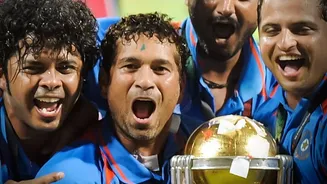
operating without its sanction. The BCCI, fearing a loss of control and talent, deemed the ICL a 'rebel' league and banned associated players from official cricket. This move created a crisis but also an opportunity. Simultaneously, India’s unexpected victory at the inaugural T20 World Cup in September 2007 ignited the nation's passion for the fast-paced, 20-over format, proving its immense commercial potential.
The Architect and His Vision
Enter Lalit Modi, then a vice-president at the BCCI. Inspired by the franchise-based models of American sports leagues like the NBA and NFL, Modi had envisioned a similar city-based cricket tournament as early as the 1990s, though his initial proposal was rejected. The dual pressures of the ICL's threat and T20's soaring popularity gave his idea a new urgency. Modi pitched a revamped, high-octane T20 league to the BCCI, framing it not just as a sporting event but as a grand fusion of cricket, business, and entertainment—a product designed for primetime television and a new generation of fans. The board, seeing a way to counter the ICL and capitalize on the T20 wave, gave him the green light.
Building the Blueprint
Modi’s plan was audacious. The league would be built around eight city-based franchises owned by private entities. On January 24, 2008, an auction for these franchises was held, fetching a staggering $723.59 million, far exceeding the base price. This brought heavyweight corporate players like Mukesh Ambani's Reliance Industries (Mumbai Indians) and Vijay Mallya's United Breweries (Royal Challengers Bangalore) into the fold. Crucially, it also attracted Bollywood glamour, with Shah Rukh Khan and Juhi Chawla buying the Kolkata franchise and Preity Zinta co-owning the Mohali team, instantly generating massive public interest. This mix of industry titans and film stars gave the league an unprecedented level of credibility and allure before a single ball was bowled.
The Spectacle of the Player Auction
The next masterstroke was the player auction, held on February 20, 2008. For the first time, cricketers from around the world were put up for bids in a televised event, turning player signings into a dramatic spectacle. Fresh off his T20 World Cup win, Mahendra Singh Dhoni became the most expensive player, secured by Chennai Super Kings for a then-astronomical $1.5 million. Australian all-rounder Andrew Symonds was the priciest foreign player. To ensure local flavour, top Indian stars like Sachin Tendulkar, Sourav Ganguly, and Rahul Dravid were designated 'icon players', automatically assigned to their home city teams. The auction created intense buzz, building team identities and rivalries overnight while demonstrating the league's serious financial muscle.
An Explosive Premiere
Despite skepticism from cricket purists who decried the commercialism and flashy presentation, the IPL launched on April 18, 2008. The opening match between the Shah Rukh Khan-owned Kolkata Knight Riders and Vijay Mallya's Royal Challengers Bangalore was a litmus test for the entire concept. Any doubts about the league's 'cricketainment' model were obliterated in a few hours. KKR's opener, New Zealand's Brendon McCullum, played one of the most destructive innings in T20 history, smashing an unbeaten 158 off just 73 balls. His onslaught of 10 fours and 13 sixes perfectly encapsulated the explosive, high-energy product the IPL had promised to deliver, setting a spectacular tone for the tournament. RCB were subsequently bowled out for just 82, handing KKR a massive 140-run victory.