




The New Green on the Menu
For decades, the Indian cafe experience was defined by a familiar roster: cappuccinos, lattes, masala chai, and perhaps an iced tea. But a quiet revolution is brewing. Spurred by a growing wellness culture and the social media appeal of colourful drinks,
a new category of beverages is finding a prominent place on menu boards in cities like Mumbai, Bengaluru, and Delhi. At the forefront of this shift are two potent green powders: matcha, the ceremonial Japanese tea, and moringa, the homegrown 'miracle' leaf. These aren't just new flavours; they represent a move towards 'intentional sipping', where customers seek drinks that offer health benefits and a unique story.
Unpacking Matcha: The Zen Brew
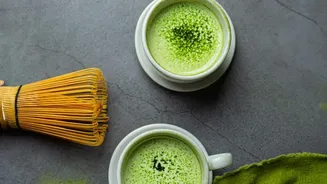
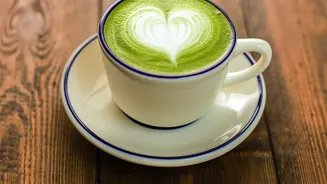
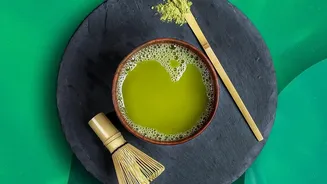
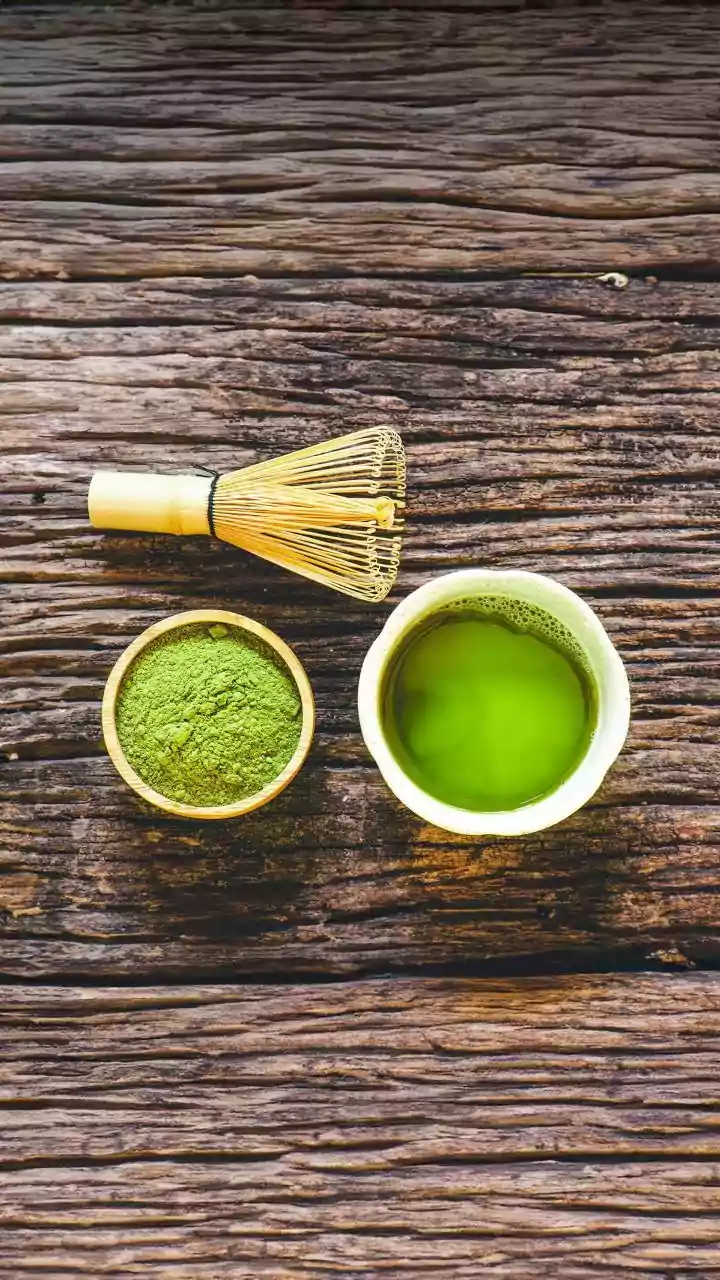
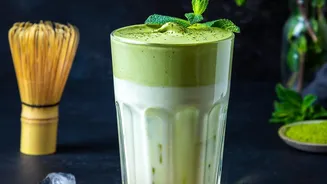
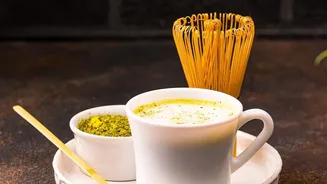
Matcha is a finely ground powder of specially grown and processed green tea leaves, traditionally used in Japanese tea ceremonies. Unlike regular green tea, where leaves are steeped and discarded, with matcha you consume the entire leaf, resulting in a higher concentration of caffeine and antioxidants. Its preparation is a ritual in itself, involving whisking the powder with hot water into a frothy consistency before adding steamed milk for a latte. The flavour is complex and distinct—earthy, slightly sweet, with a savoury 'umami' note that sets it apart from other teas. Fans praise its ability to provide a state of 'calm alertness', thanks to an amino acid called L-theanine, which counteracts the jittery effects of caffeine.
Moringa: The Homegrown Hero
While matcha brings a touch of global sophistication, moringa offers a powerful local alternative. Derived from the leaves of the drumstick tree (Moringa oleifera), which is native to the Indian subcontinent, moringa has been a staple in Ayurvedic medicine for centuries. Often called the 'Indian matcha', its powder boasts an impressive nutritional profile, rich in vitamins, iron, calcium, and all nine essential amino acids. As a beverage, it's entirely caffeine-free, making it an excellent evening or anytime wellness drink. Its flavour is more herbaceous and earthy than matcha, often compared to spinach or freshly cut grass. Cafes are using its superfood credentials to attract health-conscious patrons looking for a uniquely Indian functional beverage.
A Sip of Conscious Wellness
The popularity of these green brews is deeply tied to a global shift towards preventive health. Consumers, particularly millennials and Gen Z, are increasingly looking for functional foods that do more than just taste good. Matcha is celebrated for its high levels of antioxidants called catechins, which are believed to help reduce inflammation and protect against cell damage. Moringa, on the other hand, is hailed as a nutritional powerhouse, known for its anti-inflammatory properties and ability to boost immunity. Drinking a moringa or matcha latte feels like an act of self-care, a small, accessible luxury that aligns with modern wellness goals.
More Than Just a Health Fad
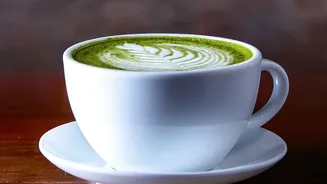
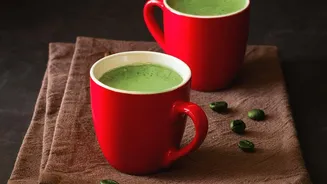
While the health benefits are a major draw, they don't tell the whole story. The aesthetic appeal of these drinks is undeniable. A vibrant, frothy green latte is highly 'Instagrammable', and its visual appeal plays a significant role in its spread through social media. For many, ordering a matcha or moringa drink is also a statement. It signals an awareness of global trends and a commitment to a modern, health-forward lifestyle. This cultural cachet, combined with the novelty factor, has helped these drinks move from niche health stores to the mainstream menus of popular coffee chains like Blue Tokai and Third Wave Coffee.
The Cafe Experience Transformed
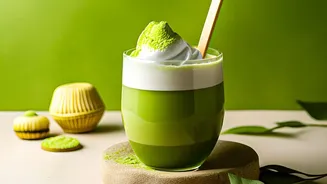
The introduction of matcha and moringa is pushing cafes to innovate. Establishments are moving beyond simple lattes to offer creative concoctions like white chocolate matcha, coconut water matcha coolers, and moringa-infused smoothies. Some are even incorporating the powders into desserts like tiramisu and cheesecake. This trend also impacts pricing; these superfood beverages often command a premium, positioning them as a craft product similar to specialty single-origin coffee. This evolution shows that the cafe is no longer just a place for a quick caffeine fix but a destination for flavour exploration and lifestyle experiences.