



The Philosophy of the Trail
In a world obsessed with constant connectivity, the Kingdom of Bhutan offers a radical alternative: disconnection by design. Nestled in the Eastern Himalayas, this unique nation famously measures its progress not by Gross Domestic Product, but by Gross National
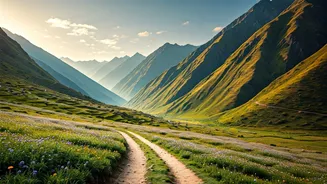
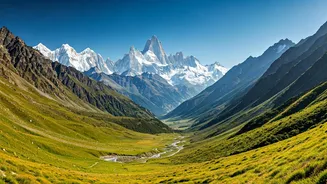
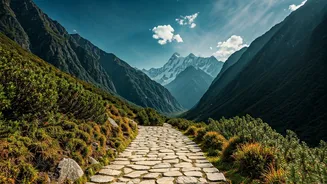
Happiness (GNH). This philosophy permeates every aspect of life, including its approach to tourism. It’s not just about seeing the sights; it’s about preserving a way of life and a pristine environment. For travellers, this translates into an experience that is intentional, mindful, and deeply immersive. The mountain trails of Bhutan aren't just pathways from one point to another; they are corridors through a living culture, designed to foster a connection with nature and self, far from the ping of a notification.
More Than Just a Hike
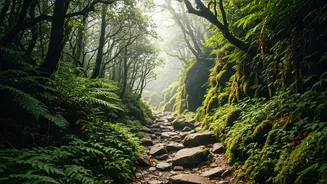
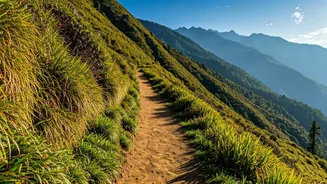
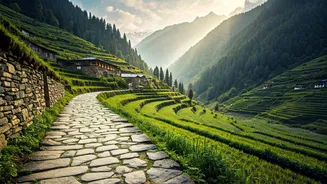
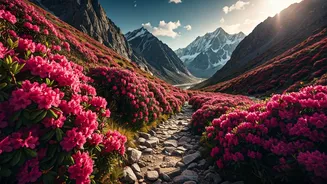
What sets a Bhutanese trek apart is its deep cultural integration. These are not sterile, signposted routes for sport. They are ancient pathways that have connected remote communities, fortresses (dzongs), and monasteries for centuries. A prime example is the revived Trans Bhutan Trail, a 403-kilometre path that snakes its way across the country. Walking it, or even a small section of it, is like stepping through history. Trekkers pass through dense rhododendron forests, cross suspension bridges adorned with colourful flags, and stop in villages where life moves at an unhurried pace. Your guide won’t just point out peaks; they’ll share stories of Guru Rinpoche, explain the symbolism of a chorten, and facilitate genuine interactions with local people. The physical journey becomes a spiritual and educational one, offering context and meaning to the stunning landscapes.
The Enforced Digital Detox
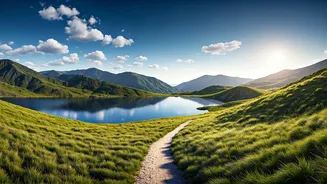
For many, the promise of a “digital detox” is a choice. In the remote mountains of Bhutan, it’s often a geographical reality. While main towns like Thimphu and Paro have internet and mobile service, connectivity becomes sparse to non-existent as you ascend into the high-altitude trails. This lack of signal is a feature, not a flaw. It forces you to be present. Instead of scrolling through a feed, you find yourself watching the clouds drift over a mountain pass. Instead of checking emails, you’re engaged in conversation with your guide or fellow travellers around a campfire. This enforced disconnection strips away the digital static, allowing your mind to quiet down. The withdrawal can be jarring at first, but it soon gives way to a profound sense of peace and heightened awareness of your surroundings. You start to notice the small things: the scent of pine, the taste of butter tea, the sound of a distant monastery horn.
A High-Value, Low-Impact Model
Bhutan’s exclusivity is part of its magic. The country follows a “High-Value, Low-Impact” tourism policy, which includes a mandatory Sustainable Development Fee (SDF) for most foreign visitors. While this makes a trip to Bhutan a significant investment, the fee directly funds the country’s free education and healthcare systems, infrastructure projects, and environmental conservation efforts. It ensures that the trails remain pristine, the culture is not diluted by over-tourism, and the economic benefits are distributed equitably. This model means you will never find crowded trails or overwhelmed villages. You are paying for a privileged and sustainable experience, contributing directly to the preservation of the very things you’ve come to see. It’s a powerful exchange that reframes tourism from a consumptive act to a regenerative one.
Preparing for the Journey
A trek in Bhutan requires planning. All tours must be booked through a licensed Bhutanese tour operator, who will handle your visa, accommodation, and itinerary. A guide is mandatory, which is a blessing—they are your cultural interpreters, logistical experts, and safety net. Treks range from easy three-day walks to strenuous 25-day expeditions like the legendary Snowman Trek, considered one of the toughest in the world. Regardless of the difficulty, a good level of physical fitness is essential to enjoy the experience, as most trekking involves significant altitude changes. The best seasons are during the spring (March-May) and autumn (September-November), when the weather is clear and the views are spectacular. Pack for all conditions, but most importantly, pack an open mind.