





The Classic Choice: Coconut Milk
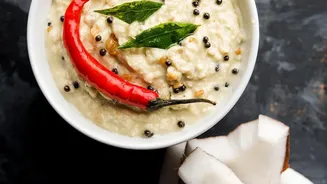
As the headline suggests, coconut milk is a superb and widely used dairy-free creamer, especially popular in South Indian cuisine. It imparts a subtle sweetness and a wonderfully rich consistency. For a truly decadent gravy, opt for full-fat coconut milk or even
coconut cream. These are made with a higher ratio of coconut flesh to water, resulting in a thicker, more luscious texture. Light coconut milk works well if you want the flavour without as much richness. A key tip is to add coconut milk towards the end of the cooking process and to avoid boiling it aggressively, which can cause it to split. It pairs beautifully with spices like turmeric, tamarind, and mustard seeds in vegetable or seafood curries.
The Power of Nuts: Cashew and Almond Pastes
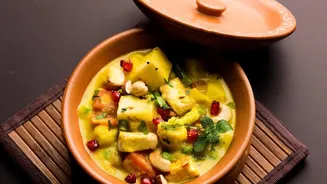
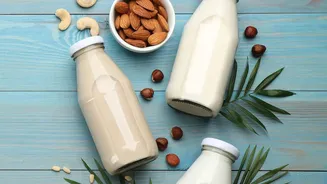
For a neutral-flavoured creaminess, especially in North Indian dishes like kormas, nut pastes are the traditional go-to. Cashew paste is the undisputed champion in this category. Soaking raw cashews in warm water for at least 30 minutes to an hour (or even overnight) before blending them creates an incredibly smooth, velvety paste that can replace dairy cream in almost any recipe. This 'cashew cream' provides body and richness without a strong flavour of its own, allowing the spices to shine. To make it, simply soak the nuts, drain them, and blend with a small amount of fresh water until you reach a consistency similar to heavy cream. Ground almonds can also be used to thicken and enrich gravies, often in combination with cashews.
Traditional Thickeners: Seed Pastes
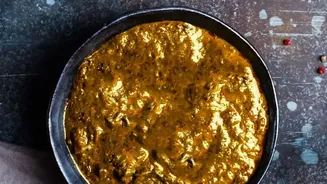
Venture into the secrets of traditional Indian kitchens with seed pastes. Poppy seeds (khus khus or posto) and melon seeds (magaz) are classic thickening agents that also add a subtle, nutty flavour and incredible richness. Poppy seeds are a staple in Bengali cuisine and are used to create a signature creamy texture in many dishes. Both types of seeds are typically soaked in water for about 30 minutes, then ground into a fine paste. This paste is then added to the curry base and cooked until the raw taste disappears, resulting in a thick, luxurious gravy that’s entirely plant-based. Often, these seeds are ground in combination with cashews, onions, and spices to create complex and flavourful curry bases.
A Different Kind of Creaminess: Vegetable and Lentil Purees
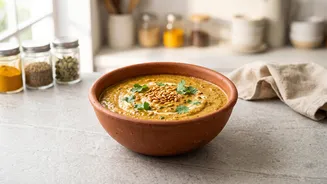
Don't underestimate the humble vegetable for creating body in a curry. A base of slow-cooked onions, cooked down until golden and sweet, provides a fantastic foundation for a rich gravy. Blending part of your cooked onion and tomato base is a simple trick to instantly thicken a sauce. For even more creaminess, pureed boiled potatoes or even cooked lentils (like red lentils or moong dal) can be stirred into a curry. They dissolve into the sauce, adding thickness and a satisfying earthiness without relying on fats. Another option is silken tofu; when blended, it creates a smooth, neutral-tasting cream that mimics the texture of yoghurt or cream perfectly.
Other Plant-Based Alternatives
The world of dairy-free cooking has expanded, offering convenient options. Unsweetened plant-based yoghurts made from soy or almond can be used, though it’s best to choose one with a neutral flavour so it doesn't overpower the curry. Similarly, oat cream can be a useful, mild-tasting substitute, though it can sometimes have a less traditional flavour profile in spice-heavy dishes. These alternatives are great in a pinch, but for the most authentic and richest results, the traditional methods using nuts, seeds, and coconut remain unparalleled.