

From Comfort Food to Fitness Fuel
A quiet revolution is happening in the refrigerated aisles of Indian supermarkets. Dairy, long considered a wholesome, calcium-rich staple, is being re-evaluated through a new lens. Today, a growing number of urban consumers see it not just as a part
of tradition, but as a functional tool for an active lifestyle. This shift is driven by a rising health consciousness, the influence of gym culture, and a desire for foods that do more than just fill the stomach. The conversation has moved beyond fat and calcium to macros and muscle repair. As a result, dairy is being transformed from a simple comfort food into a key component of a fitness-forward diet.
The Supermarket Shelf Makeover
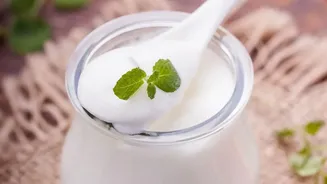
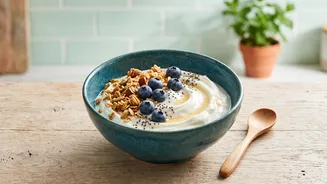
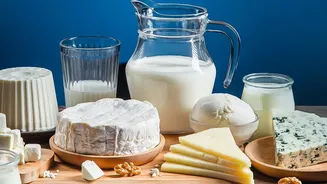
This new consumer mindset has led to a dramatic makeover of dairy product offerings. Shelves that once held only standard milk and curd now feature an array of 'high-protein' options. Greek yogurt, with its thick texture and higher protein content (often 2-3 times that of regular dahi), has become a mainstream product. Major dairy players like Amul and startups like Epigamia are locked in a battle for this growing market. Beyond yogurt, companies are launching protein-fortified milk, high-protein paneer, and even protein-enriched beverages like lassi and coffee. Brands like Milky Mist and Parag Milk Foods are investing heavily in new facilities to meet this demand, signaling that this is not a passing fad but a long-term strategic pivot.
Why Protein, Why Now?
Several factors are fueling India's protein obsession. Urbanisation and rising disposable incomes have given consumers the means and motivation to invest in their health. The explosion of social media and fitness influencers has made conversations about protein intake a part of daily life. Furthermore, there is a growing awareness that many traditional Indian diets, while rich in many nutrients, can be lacking in adequate protein. Quick commerce platforms like Swiggy Instamart have also played a crucial role, making these specialized products instantly accessible to urban households and reporting surges of over 150% in protein-related orders. This demand is no longer confined to metro cities; tier-2 and tier-3 cities are showing even faster growth, indicating a nationwide trend.
Traditional Dairy Gets a Modern Twist
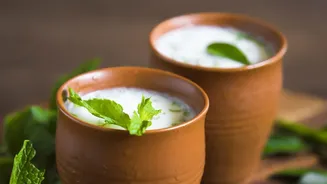
The protein trend isn't just about creating new products; it's also about rebranding familiar ones. Paneer, the quintessential Indian fresh cheese, is a prime example. Traditionally seen as an indulgent base for rich gravies, it's now being celebrated as a natural, whole-food source of high-quality protein, especially for vegetarians. A standard 100g serving of paneer can contain between 18 to 25 grams of protein. Brands are highlighting this attribute on packaging, and fitness enthusiasts now treat grilled paneer as a legitimate post-workout meal. Similarly, curd is being positioned not just for digestive health but as an affordable daily protein source, with companies like Heritage Foods launching specific 'High Protein Curd' variants.
Challenges and the Road Ahead
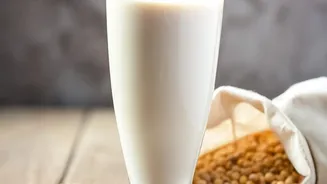
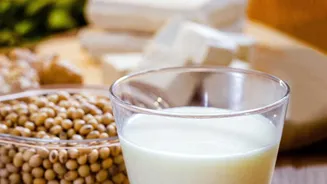
This transformation is not without its challenges. Dairy companies now compete not only with each other but also with a burgeoning market of plant-based protein alternatives, from soy and oat milk to pea protein supplements. To stay relevant, they must continue to innovate, focusing on value-added products that deliver on nutrition without compromising taste or convenience. This involves moving from being simple milk processors to becoming nutrition-focused food companies. The focus is shifting from the volume of milk collected to the value extracted from it. For the Indian consumer, this competition is a clear win, offering more choices than ever to meet their evolving health goals.