



A Shift from Feasting to Feeling Good
For generations, festive eating in India has been a no-holds-barred affair. Deep-fried savouries, sugar-syrup-soaked sweets, and ghee-laden dishes are central to celebrations like Diwali, Holi, and Eid. While the love for these traditional delicacies
remains strong, an increasing number of Indians are now approaching the festive table with a new perspective. The goal is no longer just to feast but to celebrate without the accompanying guilt or post-festival sluggishness. This shift is not about deprivation but about mindful indulgence and making smarter choices. It's a move towards enjoying the flavours of the season while still feeling energetic and well. Nutritionists and home cooks alike are championing the idea of balance, proving that festive food can be both celebratory and nourishing.
The Rise of Conscious Consumption
Several factors are driving this change. A greater awareness of lifestyle-related health conditions has made people more conscious of what they eat year-round, and festivals are no longer an exception. The post-pandemic wellness wave has also amplified the focus on immunity and overall health. Furthermore, social media is filled with chefs, nutritionists, and home cooks sharing innovative ways to give traditional recipes a healthy makeover. This has sparked a creative movement in kitchens across the country, where people are experimenting with new ingredients and cooking techniques. The conversation has moved from an all-or-nothing approach to a more sustainable and balanced mindset.
Old Traditions, New Twists
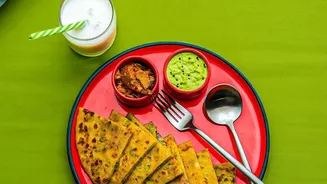
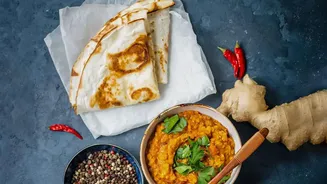
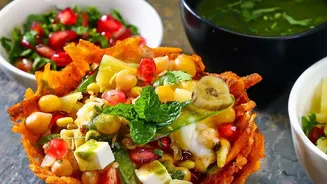
The most exciting part of this trend is the innovation it has inspired. Rather than abandoning beloved recipes, people are finding creative ways to make them lighter. Deep-frying is being replaced by baking and air-frying for snacks like samosas, chaklis, and gujiyas, which significantly reduces the fat content while retaining a satisfying crunch. Refined sugar is being swapped out for natural sweeteners like jaggery, dates, and figs in sweets like ladoos and barfis. There is also a major resurgence of ancient Indian grains. Millets such as ragi, jowar, and bajra, once considered forgotten foods, are now the stars of the festive spread. These nutrient-dense grains are being used to make everything from millet-based ladoos and kheer to savoury mathris and chaklis, adding fibre and essential minerals to traditional treats.
Mindful Indulgence is Key
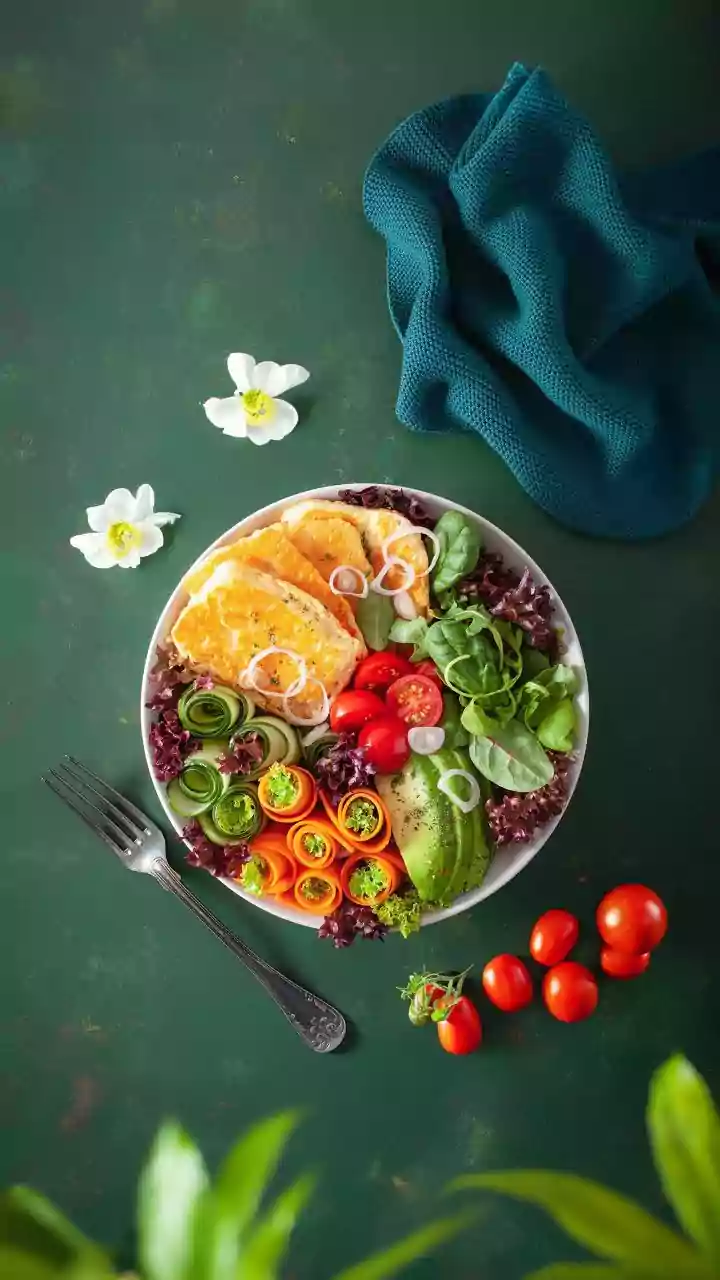
Beyond just swapping ingredients, the new festive eating mantra emphasizes mindfulness. Nutrition experts suggest focusing on portion control rather than complete restriction. Simple strategies like using smaller plates, starting a meal with a salad or vegetables, and staying hydrated can prevent overeating. The advice is to savour each bite and truly enjoy the few special treats you choose, rather than mindlessly sampling everything on the table. It's about respecting your body's signals of hunger and fullness, allowing you to participate in the feast without feeling overwhelmed. As chef Sanjeev Kapoor suggests, the goal isn't to change the soul of the dish, but to let good-quality ingredients and their natural flavours shine without making things unnecessarily rich.