


Refined Grains for Millets
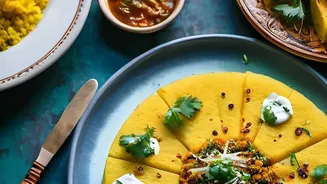
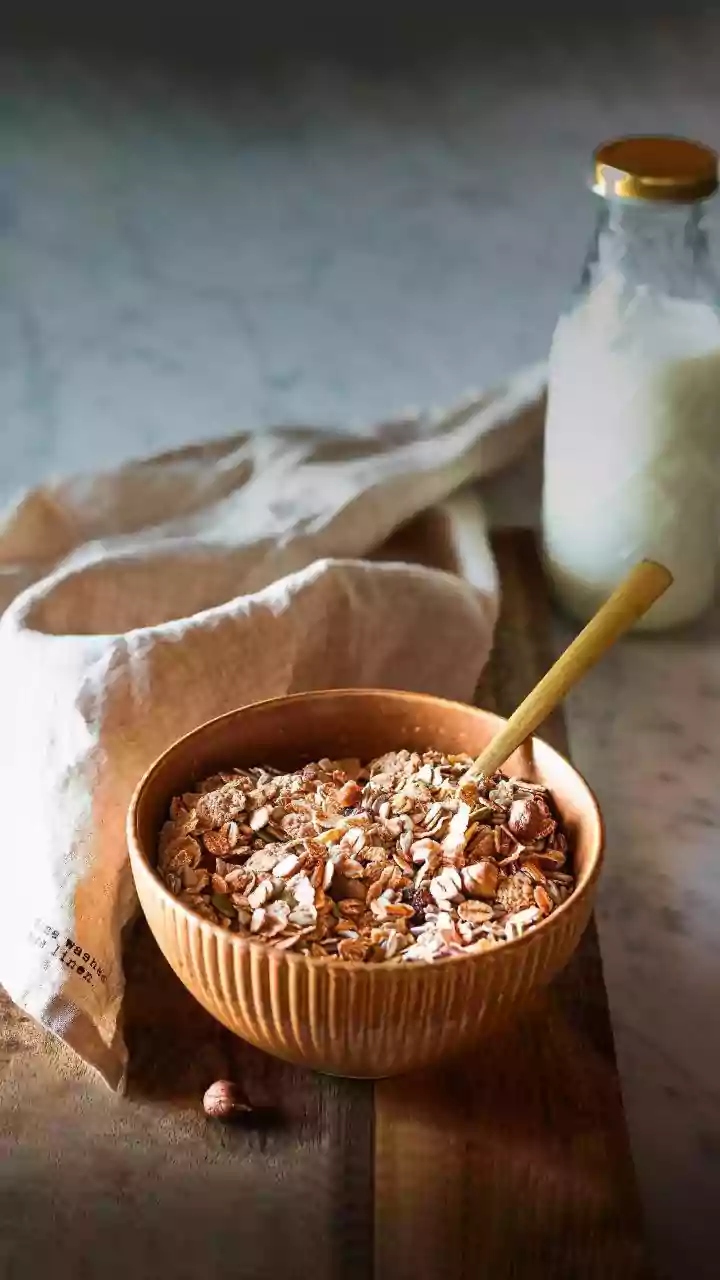
For years, refined white rice and wheat were staples. Now, ancient grains like ragi, jowar, and bajra are making a major comeback. This isn't just a health trend; it's a cultural rediscovery. Driven by a desire for nutrient-dense, gluten-free options
and government support, millets are being embraced for their high fibre and low glycemic index. Once seen as rural or 'poverty' food, they are now celebrated in urban kitchens as a conscious choice for better health and a connection to Indian agricultural roots.
Imported Quinoa for Local Millets
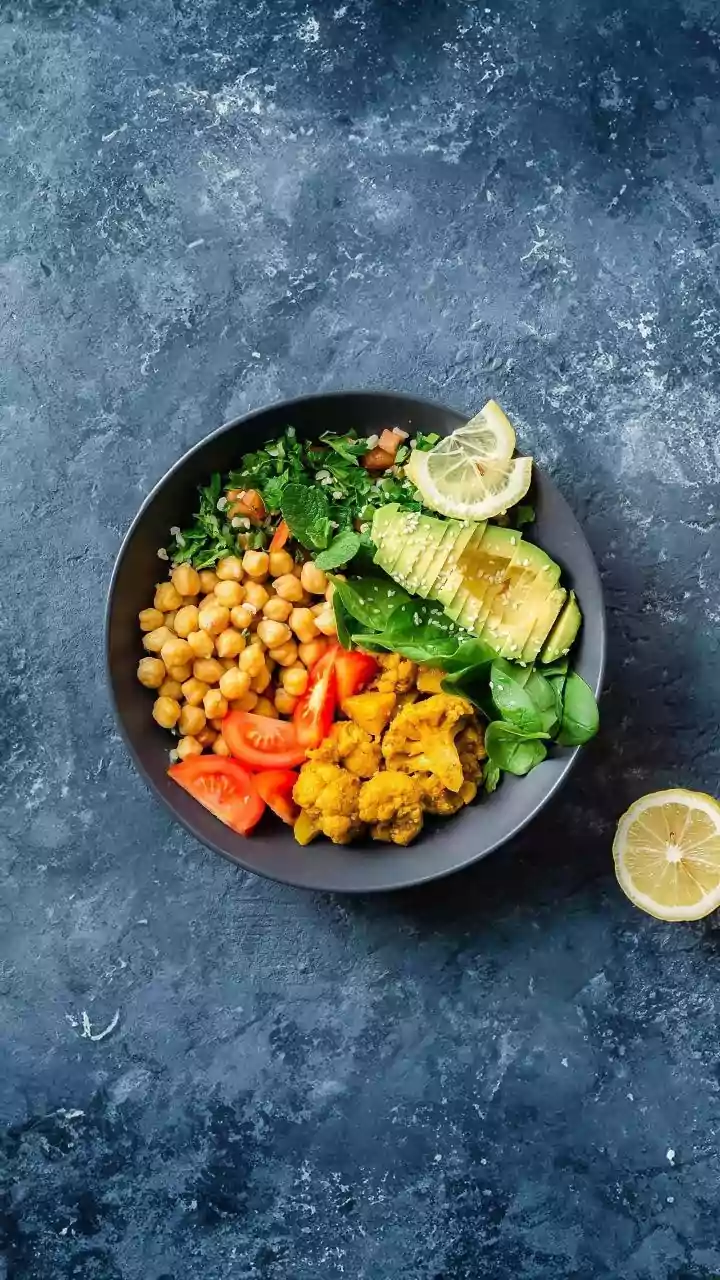
A few years ago, quinoa was the ultimate health symbol for urban Indians, often replacing rice in salads and diet plans. While its nutritional profile is impressive, a counter-movement is now in full swing. Consumers are realising that locally-grown millets offer comparable, and in some cases superior, nutritional benefits—like ragi's high calcium content. This swap reflects a growing pride in indigenous ingredients and a pushback against the environmental and financial cost of imported 'superfoods'.
Refined Oils for Revived Ghee
For decades, ghee was mistakenly demonized as an unhealthy fat, leading many households to switch to refined vegetable oils. Today, the narrative has completely flipped. Ghee is being celebrated again, not just for its flavour and high smoke point, but for its nutritional value, including fat-soluble vitamins. This revival, rooted in both Ayurvedic wisdom and modern nutritional science, shows a return to traditional fats, with an emphasis on mindful consumption rather than elimination.
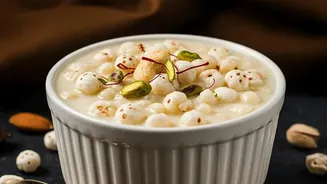
Fried Namkeen for Roasted Makhana
The classic evening tea ritual often included a side of fried, salty namkeen. That tradition is getting a healthy update with roasted makhana (fox nuts). Once primarily a fasting food, makhana has become a mainstream snack, loved for its crunch and impressive nutritional profile. Packed with protein and fibre, it satisfies cravings without the excess oil and sodium of many traditional fried snacks, making it a perfect example of India's move towards mindful snacking.
Dairy Milk for Plant-Based Alternatives
While dairy remains a cornerstone of the Indian diet, a significant shift towards plant-based milks like soy, almond, and oat is underway. This is driven by rising awareness of lactose intolerance, vegan lifestyles, and general health consciousness among urban consumers. With nearly half of Indian households now familiar with plant-based milk, what was once a niche product is becoming a common sight in coffee shops and home refrigerators, signaling a diversification of daily staples.
Sugary Spreads for Natural Nut Butters
The breakfast table is also changing. Sweetened chocolate-hazelnut spreads are being nudged aside by healthier alternatives like almond, peanut, and cashew butters. This swap is part of a larger trend of seeking protein-rich, low-sugar options. As consumers become more label-conscious, the appeal of nut butters with clean ingredients and healthy fats is growing, reflecting a desire for foods that provide sustained energy over a sugary rush.
Sugary Drinks for Functional Beverages
The era of reaching for a sugary soda for refreshment is fading. Today's consumers want their drinks to do more. The swap is towards functional beverages like probiotic drinks, kombucha, and traditional options like spiced buttermilk or barley water. This reflects a focus on gut health, immunity, and overall wellness. People are not just quitting sugar; they're actively seeking out drinks that offer a health benefit, turning every sip into a purposeful act of self-care.
Traditional Mithai for Gourmet Desserts
While ladoos and jalebis will always have a place, there's a growing appetite for gourmet desserts, especially in urban areas. This includes artisanal chocolates, boutique cakes, and fusion sweets. This doesn't mean abandoning tradition, but rather reimagining it. Consumers are seeking high-quality ingredients, sophisticated flavours, and even healthier options like sugar-free or gluten-free confections. It represents a shift in dessert culture from being purely ritualistic to an act of personal indulgence and exploration.
Standard Spices for Organic & Whole Blends
The humble masala dabba is getting a premium upgrade. Home cooks are moving away from mass-market spice powders and towards organic, single-origin, and whole spices that they grind themselves. This change is driven by a desire for cleaner labels, better flavour, and transparency in sourcing. It shows that Indian consumers are paying closer attention to the quality of their core ingredients, understanding that the foundation of a good meal lies in the purity of its spices.
Generic Snacks for Protein-Rich Options
Snacking is no longer just a mindless habit; it's becoming an intentional part of the daily diet. Consumers are swapping generic, carb-heavy biscuits and chips for snacks that are high in protein, such as protein bars, Greek yoghurt, and roasted seed mixes. This 'snackification' of meals is a response to busy lifestyles, where every eating occasion is an opportunity for nourishment. The demand for protein and clear ingredient labels is a key indicator of a more educated and health-conscious consumer.