







Start with Spotless Hygiene
The foundation of safe prasad begins long before the ingredients are mixed. Personal and environmental cleanliness is non-negotiable. Always wash your hands thoroughly with soap and water for at least 20 seconds before you begin cooking or handling any
food items. Ensure that your kitchen countertops, cutting boards, and all utensils are cleaned and sanitised. Spills should be wiped up immediately to prevent attracting pests. This simple but critical step prevents the transfer of harmful bacteria and viruses, ensuring the prasad is prepared in a pure and safe environment from the very start. The Food Safety and Standards Authority of India (FSSAI) has an initiative called BHOG (Blissful Hygienic Offering to God) to encourage this level of hygiene in places of worship.
Select Fresh and Quality Ingredients
The quality of your prasad is only as good as the ingredients you use. Opt for fresh, high-quality items, whether it's milk, coconut, jaggery, flour, or fruits. Avoid using anything that looks or smells stale. When buying packaged goods, always check the expiry date and ensure the packaging is sealed and undamaged. During festival seasons, the demand for items like milk products, ghee, and oil rises, which can sometimes lead to adulteration. Sourcing from trusted and reliable vendors can make a significant difference in the purity and safety of the final offering. Traditionally, prasad is made sattvic, meaning it is pure and light, prepared without onions, garlic, or meat.
Cook with Care and Consciousness
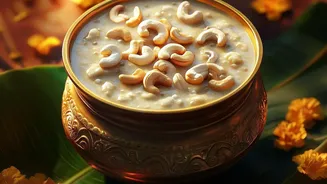
Proper cooking is a critical step in eliminating harmful bacteria. Ensure that dishes, especially those containing milk or other perishable items, are cooked to the correct temperature. For instance, if you are making payasam or kheer, bring the milk to a proper boil. When preparing traditional sweets like modak, ensure the filling is well-cooked and the outer shell is steamed thoroughly. It's a customary rule to not taste the food while cooking, as the first bite is reserved as an offering to the deity. This practice also helps prevent contamination from your mouth to the food. Once prepared, keep the prasad covered to protect it from dust and insects until it is offered.
Master the Art of Storage
How you store prasad before and after the offering is crucial for maintaining its safety. Perishable items like kheer, panchamrit, or dishes with fresh coconut spoil quickly, especially in warm and humid weather. These should be refrigerated at or below 4°C if they are not being served immediately. The World Health Organization recommends that cooked food should not be left at room temperature for more than two hours. If prasad needs to be kept warm for a long time, use insulated containers or reheat it gently, avoiding repeated high-heat boiling which can spoil its texture and taste. Dry prasad like laddoos or fried snacks should be stored in airtight containers to maintain freshness.
Serve Prasad Hygienically
The act of distribution is just as important as the preparation. When serving prasad to family, friends, and community members, use clean utensils like spoons or tongs instead of hands. If serving at a large public gathering or pandal, it is important to comply with local food safety regulations. In Maharashtra, for instance, the FDA has rolled out specific procedures for festival food distribution to ensure public health. Organisers are often encouraged to receive training on food safety norms. Serving prasad on clean surfaces, like banana leaves or compostable plates, is another excellent practice that is both traditional and eco-friendly.
Handle Leftovers Wisely
After the celebrations, handling leftover prasad correctly can prevent foodborne illnesses. Refrigerate any perishable leftovers promptly in clean, shallow containers to allow them to cool quickly. As a general rule, consume refrigerated leftovers within a day or two. When reheating, make sure the food is heated thoroughly to at least 74°C. For dry sweets, ensure they are stored in a cool, dark place in an airtight container. Always check for any signs of spoilage, like an off-smell, change in colour, or mould, before consuming. When in doubt about the freshness or safety of any food item, the safest option is to discard it.