







The High-Altitude Bottleneck
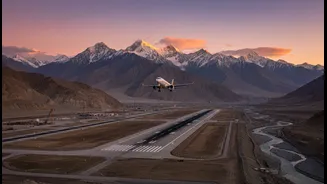
For years, travelling to Ladakh by air has been a beautiful but challenging experience. Perched at 10,682 feet, Leh's Kushok Bakula Rimpochee Airport is one of the world's highest, and its operation is a marvel of aviation. However, its very nature creates
a bottleneck. The thin air, surrounding mountains, and strong afternoon winds mean flights have traditionally been restricted to a narrow morning window. This limited operational capacity, combined with a short runway and a small terminal, has always struggled to meet the explosive demand during the peak summer months. The result is a classic supply-and-demand crunch: round-trip tickets from Delhi can soar past ₹25,000, and cancellations due to weather are a constant worry, making a trip to this bucket-list destination a pricey gamble for many. The current terminal, which handles around 1.5 million passengers annually with about 18 flights a day, simply wasn't built for the new era of tourism.
A Game-Changing Overhaul
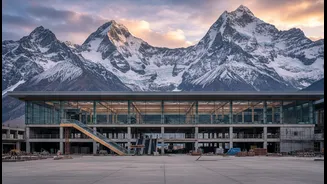
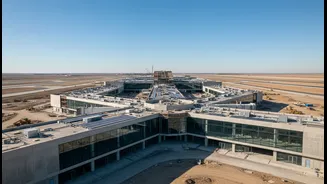
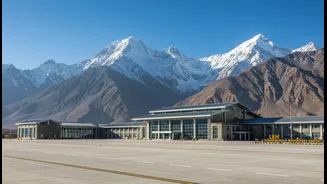
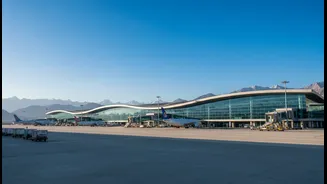
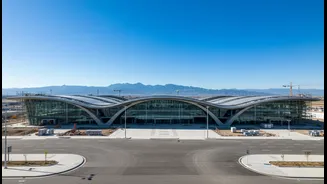
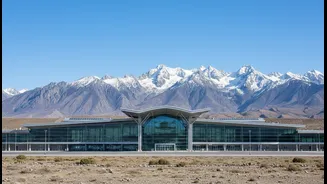
The solution is a state-of-the-art new integrated terminal building, a project designed to fundamentally alter Leh's connectivity with the rest of India. As of early July 2026, the physical construction of the new terminal is 83% complete. Once fully operational, this new facility will be a massive leap forward. The plan is to triple the airport's capacity, enabling it to handle up to 54 flights a day. The new terminal is designed to accommodate 3.5 million passengers annually, a significant increase from the current traffic. It will feature 20 check-in counters, modern baggage handling systems, and, crucially, an architectural design that incorporates Buddhist philosophy and sustainable technology, including a geothermal heating system. The project is not just about a bigger building; it involves creating new aircraft bays and eventually, aerobridges, which will streamline operations and passenger movement.
What This Means for Your Travel Plans
For travelers, the implications are huge. The most immediate impact will be on flight availability. Tripling the number of daily flights will introduce much-needed competition among airlines. More seats available should, in theory, lead to more competitive and stable airfares, even during the peak season from June to August. This could make spontaneous trips more feasible and planning less stressful. Beyond cost, the infrastructure upgrade aims to improve reliability. Better navigation aids and a more robust terminal complex could help mitigate some of the weather-related disruptions that plague the current airport. While the extreme conditions of the Himalayas will always be a factor, an airport designed for higher capacity can manage delays and rescheduling more efficiently. This increased accessibility could open up Ladakh to a wider range of travelers who were previously deterred by the high cost and logistical uncertainty.
The Ripple Effect on Ladakh
The airport expansion is about more than just tourism; it's a catalyst for the entire regional economy. Enhanced connectivity is expected to boost local businesses, from hotels and guesthouses to taxi operators and tour guides, who have recently faced a slowdown in visitor numbers. A more accessible Ladakh could see a more evenly distributed tourist season, moving beyond the intense summer peak. However, this rapid change comes with significant concerns. The very thing that makes Ladakh magical—its fragile, high-altitude ecosystem and unique cultural heritage—is also what makes it vulnerable. The question on everyone's mind is whether the region is prepared for the inevitable surge in tourist numbers. Issues like 'overtourism', which have already been felt around popular spots like Pangong Lake, could be magnified. Water scarcity, waste management, and strain on local resources are critical challenges that need to be addressed proactively.