





The Great Migration From Cubicles to Cafes
The remote work revolution, accelerated in the early 2020s, has permanently altered India's professional landscape. No longer tethered to bustling metropolitan offices, a growing number of professionals are seeking a better quality of life in scenic,
peaceful locations. This has given rise to the 'workation' culture, where the lines between work and leisure blur beautifully. Hill stations have emerged as top contenders, but Rishikesh, with its unique blend of spirituality, adventure, and connectivity, has carved out a special niche. The town is quickly transforming from a pilgrimage and yoga destination into a year-round hub for digital nomads looking for both productivity and peace. This shift isn't just about individuals escaping the city; it's about a new ecosystem developing to support them.
Not Your Average Backpacker's Den
When you hear 'hostel,' you might picture crowded dorms and a party-centric atmosphere. But the co-living hostels popping up across Rishikesh are a different species entirely. They are hybrid spaces meticulously designed for the modern remote worker. These establishments combine the affordability and community of a traditional hostel with the essential amenities of a co-working office. Think less about flimsy bunk beds and more about dedicated work zones with comfortable seating, ample charging points, and, most importantly, high-speed Wi-Fi. Many offer fibre optic internet and full power backup, ensuring that a client call or an important deadline is never missed due to infrastructure issues. This evolution is crucial; it’s a direct response to a demand for spaces that facilitate deep work without sacrificing the social fabric of community living.
The Reality of 'Under ₹20,000'
The headline figure of under ₹20,000 a month is not a myth, but it does require clarity. This budget typically secures a bed in a shared dormitory—often a quad-sharing or six-bed room—for a 28-day cycle. For instance, some popular workation hostels offer monthly dorm stays starting from as low as ₹17,000-₹18,000. These packages almost always include access to all work-related amenities like high-speed internet and co-working spaces. While private rooms are available, they generally push the monthly cost above the ₹25,000 mark. Meals may or may not be included; some hostels offer packages with breakfast and dinner, while others have in-house cafes where food can be purchased separately. The value proposition is clear: for the price of a few weeks' rent in a major city, one gets accommodation and a fully functional office in the Himalayas.
More Than Just Good Wi-Fi
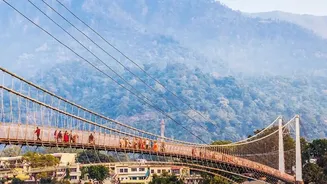
What truly drives this trend is the lifestyle that Rishikesh enables. The town itself is a wellness retreat. A workday can begin with riverside yoga and end with a quiet evening stroll across the Laxman Jhula bridge. The availability of healthy, sattvic food, countless meditation centres, and weekend treks to nearby waterfalls provides a natural antidote to professional burnout. These hostels actively foster this balance. They are designed to combat the isolation that often accompanies remote work by creating a built-in community. Organized events, from bonfire nights and music sessions to skill-sharing workshops, create an environment where freelancers, startup founders, and remote employees can network, collaborate, and form genuine connections. It's this fusion of work infrastructure and community wellness that makes the Rishikesh model so compelling.
A Blueprint for the Future
Rishikesh isn't just a one-off phenomenon; it's a blueprint for the future of work in India. As more companies embrace remote or hybrid models, the demand for affordable, high-quality living in Tier-2 and Tier-3 towns will only grow. The success of co-living hostels in Rishikesh demonstrates a sustainable model that benefits both the local economy and the incoming professionals. These establishments prove that you don't need a corporate campus to foster productivity and you don't need a sprawling city to build a professional network. By providing a stable foundation of connectivity, community, and calm, these hostels are not just catering to a trend—they are actively shaping the next chapter of professional life in India.