





The Power of a Plan
The concept is straightforward: instead of deciding what to eat each morning, you plan a few simple breakfast options that you cycle through. This small change has two major benefits. First, it curbs impulse spending on café coffees and pastries, which
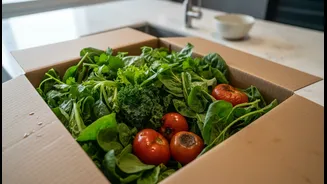
can add up significantly over a month. Studies consistently show that cooking at home is substantially cheaper than buying takeaway or getting delivery. Second, it drastically reduces food waste. By planning meals around a core group of ingredients, you ensure that everything you buy gets used. No more half-used bunches of coriander or forgotten bags of spinach. A breakfast rotation is a predictable system that makes grocery shopping more efficient and your mornings less stressful.
Building Your Breakfast System
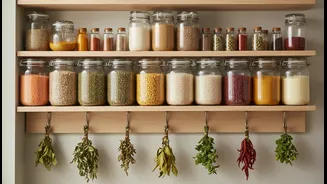
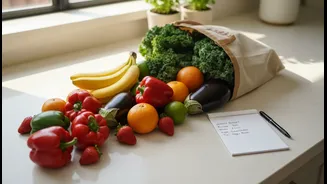
Creating your own breakfast rotation is easier than it sounds. Start by taking inventory of what you already have in your pantry and fridge. This helps you use up existing items first. Next, choose three to four simple breakfast recipes you genuinely enjoy. The key is to select meals that share common ingredients. For example, onions, tomatoes, and yogurt can be used across a variety of Indian breakfast dishes. Once you have your rotation chosen, create a focused shopping list based only on the ingredients you need for those specific meals. This intentional approach prevents you from buying items without a clear purpose, which is a major source of both waste and overspending.
A Sample Three-Day Indian Rotation
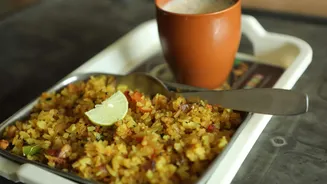
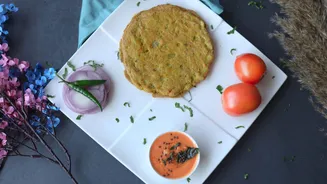
To see how this works in practice, consider this simple, versatile three-day rotation popular in many Indian households. Day 1: Poha. A quick and light option made from flattened rice, it primarily uses onions, mustard seeds, curry leaves, and perhaps some peanuts or sev for garnish. It’s a fast, nutritious start to the day. Day 2: Upma. This savory dish is made from semolina (sooji). Many of the base ingredients overlap with poha, such as onions, mustard seeds, and curry leaves. You can also add vegetables like carrots or peas, which can be bought frozen to extend their shelf life. Day 3: Besan Chilla. A savory pancake made from gram flour (besan), this dish also uses onions and can incorporate tomatoes and fresh coriander. You can even use leftover vegetables from the previous day’s upma. The core ingredients—onions, spices, and oil—are used across all three meals, ensuring nothing goes to waste.
Smart Tips for Success
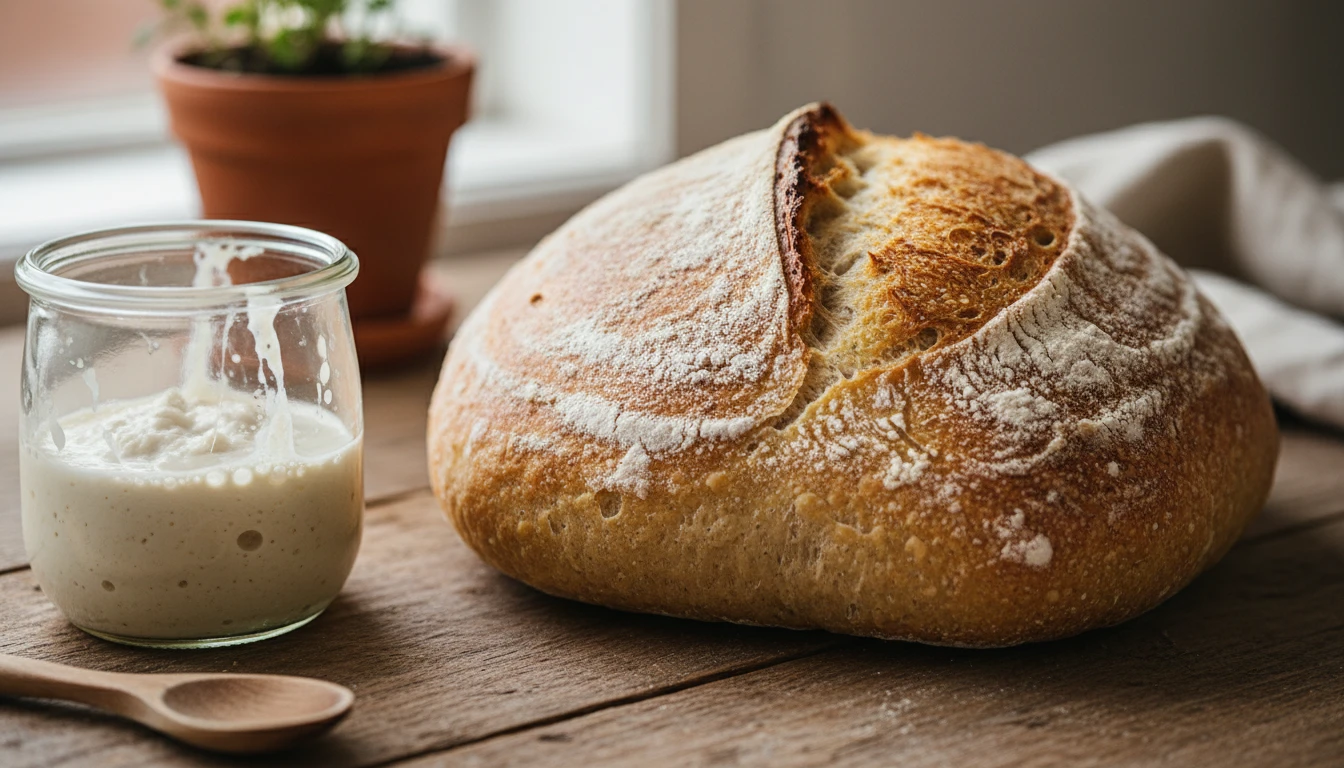
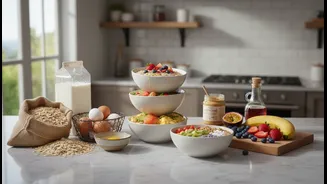
To make your breakfast rotation even more effective, incorporate some simple prep habits. Spend a bit of time over the weekend pre-chopping vegetables like onions and tomatoes and store them in airtight containers in the fridge. You can also make batter for chilla or dosa in advance. Consider batch cooking items like oatmeal or hard-boiled eggs, which can be quickly grabbed on busy mornings. It's also wise to build in a “flex day” each week. This can be a day for leftovers or a simple toast-and-egg meal, helping you clear out any remaining odds and ends before your next grocery run. Finally, use your freezer. Many items like bread, muffins, and even pre-made breakfast burritos freeze well, providing a ready-made option when you're short on time.