




Understanding the 'Vrat Ka Khana' Philosophy
The diet for Janmashtami fasting is traditionally sattvic, meaning it consists of pure, light foods that are easy to digest and calming for the mind. This is why common grains like wheat and rice, along with lentils, onions, garlic, and regular table
salt are avoided. The focus shifts to ingredients that provide sustained energy without being heavy or causing sluggishness, allowing the mind to remain focused on prayers and spiritual reflection. The fast, known as 'upvas', is seen as a way to purify the body and mind. Depending on family traditions and personal health, fasts can range from a strict 'nirjala' vrat (without food or water) to a 'phalahar' fast, which permits fruits, dairy, and other specific foods.
Embrace Vrat-Friendly Flours
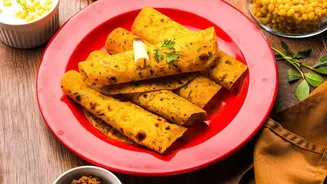
Instead of wheat flour, fasting opens up a world of nutritious and flavourful alternatives. Kuttu ka atta (buckwheat flour), singhara ka atta (water chestnut flour), and rajgira ka atta (amaranth flour) are the cornerstones of vrat cooking. These flours are used to make everything from fluffy puris and wholesome parathas to savoury cheelas (pancakes). Buckwheat, despite its name, is not a type of wheat and is gluten-free, making it an excellent source of energy. Amaranth flour is another protein-rich option that can be used to make rotis or even a creamy, porridge-like kadhi. These flours are typically combined with mashed potatoes or arbi (colocasia root) to help bind them, creating soft and delicious breads.
Meet Your Rice Alternative: Samak Ke Chawal
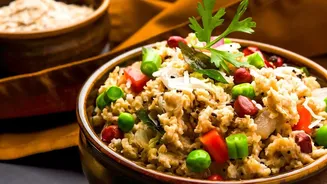
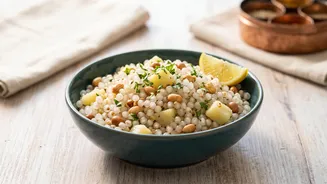
For those who miss the comfort of rice during a fast, samak ke chawal, or barnyard millet, is the perfect substitute. It is not a true grain but a type of millet that cooks quickly and has a light, fluffy texture. It can be used to make a simple pulao with potatoes and peanuts, a comforting khichdi, or even creamy kheer for a sweet treat. Some innovative cooks even use samak rice to create vrat-friendly idlis and dosas, offering a delightful change from the usual fare. Seasoned with sendha namak (rock salt), cumin, and green chillies, dishes made from samak rice are both filling and compliant with fasting rules.
Sabudana and Makhana: The Energy Boosters
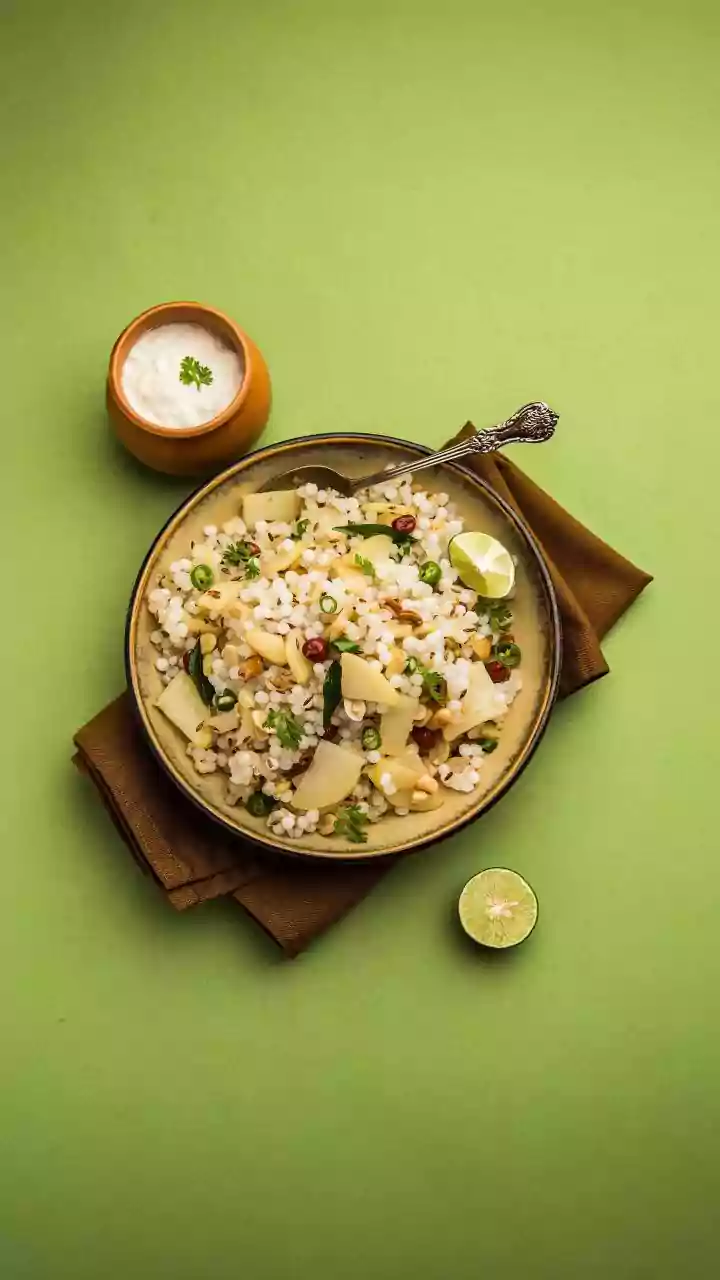
Sabudana (tapioca pearls) is perhaps one of the most popular fasting ingredients. Soaked and then sautéed with potatoes, peanuts, and mild spices, Sabudana Khichdi is a classic vrat dish that provides ample energy. Sabudana can also be used to make crispy vadas, creamy kheer, or even a light and refreshing salad. Another versatile ingredient is makhana (fox nuts). Low in calories and rich in protein, roasted makhana makes for a perfect crunchy snack. They can also be added to milk to make a delectable kheer or ground into a paste to thicken curries.
Power Up with Permitted Vegetables and Dairy
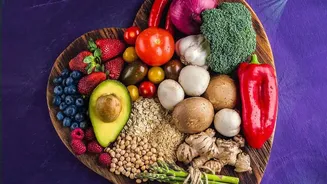
While some vegetables are avoided, many are permitted and form the base of fasting meals. Potatoes, sweet potatoes, pumpkin, tomatoes, cucumber, and arbi (colocasia) are widely used. A simple dish of aloo jeera, made with boiled potatoes and cumin, is a common accompaniment to kuttu ki puri. Sweet potatoes can be roasted, boiled for a chaat, or used to make a satisfying halwa. Dairy products like milk, curd (yoghurt), and paneer are also essential. They provide protein and calcium, helping to keep you full and hydrated. A bowl of fruit with yogurt, a glass of lassi, or paneer cooked in a simple tomato gravy are excellent ways to incorporate dairy into your vrat diet.