



A Midnight Spectacle on the Shore
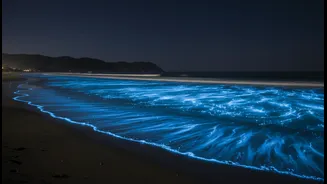
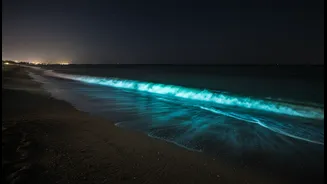
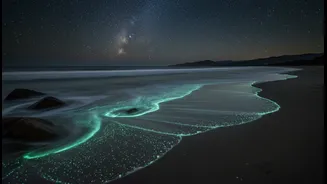
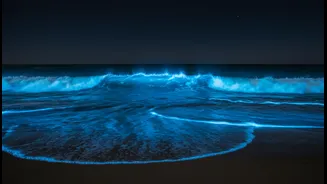
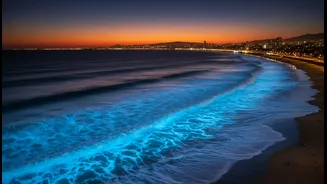
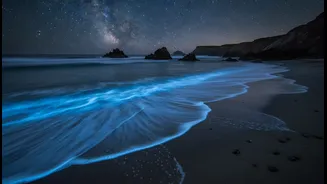
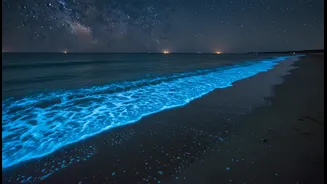
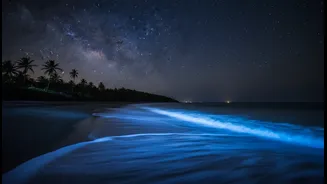
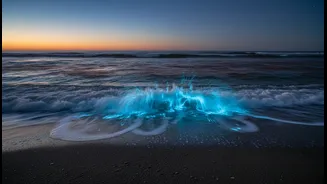
Imagine standing on Juhu beach, the usual city lights behind you, but the real show is at your feet. With every wave that crashes and recedes, the water erupts in a shimmering, electric blue. This isn't a scene from a sci-fi movie; it's the natural phenomenon
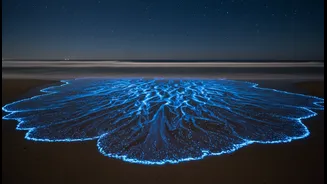
of bioluminescence, and it has recently transformed Mumbai's coastline into a place of wonder. For weeks, residents, particularly the city's youth, have been flocking to the shores after dark, armed with cameras and a sense of awe. The "blue tide," as it's popularly known, offers a surreal escape from the urban grind, painting the familiar shores of Carter Road, Marine Drive, and other coastal spots with an ethereal brush. It's a spontaneous event that has spread not through official announcements, but through a flurry of social media posts and word-of-mouth excitement.
The Science Behind the Sparkle
So, what's causing this aquatic light show? The glow comes from microscopic marine organisms called dinoflagellates, specifically a species known as Noctiluca scintillans, often nicknamed "sea sparkle". These single-celled plankton are a natural part of the marine ecosystem. They produce light through a chemical reaction when they are disturbed. When waves crash, a boat cuts through the water, or even when you splash your hand, the physical agitation triggers a defensive flash of light inside each organism. When millions of them are present in the water, their collective glow is powerful enough to illuminate the entire surf. This bioluminescence is a form of communication and a defense mechanism, startling potential predators. It’s a beautiful, yet fleeting, display of nature’s intricate web.
An Unseasonal, Troubling Tide?
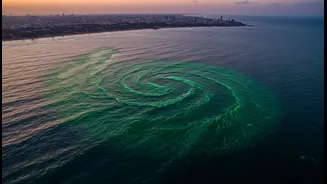
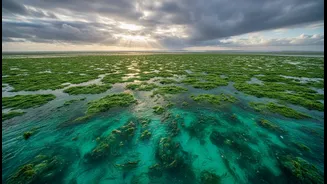
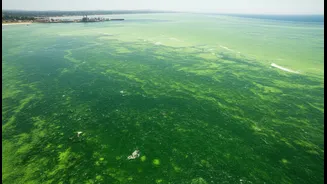
While Mumbai has witnessed these blue tides before, their appearance during this time of year is unusual. Bioluminescent blooms in the Arabian Sea are typically associated with the post-monsoon months, from September to November, when specific nutrient and temperature conditions are met. An off-season bloom like this one raises questions among scientists and environmentalists. Some experts suggest that shifting climate patterns, including unseasonal rains and changes in ocean temperature, could be a contributing factor. Another potential cause is an increase in nutrient-rich runoff into the sea from urban sources, which can act like fertilizer for the plankton. While visually stunning, these blooms can sometimes indicate an imbalance in the marine ecosystem. Large, dense blooms of Noctiluca can lead to oxygen depletion in the water, producing ammonia and potentially harming fish and other marine life.
Why the Youth Can't Look Away
The scientific context is fascinating, but the cultural impact is undeniable. For Mumbai's youth, the glowing waves are more than just a biological event; they are an experience. In a city that never sleeps, finding a moment of genuine, uncurated magic is rare. The bioluminescence offers just that. It's a highly "Instagrammable" phenomenon, with feeds flooded with dreamy, long-exposure shots of the blue glow. This visual appeal drives a powerful fear of missing out and turns a trip to the beach into a must-do activity. Beyond social media, however, there's a deeper pull. It represents a chance to connect with nature in a profoundly urban environment. The shared experience of witnessing this wonder fosters a sense of community among strangers on the beach, all gathered to see the same spectacle. It’s a quiet rebellion against the structured, digital-heavy lives many lead, offering a moment of pure, analogue wonder.