




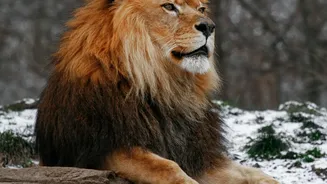
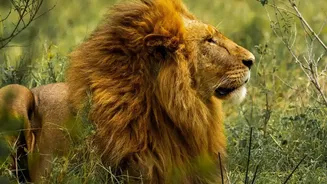
Barda Wildlife Sanctuary is roaring back to life. After a 144-year absence, Asiatic lions have returned, marking a huge conservation win. But this success brings a new challenge: a wave of tourism that could threaten the very ecosystem we aim to protect.
A Landmark Conservation Victory
For the first time since 1879, the rugged, hilly forests of Barda Wildlife Sanctuary are home to a breeding population of Asiatic lions. This is a monumental achievement for 'Project Lion', a government initiative to create a second, independent population away from the Gir National Park. The project aims to mitigate the risk of a single disease outbreak, like the canine distemper virus that hit Gir in 2018, from wiping out the entire species. The successful reintroduction, which began with a natural migration in 2023 followed by the translocation of several lionesses, has resulted in a growing population that now stands at over two dozen individuals. This establishes Barda as a critical insurance policy for the future of these magnificent animals.
The Unavoidable Tourist Boom
The return of the king of the jungle has, predictably, put Barda on the tourist map. The Gujarat government has already announced plans to develop an open jungle safari and a safari park to boost ecotourism in the region, which is conveniently located on the Dwarka-Porbandar-Somnath tourist circuit. Ecotourism initiatives have already begun, with visitor numbers showing a significant increase. This influx brings economic opportunities for local communities, who can work as guides and safari operators, and raises public awareness for conservation. However, this rapid development comes with serious responsibility. The sanctuary is not just a tourist destination; it's a fragile, recovering ecosystem.
Loving a Habitat to Death
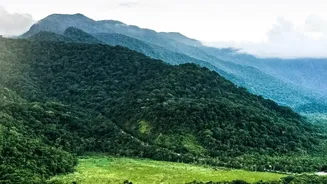
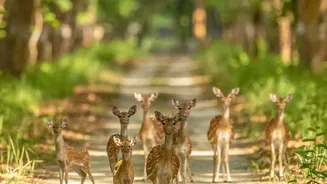
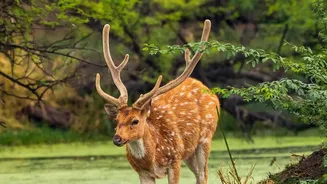
The central question is whether Barda is ready for the pressure. A key challenge is the sanctuary's low natural prey base. While authorities are actively relocating species like spotted deer and sambar, the lion population's diet still includes a significant percentage of domestic livestock, which can fuel human-wildlife conflict. Furthermore, the sanctuary is relatively small at just over 192 sq. km and is home to hundreds of 'maldhari' families and their livestock. Unchecked tourism adds another layer of stress. Increased vehicle traffic, noise pollution, and human presence can disturb wildlife behaviour, disrupt breeding patterns, and degrade the habitat. There are also existing issues of illegal encroachments and unauthorised commercial activities that endanger the sanctuary's ecological balance. Without a robust management plan, Barda risks repeating the mistakes made in other popular wildlife parks, where the habitat suffers under the strain of its own popularity.
The Path to Responsible Access
The headline's call to 'check' visitor access is not about closing the gates, but about opening them responsibly. A sustainable model for Barda must prioritise conservation over commerce. This means implementing strict regulations before tourism reaches its peak. Key measures should include capping the number of daily visitors and safari vehicles, establishing designated tourism zones to leave core habitats undisturbed, and enforcing strict codes of conduct for tourists and operators. Investment in infrastructure, like the planned safari park and interpretation centres, must be coupled with enhanced protection measures. The state has already begun strengthening the administrative structure of the Porbandar forest division to better manage the sanctuary, which is a crucial first step. Engaging local communities and ensuring they are primary beneficiaries of tourism revenue can also turn them into the sanctuary's strongest defenders.