

The Celestial Event of the Year
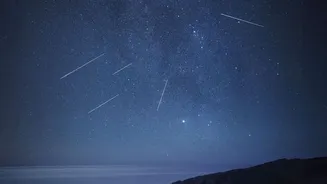
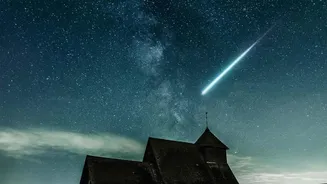
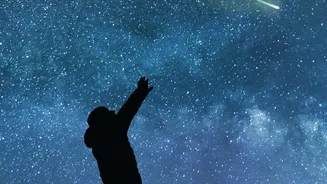
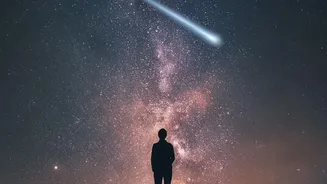
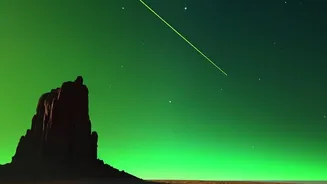
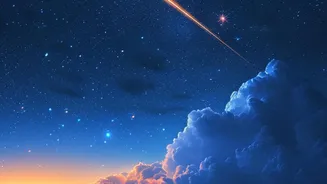
The annual Perseid meteor shower is set to put on a dazzling display, peaking on the night of August 12-13, 2026. This shower is known for its bright, fast-moving meteors that often leave long trails of light and colour. What makes 2026 exceptional is that the peak coincides
perfectly with a new moon, meaning the sky will be completely dark, allowing even the faintest shooting stars to shine through. Under these ideal conditions, observers in dark locations could see between 50 and 100 meteors per hour. The shower is caused by Earth passing through the trail of debris left by Comet Swift-Tuttle.
Essential Tips for the Best Viewing
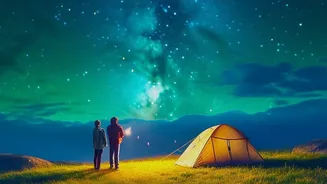
You don’t need a telescope to enjoy a meteor shower; the best instrument is simply your eyes. Find a comfortable spot, perhaps with a reclining chair or blanket, and lie back. It’s crucial to give your eyes at least 20-30 minutes to fully adjust to the darkness, so avoid looking at your phone screen. The best viewing hours are typically between midnight and the pre-dawn hours, as the radiant point in the constellation Perseus climbs higher in the sky. For viewers in India, the prime window is from about 2 a.m. to 4:30 a.m. IST on August 13. Patience is key, as is finding a location with a wide, unobstructed view of the sky, far from city lights.
Hanle, Ladakh: The Ultimate Dark Sky
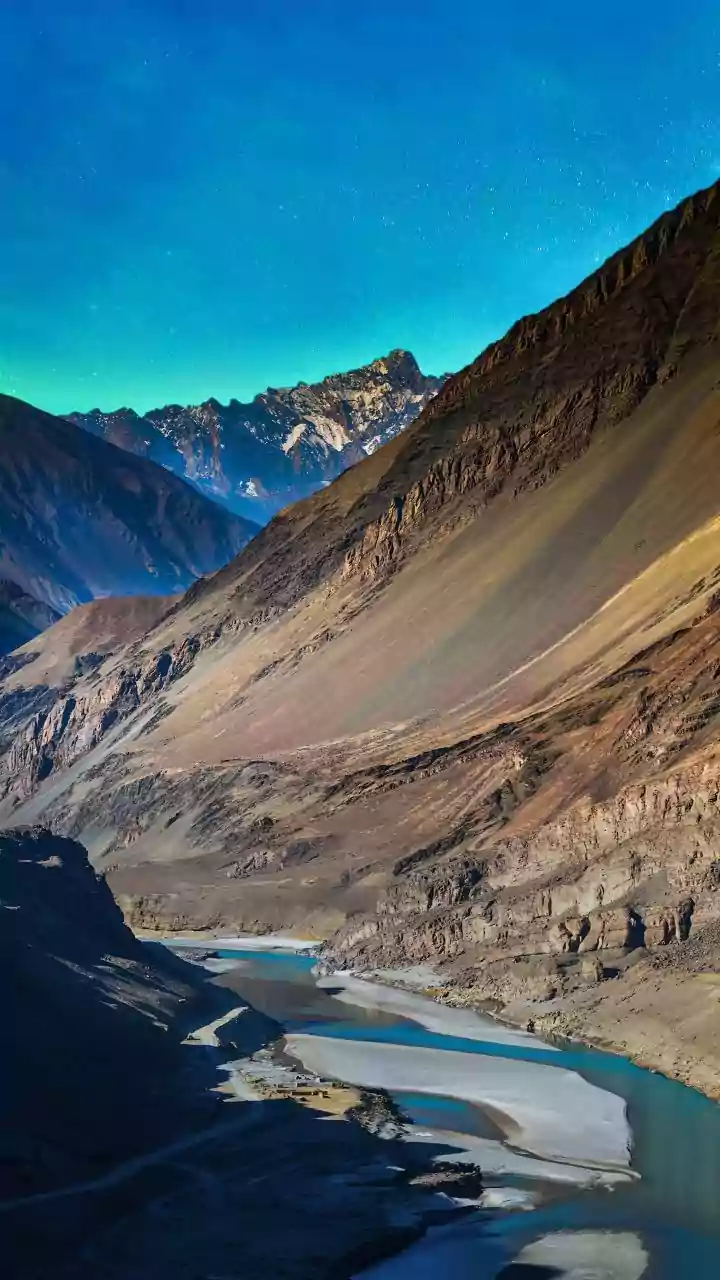
For the most pristine stargazing experience in India, Hanle is unparalleled. Designated as India's first official Dark Sky Reserve, this remote region in Ladakh boasts some of the darkest skies in Asia. Its high altitude (around 4,500 meters), arid climate, and near-zero light pollution create near-perfect viewing conditions. Here, the Milky Way is not a faint cloud but a brilliant, detailed river of light, and meteor showers appear exceptionally vivid against the profound darkness. It's an essential destination for serious astrophotographers and anyone wanting to see the cosmos in its full glory.
Spiti Valley, Himachal Pradesh: A High-Altitude Desert
Like its neighbour Ladakh, Spiti Valley is a high-altitude cold desert offering spectacular night skies. The dry air and minimal light interference in villages like Kaza, Kibber, and Langza provide a breathtaking canvas for the Perseids. The dramatic landscape, framed by stark mountains and ancient monasteries, adds a mystical element to the experience. It is a favourite among stargazers looking for a raw, immersive celestial show far from the crowds. The combination of altitude and isolation makes it one of the premier spots to watch the stars fall.
Rann of Kutch, Gujarat: A Horizon-to-Horizon View
The vast, flat expanse of the Great Rann of Kutch offers a unique stargazing theatre. The white salt desert provides an unobstructed, 360-degree view of the sky, allowing you to watch meteors streak from one horizon to the other. During a moonless night, the contrast between the pale earth and the dark, star-filled sky is an unforgettable sight. Its remoteness ensures minimal light pollution, making it an excellent choice for those in western India, though it's important to be mindful of the monsoon season, which can bring clouds.
Coorg, Karnataka: Stars Over Southern Hills
For observers in South India, Coorg provides a wonderful escape into darkness. Nestled in the Western Ghats, the region's rolling hills and coffee plantations offer dark pockets away from the light pollution of nearby towns. Finding a quiet homestay or a clearing with an open view of the sky can lead to a surprisingly clear celestial show. The tranquil environment, surrounded by the sounds of nature, creates a peaceful and serene setting for a night of watching the Perseids paint the sky.
Neil Island, Andaman and Nicobar: A Coastal Cosmos
For a truly unique experience, consider watching the meteor shower from the Andaman and Nicobar Islands. The remote location of islands like Neil Island means they are free from the light pollution that plagues the mainland. Lying on a quiet beach and watching shooting stars reflect over the calm ocean water is a magical experience. Here, the sound of the waves replaces the silence of the mountains, offering a different but equally profound connection to the night sky.