





The Great Diversification Drive
For decades, the economies of West Asia have been powered by oil. Now, a major strategic shift is underway. Nations across the region are actively diversifying their economies, and tourism has been identified as a key pillar for future growth. Countries
like the UAE, Saudi Arabia, Qatar, and Oman are investing billions in tourism infrastructure, aiming to become global leisure and business hubs. At the heart of this strategy is a clear focus on a single, massive market: India. With its burgeoning middle class, growing disposable income, and a young population eager to travel, India represents a vital source of visitors. The sheer scale is staggering; some projections estimate India’s outbound tourism market could reach 50 million departures by 2030.
Following the Dubai Blueprint
The United Arab Emirates, particularly Dubai, has long been a trailblazer in attracting Indian tourists. For years, it has been the top international destination for Indian travellers, welcoming millions annually. This success wasn't accidental. Dubai meticulously crafted a strategy based on strong air connectivity to over 20 Indian cities, simplified visa processes, and a deep understanding of the Indian market. From hosting grand Diwali celebrations and the Indian Premier League to attracting Bollywood productions and featuring Indian celebrities in tourism campaigns, Dubai has made itself feel like a home away from home. This successful blueprint, which turned the city into a year-round destination for leisure, business, and large Indian weddings, is now being studied and adapted by its neighbours.
The New Players: Saudi Arabia and Qatar
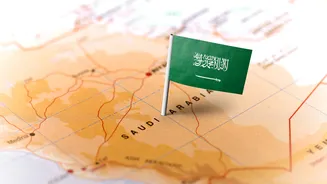
While the UAE remains dominant, other nations are aggressively entering the fray. Saudi Arabia, as part of its ambitious Vision 2030, is making a monumental push into leisure tourism. Once known primarily for religious pilgrimage, the Kingdom is now targeting 7.5 million Indian visitors by 2030 for tourism. It is backing this ambition with massive investments in new resorts and entertainment projects, easing social regulations, and streamlining visa access. A new "Package Visa" initiative, launched in July 2026, integrates visa applications with flight and hotel bookings to simplify the process for international visitors. Similarly, Qatar is building on the momentum of the 2022 FIFA World Cup. Visit Qatar has been actively engaging with the Indian travel industry, holding multi-city roadshows in early 2026 to promote the country as a luxury, wellness, and short-haul destination. In 2025, Qatar welcomed over 430,000 visitors from India, cementing its status as a priority market.
Why India? Why Now?
Several factors make India the most attractive target market right now. Geographical proximity is a key advantage; for most Indians, West Asia is just a short flight away. This makes it ideal for weekend trips, family holidays, and destination weddings. The large and influential Indian diaspora in the Gulf region also creates strong VFR (visiting friends and relatives) traffic. Economically, India's rapid growth means millions more can afford international travel. Furthermore, there is a strong strategic desire from West Asian governments to deepen cultural and economic ties with India, with tourism seen as a vital bridge between their people. Recent reports from July 2026 note that even with regional tensions impacting some global travel, demand from India has remained resilient, prompting these nations to double down on their India-focused strategies.
What This Means for Indian Travellers
For the average Indian tourist, this increased focus translates into a wealth of benefits. The growing competition among destinations is leading to more competitive airfares and holiday packages. Airlines are adding more direct flights from both metro and Tier-2 Indian cities, increasing accessibility. Visa rules are being constantly relaxed, with many countries offering visa-on-arrival or easy e-visa options for Indian passport holders. On the ground, the experience is also becoming more tailored. Hotels are offering more Indian and vegetarian food options, hiring Hindi-speaking staff, and curating experiences that appeal to Indian cultural tastes. From Oman showcasing its Khareef monsoon season to Ras Al Khaimah promoting itself as a premier wedding destination, the offerings are becoming more diverse and sophisticated.