



More Than a Mindset
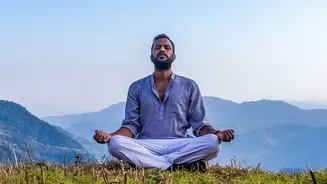
Slow travel is often mistaken for simply taking a longer vacation. While it does involve a slower pace, its core principle is about conscious connection. It encourages travellers to immerse themselves in a destination rather than rushing through a checklist
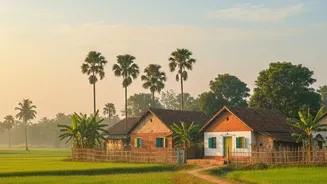
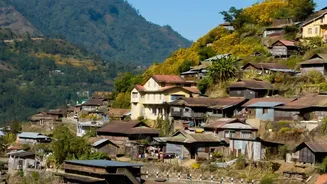
of sights. This means swapping multiple hotel changes for a longer stay in one place, like a community-run homestay in Majuli, Assam, or a village in the mountains of Arunachal Pradesh. Instead of a packed itinerary, the focus is on genuine interaction: learning to cook a local dish, walking through a community forest with a local guide, or simply sharing stories with your hosts. This approach not only provides a more authentic experience for the visitor but fundamentally changes where their money goes.
The Problem with the Money Trail
In conventional mass tourism, a significant portion of a traveller's spending often 'leaks' out of the local economy. When you book an all-inclusive package tour with a large international company, a substantial amount of your money goes to airlines, corporate hotel chains, and booking platforms headquartered far from your destination. Studies have shown that in developing economies, this leakage can be as high as 40% to 50% of tourism revenue. This means that even in places bustling with tourists, the very communities that make the destination special may see little of the economic benefit. Their natural and cultural resources are used, but the profits are consolidated elsewhere, limiting local growth and empowerment.
Homestays as Economic Anchors
Slow travel directly counters this leakage, and in North East India, the homestay is the hero of the story. When a traveller chooses to stay in a family-run homestay in states like Sikkim, which has over 1,200 such establishments, the money for accommodation goes directly into the hands of a local household. This provides a vital source of income that is often more stable and supplementary to traditional livelihoods like agriculture. This direct financial transaction is the first and most crucial step. Instead of feeding a distant corporate account, your stay helps a family pay for education, improve their home, or invest in their future, creating a model of community-based tourism where locals are the primary beneficiaries.
Creating a Ripple Effect
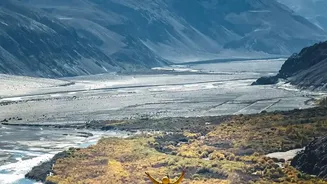
The economic benefits ripple out far beyond the homestay itself. Slow travellers are more likely to engage in other local economic activities. They hire local guides for treks in places like Dzuleke in Nagaland or for bird-watching tours. They eat at small, family-owned restaurants, buy produce from the village market, and purchase handicrafts directly from the artisans who make them. Each of these transactions keeps money circulating within the community. The homestay owner might buy supplies from a neighbouring shopkeeper, who in turn pays a local farmer. This 'multiplier effect' strengthens the entire local economic ecosystem, fostering self-sufficiency and encouraging the preservation of the cultural and natural heritage that attracts visitors in the first place.
A Richer Experience for Everyone
Ultimately, the slow travel model creates a symbiotic relationship. Communities are empowered economically and incentivised to protect their heritage, as seen in initiatives in villages like Thembang in Arunachal Pradesh, where tourism aids conservation efforts. For the traveller, the reward is an experience that is deeper, more memorable, and far more connected than a conventional tour. It's the difference between seeing a place from behind a bus window and truly feeling its pulse. By choosing to travel slowly, visitors are not just consumers but active participants in a more equitable and sustainable form of tourism that respects both people and place.