
The Antioxidant Advantage
First, let's talk about what we're trying to save: antioxidants. These are powerful compounds, including well-known names like vitamins C and E, as well as phytochemicals like lycopene and flavonoids, found abundantly in fruits and vegetables. Their main
job is to protect our bodies at a cellular level by neutralizing unstable molecules called free radicals. An overload of free radicals, caused by factors like stress and pollution, can lead to oxidative stress—a process linked to chronic conditions like heart disease and cancer. A diet rich in antioxidants helps combat this damage, making it crucial to get as many of them from our food as possible.
How Cooking Affects Nutrients
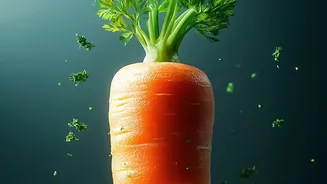
The moment you apply heat to a vegetable, you change its chemistry. The three biggest factors influencing nutrient loss are temperature, cooking time, and the amount of water used. Many vital nutrients are sensitive to heat and water. Water-soluble vitamins, like vitamin C and B vitamins, can easily leach out into cooking water, which is why boiling is often considered one of the worst methods for nutrient retention. Fat-soluble vitamins (A, D, E, and K) and certain minerals tend to be more stable, but even they can be degraded by very high heat and prolonged cooking times. However, cooking isn't always a bad thing; for some vegetables, like tomatoes and carrots, heating can break down tough cell walls, making antioxidants like lycopene and beta-carotene more available for our bodies to absorb.
Steaming: Gentle and Effective
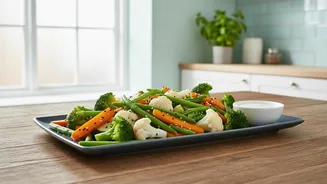
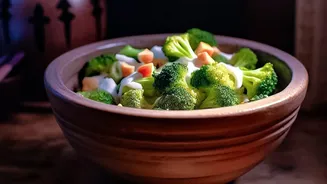
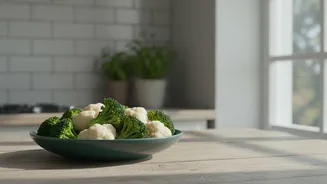
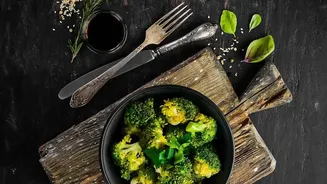
Steaming is hailed by many nutrition experts as a gold standard for preserving nutrients. The method uses indirect heat from boiling water, so the vegetables are not submerged. This significantly reduces the leaching of water-soluble vitamins. Studies, particularly on broccoli, have shown that steaming is exceptionally good at retaining compounds like vitamin C and glucosinolates (cancer-fighting compounds) compared to other methods. One study found that steaming was the only method out of five tested that caused no significant loss of vitamin C in broccoli. Because it uses lower temperatures than frying and avoids direct contact with water, it gently cooks the vegetables, preserving not only nutrients but also their natural colour and texture.
Stir-Frying: Fast but Fierce
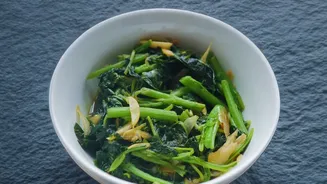
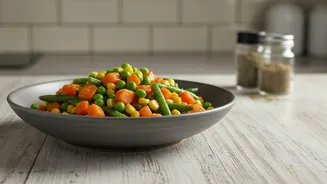
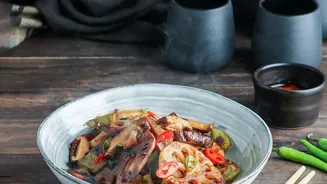
Stir-frying has its own benefits. It's incredibly fast, and the short cooking time can help lock in some nutrients. The use of oil can even help your body absorb fat-soluble vitamins (A, D, E, K) and certain antioxidants. However, the high heat involved can be a double-edged sword. While quick, the intense temperature can degrade heat-sensitive compounds. Research on broccoli has shown that stir-frying can cause significant losses of vitamin C and important glucosinolates. For some vegetables, like red peppers, stir-frying has been found to be better than steaming at preserving antioxidants, showing that the best method can vary by vegetable. But for many common greens, the high, direct heat is more destructive than the gentle, moist heat of steaming.
Practical Tips for Peak Nutrition
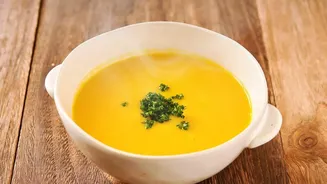
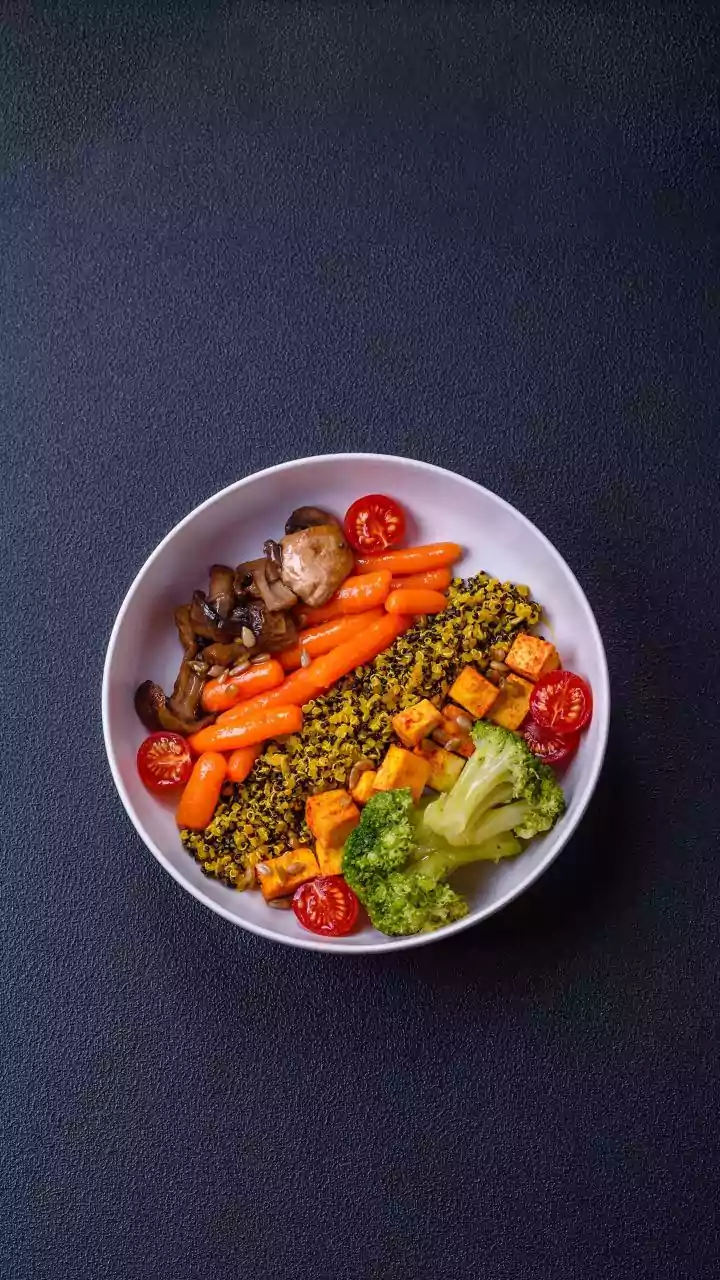
To get the most out of your vegetables, a few simple techniques can make a big difference. When steaming, use a steamer basket that keeps the vegetables completely out of the water. Aim for a 'tender-crisp' texture—overcooking will not only make vegetables mushy but also continue to degrade nutrients. For most chopped vegetables like broccoli or carrots, 5-7 minutes is often enough. Don't be afraid to experiment. While steaming is a champion for broccoli, some studies show boiling can make carotenoids in carrots more available. The key takeaway is to minimize cooking time and water use whenever possible. If you do boil vegetables, consider using the leftover nutrient-rich water as a base for soups or sauces to reclaim some of the lost vitamins.