
The Foundation of Flavour
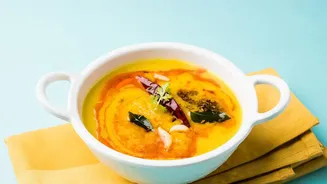
At its heart, tadka, also known as 'chaunk' or tempering, is the process of briefly frying whole or ground spices in hot fat like ghee or oil. This can be done at the beginning of cooking to create a flavour base or poured over a finished dish as an aromatic
garnish. The sound of mustard seeds popping or cumin crackling is the signal that something special is happening. That sizzle is the sound of flavour being born, as heat and fat work together to unlock the very essence of the spices.
The Chemistry of Aroma
Many of the aromatic compounds that give spices like cumin, coriander, and cloves their distinctive scents are fat-soluble, not water-soluble. This means they dissolve far more effectively in oil or ghee than in water. When you add spices to hot fat, the heat ruptures their tough cellular walls, releasing the volatile essential oils trapped inside. The fat then acts as a perfect carrier, capturing these aromatic molecules and distributing them evenly throughout the dish, ensuring a depth of flavour that simply adding dry spice powders to a water-based curry can never achieve.
Unlocking Therapeutic Potential
The magic of tadka extends beyond just flavour. It also makes the therapeutic compounds in spices more available to our bodies. Many beneficial nutrients in spices, such as vitamins A, D, E, and K, are fat-soluble. The fat in the tadka helps our digestive system absorb these nutrients more effectively. The most famous example is curcumin, the powerful anti-inflammatory compound in turmeric. Curcumin has low bioavailability on its own, but its absorption is significantly boosted when consumed with fat and piperine, a compound found in black pepper—two common ingredients in tadka.
The Art of the Perfect Tadka
While the science is consistent, the art of tadka varies across India's regions. The choice of fat—be it nutty ghee in Punjab, pungent mustard oil in Bengal, or coconut oil in the South—forms the first layer of regional identity. The order in which spices are added is also critical. Harder, whole spices like mustard and cumin seeds go in first, as they need more time to crackle and release their oils. More delicate ingredients like garlic, and fragile ground spices like turmeric or chilli powder, are added later for a shorter time to prevent them from burning and turning bitter.
A Symphony of Spices
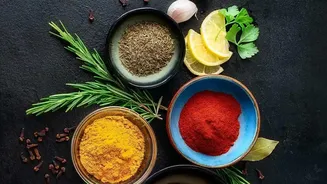
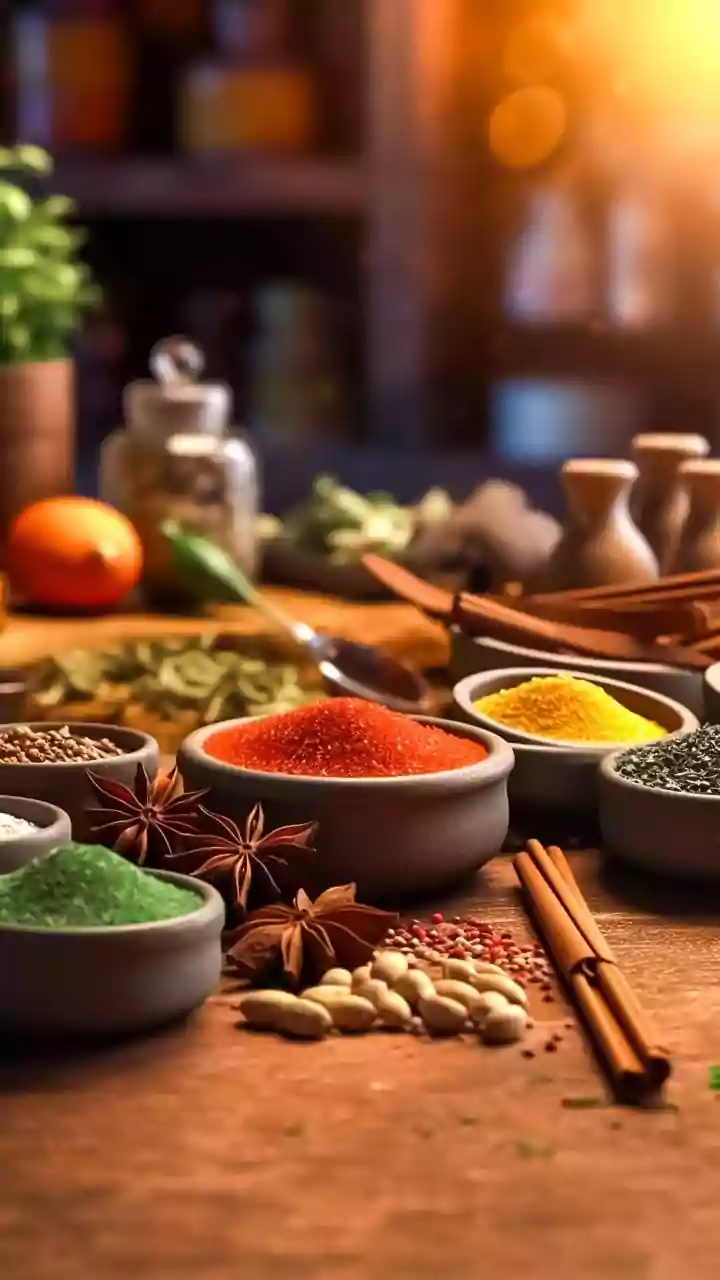
Common tadka spices are chosen not just for taste, but for their traditional health properties. Cumin is known to aid digestion and reduce bloating. Mustard seeds possess anti-inflammatory properties. Asafoetida (hing), often paired with lentils, is a potent anti-gas spice. Turmeric is a celebrated anti-inflammatory, while garlic offers anti-bacterial benefits. Through tadka, these individual benefits are unlocked and infused into the meal, turning everyday food into a source of wellness.