





The Science of 'Gains'
It feels productive to push through a tough workout every single day, but progress doesn't actually happen during the exercise itself. Intense activity, like strength training or HIIT, creates microscopic tears in your muscle fibres. The magic happens
afterward, during recovery. It's in this downtime that your body repairs those tears, building the muscle back stronger and more resilient than before. This process is called muscle protein synthesis. Without giving your body adequate time to do this repair work, you're essentially just breaking down muscle without giving it a chance to rebuild.
The Dangers of Overtraining
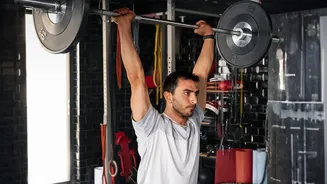
Ignoring your body's need for rest can lead to overtraining syndrome, a condition where the stress of exercise exceeds your body's ability to recover. The signs go beyond typical post-workout soreness. You might experience persistent fatigue, mood swings, difficulty sleeping, or a weakened immune system that makes you more susceptible to colds. Physically, performance can plateau or even decline; workouts that once felt manageable may start to feel unusually difficult. Chronic overtraining also significantly increases your risk of overuse injuries like stress fractures and tendonitis, which can sideline you for weeks or months.
Redefining Rest: Active Recovery
A rest day doesn't have to mean being glued to the couch. This is where the concept of 'active recovery' comes in. Active recovery involves low-intensity activity that promotes blood flow to your muscles without putting them under significant strain. This increased circulation helps deliver nutrients and flush out metabolic waste products, which can reduce muscle soreness and speed up the repair process. Think of it as a way to gently keep the body moving while still giving your primary muscles a break. This approach allows you to stay in the game mentally and physically, even on a 'rest' day.
Smart Ways to Rest in a Daily Challenge
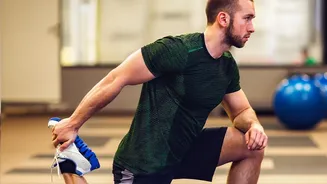
So, how do you honour a daily fitness challenge while still getting the rest you need? The key is to be strategic. You can swap a high-intensity day for an active recovery session. Instead of another HIIT workout, opt for a brisk walk, a gentle yoga class, swimming, or some light stretching and foam rolling. Another strategy is to rotate the muscle groups you work. If you did a heavy leg day, the next day could focus on upper body and core, giving your legs about 48 hours to recover, which is a general guideline for muscle repair. The goal is to listen to your body; if you feel unusually fatigued or sore, it's a sign to dial back the intensity, not push harder.