




The Challenge of Health in Space
Space is an unforgiving environment for the human body. Without Earth's gravity, astronauts face a barrage of health challenges. Muscles begin to waste away, and bone density plummets at a rate far exceeding that of osteoporosis on Earth. Fluids in the body shift
upwards, causing pressure changes in the eyes and brain. Add to this the constant exposure to cosmic radiation, the psychological stress of isolation, and a disrupted immune system, and it becomes clear why 'space medicine' is a critical field. Keeping astronauts healthy isn't just a requirement for a successful mission; it's a complex scientific problem that requires constant monitoring and innovative solutions. These extreme conditions effectively turn astronauts into subjects for studying an accelerated version of ageing, providing a unique window into human physiology.
A Landmark Indian Collaboration
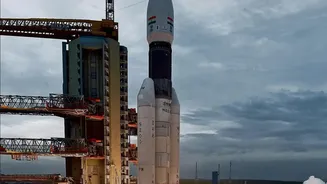
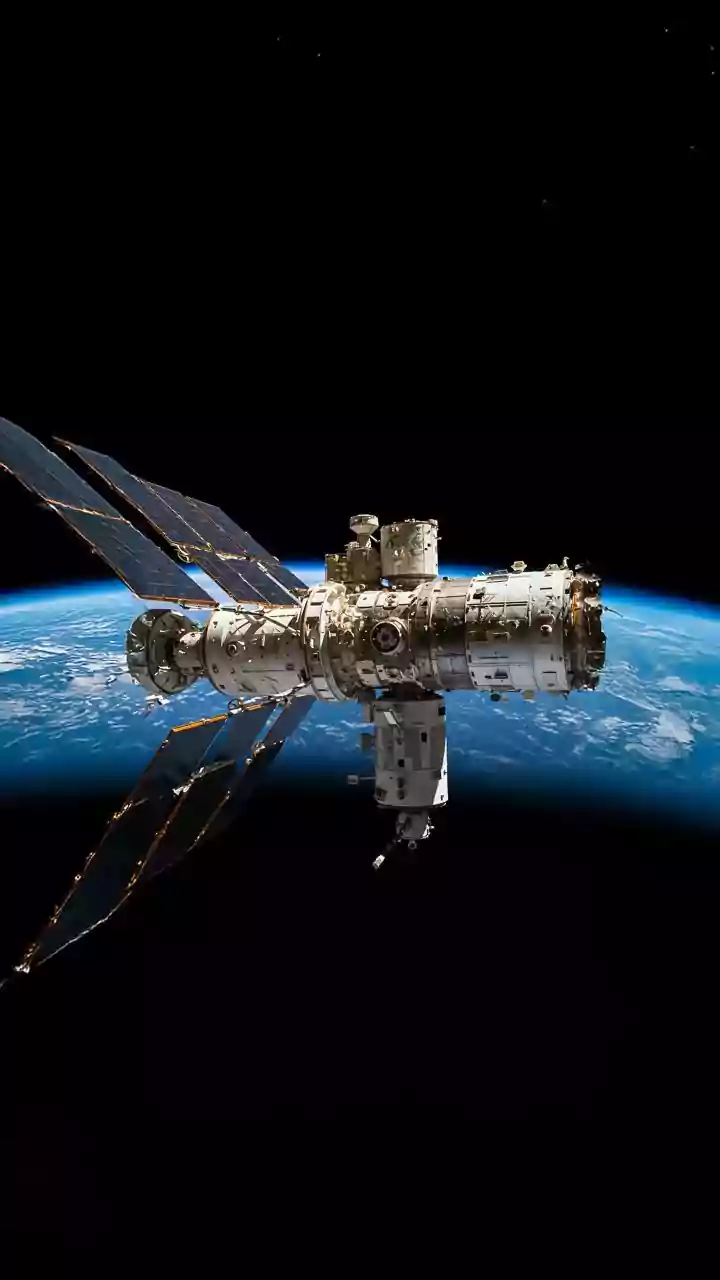
Recognising this challenge, the Indian Space Research Organisation (ISRO) has formally partnered with the All India Institute of Medical Sciences (AIIMS), New Delhi, to pioneer space medicine research in the country. This landmark Memorandum of Understanding (MoU) establishes a framework for joint research to support India's human spaceflight programme, including the upcoming Gaganyaan mission and the proposed Bharatiya Antariksh Station. The collaboration will focus on critical areas like cardiovascular health, bone loss, immunology, behavioural health, and the impact of microgravity on the human body. AIIMS will bring its vast medical expertise, while ISRO's Human Space Flight Centre will provide the context of space missions and access to crucial data. Together, they aim to develop medical protocols, specialised devices, and countermeasures to ensure astronaut health and safety during long-duration missions.
From the Stars to the Clinic
The benefits of this research extend far beyond the confines of a spacecraft. Many technologies we now take for granted in hospitals originated from the need to solve problems in space. For instance, the wearable sensors and telemetry systems used to monitor an astronaut's vitals in real-time are the predecessors of modern remote patient monitoring in ICUs and consumer fitness trackers. Research into bone density loss in astronauts has provided invaluable insights into treating osteoporosis on Earth. Similarly, studies on muscle atrophy help in managing conditions like sarcopenia and aid patients on prolonged bed rest. Even advancements like compact, portable ultrasound machines were driven by the need for medical imaging equipment that is lightweight and can be used by non-medical personnel in space. ISRO itself has a history of creating technology spin-offs for healthcare, including low-cost artificial limbs and ventilators.
Pioneering the Future of Indian Healthcare
The ISRO-AIIMS partnership is a forward-thinking investment in India's scientific and medical future. As AIIMS Director Prof M. Srinivas noted, the collaboration is expected to benefit patients, the nation, and ultimately, humankind. The insights gained will not only ensure the success of ambitious projects like Gaganyaan but will also trickle down into mainstream medical practice. For example, developing systems to manage health in a closed, isolated environment like a space station could improve infection control protocols in hospitals. Understanding the psychological impact of long-duration missions can inform better mental healthcare practices. The development of advanced telemedicine for astronauts, relaying vital health data across vast distances, will directly enhance healthcare delivery in India's remote and underserved areas. This synergy positions India to become a leader not just in space exploration, but in medical innovation driven by it.