





Your Home Is Not a Fortress
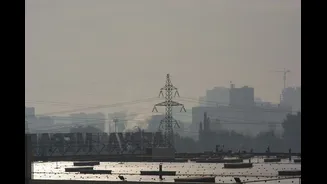
The first thing to understand is that indoor air is not automatically safe. On high-pollution days, the toxic outdoor air seeps inside, bringing with it harmful PM2.5 particles—pollutants so fine they can enter your bloodstream. These particles come from
vehicle exhaust, industrial emissions, and crop burning. A closed window in an unsealed frame offers little protection. Furthermore, daily activities like cooking with oil and burning incense can add to the indoor pollution load, sometimes making the air inside temporarily worse than the air outside.
First Step: Seal the Leaks
Before you spend a single rupee on gadgets, focus on sealing your home. This is the most effective first step. Polluted air is sneaky; it enters through tiny gaps around window frames, under doors, and through unused exhaust fan openings. You can use weather-stripping tape for windows and door seals to plug these gaps. Even a simple rolled-up towel at the bottom of a door can make a difference. By reducing the amount of polluted air getting in, you give your filtration systems a much better chance to work effectively.
Check Your AC and Its Filter
Your air conditioner is a powerful tool, but only if used correctly. During smog season, ensure your AC is set to 'recirculate' mode to avoid pulling in polluted outdoor air. More importantly, check its filter. Most standard ACs come with a basic mesh that only stops large dust. To fight smog, you need a better filter, which is graded by a MERV (Minimum Efficiency Reporting Value) rating. A higher MERV rating means the filter can trap smaller particles. Aim for a MERV 13 filter, as it is designed to capture fine particles like those in smoke and smog. However, check if your AC model can handle a denser filter, as it can strain the motor. An HVAC technician can confirm the highest MERV rating your system can safely use.
Understanding Air Purifiers: HEPA and CADR
For targeted cleaning, especially in bedrooms, a portable air purifier is essential. Look for models with a HEPA (High-Efficiency Particulate Air) filter. A true HEPA filter is certified to remove 99.97% of particles as small as 0.3 microns, which includes the dangerous PM2.5 category. The other key metric is CADR (Clean Air Delivery Rate), which tells you how quickly the purifier can clean a room. The CADR is measured in cubic feet per minute (CFM). To find the right size, use this simple rule: the purifier's CADR number should be at least two-thirds of your room's area in square feet. So, for a 300-square-foot room, you need a purifier with a CADR of at least 200.
Budget-Friendly and DIY Alternatives
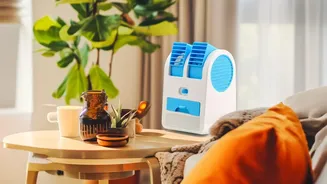
If investing in multiple purifiers is not feasible, you can create a highly effective DIY air filter. Research has shown that attaching a high-quality furnace filter (MERV 13 or higher) to the back of a standard 20-inch box fan can dramatically reduce indoor particle pollution. You simply tape the filter to the air-intake side of the fan. It’s an affordable way to get clean air in a pinch. Also, while not a substitute for filtration, some indoor plants like Areca Palm and Snake Plant can help modestly improve indoor air by absorbing certain toxins. Regular wet mopping and dusting also help remove settled particles before they can become airborne again.
Smart Habits for Cleaner Indoor Air
Finally, adopt habits that don't add to the indoor pollution load. Avoid burning anything indoors, including diyas and agarbattis, during peak smog. When cooking, especially frying or tadka, always use an exhaust fan to vent the fumes outside. Keep windows closed during high-pollution hours, which are typically in the morning and evening. Air quality is often slightly better in the early afternoon, which is the best time to briefly ventilate the house if needed. Running your air purifiers consistently, especially in the rooms you use most, will ensure you have a safe sanctuary from the smog outside.