




The Cosmetic Fix: A Temporary Illusion
When you see peeling paint or a discoloured patch, reaching for a bucket of so-called 'damp-proof' paint or applying a layer of putty feels like an easy win. The wall looks clean, the blemish is gone, and your home feels fresh again. This approach is tempting
because it’s fast, cheap, and provides instant gratification. However, this is nothing more than a cosmetic cover-up. Specialised paints might resist moisture for a short time, but they don't stop it. The water is still there, trapped inside the wall. Painting over dampness is like putting a bandage on a wound that needs stitches; it hides the problem but allows it to worsen underneath. The moisture continues to spread silently, compromising the structure of your home long before you see the next spot appear.
Understanding the Real Enemy: Water Ingress
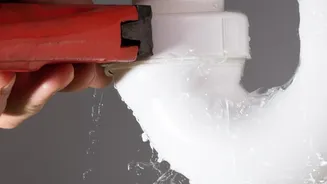
Dampness is just a symptom; the real disease is water ingress. Water is relentlessly finding a way into your home's structure. In India, common entry points include cracks in the exterior plaster, faulty or non-existent waterproofing on terraces and roofs, and gaps around windows. Another major, often-hidden culprit is plumbing. Tiny, slow leaks from pipes concealed within walls can saturate a large area before any drip is ever seen. Finally, there's 'rising damp', where groundwater is absorbed upwards into the walls through porous bricks and concrete, especially in buildings without a proper damp-proof course (DPC). Merely painting the interior wall does nothing to address these external or internal sources.
The Hidden Dangers of Lingering Damp
Ignoring the source of dampness has serious consequences. Structurally, persistent moisture weakens plaster and can lead to the corrosion of steel reinforcements inside concrete walls and slabs, compromising your building's strength over time. This can lead to sagging, cracking, and costly structural repairs down the line. The health risks are just as significant. Damp, dark environments are perfect breeding grounds for mould and mildew. Exposure to mould spores can trigger allergies, cause respiratory issues like coughing and wheezing, and worsen asthma, particularly in children and the elderly. The World Health Organization has established a clear link between indoor dampness and a range of respiratory health problems. That musty smell you notice is a clear sign that you are breathing in these harmful particles.
The Right Approach: Become a Water Detective
The only permanent solution is to find and block the water's entry point. Start by inspecting the exterior of your home, especially after rainfall. Look for cracks in the outer walls—even hairline ones can act as a channel for water. Check the condition of your terrace or roof. Are there cracks or areas where water pools? Examine the seals around windows and doors. Inside, pay attention to walls shared with bathrooms and kitchens, as these are common sites for hidden plumbing leaks. Identifying whether the damp is from penetrating rain, a leak, or rising from the ground will determine the correct repair strategy. For instance, rising damp often appears as a consistent band of moisture near the floor, sometimes with white, salty deposits called efflorescence.
Fixing the Source for a Lasting Solution
Once you've identified the likely cause, you can pursue a real fix. For cracks in exterior walls, the solution is to fill them properly with flexible, waterproof sealants and then apply a high-quality waterproof coating or paint to the entire external surface. For leaky terraces, a new layer of a robust waterproofing system—like a chemical coating or membrane—is necessary to create a complete barrier. If plumbing is the issue, it means getting a plumber to fix the leaking pipes, even if it requires breaking open a section of the wall. While these solutions are more involved and expensive upfront than a can of paint, they are the only way to truly solve the problem. They address the cause, not just the symptom, ensuring the dampness doesn't return.