



A New Era for Onboard Cleanliness
For years, ensuring consistent cleanliness on long-distance trains has been a significant challenge. While cleaning crews operate at stations and on board, passenger experiences can vary widely. To address this, the NFR has become the second zonal railway
in the country to launch an enhanced monitoring system that moves beyond traditional checks. This new model relies on direct, real-time feedback from travellers, combined with digital supervision and even Artificial Intelligence, to ensure that housekeeping standards are not just met, but consistently maintained throughout the entire journey. The goal is to create a more accountable and responsive system where passenger satisfaction is the ultimate measure of success.
How the System Works
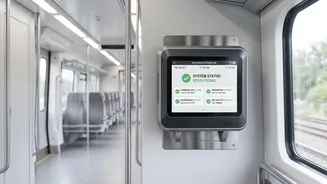
The initiative empowers passengers to become active participants in quality control. The system uses a combination of passenger feedback and digital tools to create a closed-loop process for complaint resolution. Travellers can provide real-time feedback and star ratings, allowing officials to quickly gauge service quality. In addition to passenger input, the system incorporates digital monitoring of the housekeeping staff, geo-tagged service verification to confirm tasks are completed at specific locations, and AI-based assessments to analyse cleanliness levels objectively. This digital oversight ensures that supervisors are immediately aware of any shortcomings. NFR has set an ambitious two-hour target for resolving any passenger complaint related to cleanliness or hygiene, from dirty washrooms to waste management. If the issue is not addressed within that window, it is automatically escalated to higher railway authorities for intervention.
The Five Pilot Trains
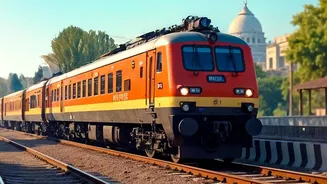
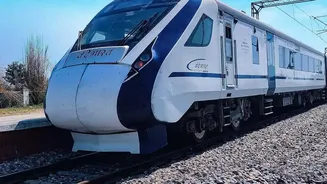
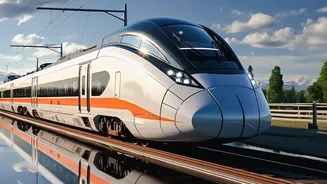
This enhanced service has been launched on five crucial long-distance and superfast trains under the NFR zone, including two popular Vande Bharat Express services. The initiative was rolled out in a phased manner starting from October 10, 2026. The five trains selected for this pilot program are: the New Jalpaiguri–Patna Vande Bharat Express, the New Jalpaiguri–Guwahati Vande Bharat Express, the Guwahati–Kolkata Garib Rath Express, the Dibrugarh–Mumbai LTT Express, and the Kamakhya–SMVT Bengaluru Express. These services were chosen to test the effectiveness of the new system across different types of trains and routes, covering both premium and high-demand services.
Beyond Cleaning: A Holistic Approach
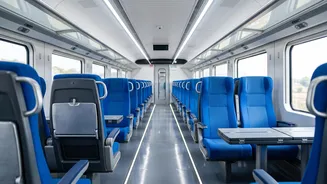
The scope of this initiative extends beyond just sweeping floors and cleaning toilets. It aims to improve the overall passenger experience by focusing on a range of onboard services. This includes the regular cleaning of coach interiors and AC windows, improved maintenance of all washroom facilities, more efficient waste management and disposal protocols, and the timely distribution and collection of fresh linen. Furthermore, dedicated teams onboard these trains will also provide basic technical assistance for minor issues and are responsible for monitoring the availability of water in the coaches and washrooms. This holistic approach ensures that multiple aspects of passenger comfort are addressed simultaneously, leading to a more pleasant and hygienic travel environment from start to finish.
The Bigger Picture: Accountability and Expansion
By integrating technology like AI, geo-tagging, and direct passenger feedback, Indian Railways is building a more transparent and accountable system. The data collected provides railway officials with clear, actionable insights into the performance of housekeeping services, helping them identify recurring problems and areas that require improvement. This move is part of a broader push within Indian Railways to modernise its operations and place a greater emphasis on passenger satisfaction. While this initiative is currently limited to five trains in the NFR zone, its success will be closely watched. If the pilot proves effective in raising hygiene standards and improving passenger experiences, it could serve as a model for a nationwide rollout across the entire railway network.