



Choose a Homestay, Not a Hotel
The single most important choice for an authentic experience is your accommodation. Opting for a family-run homestay over a hotel is the key to unlocking local life. These are not just rooms; they are invitations into a Himachali home. You will share
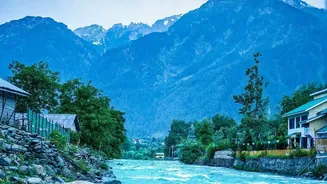
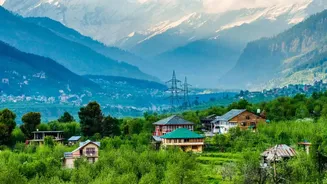
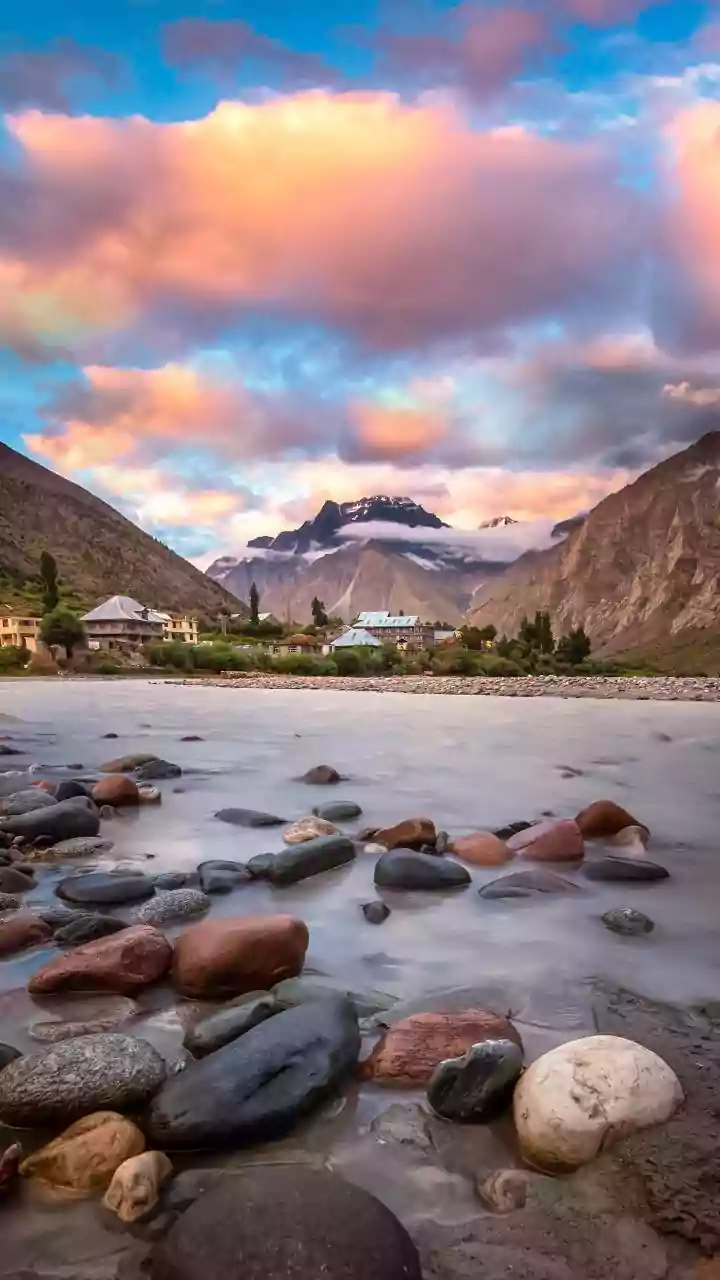
meals prepared in the family kitchen, learn about daily routines, and hear stories about the valley. Homestays in villages like Gushaini, Nagini, and Shoja offer simple comforts but immense rewards, including waking up to mountain views and the sound of the river. Staying with a local family ensures your money directly supports the community and gives you a connection that a resort never could.
Savour the Authentic Flavours of the Valley
Himachali cuisine is hearty, flavourful, and deeply connected to the land. In Tirthan, the star is undoubtedly fresh river trout, often marinated in local spices and grilled or fried. Ask your homestay host to prepare a traditional 'Dham', a multi-course meal typically served during festivals. This feast may include dishes like Madra (a yogurt-based chickpea curry), and lentils, all cooked with locally produced mustard oil and ghee. Don't miss out on Siddu, a steamed wheat bun stuffed with poppy seeds or walnuts, best enjoyed hot with a dollop of ghee or a tangy chutney. For breakfast, try Chilra or Patande, which are local pancakes made from buckwheat flour, often served with wild honey.
Go Beyond Sightseeing: Walk, Talk, and Participate
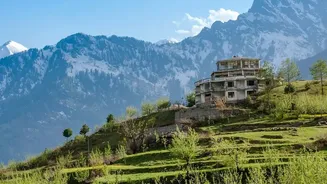
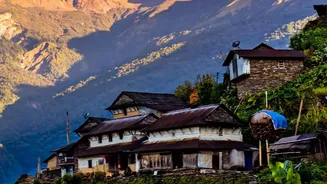
The true essence of Shoja and Tirthan is found in unhurried exploration. Instead of rushing between viewpoints, take a village walk. Stroll through the lanes of Shoja or Gushaini to admire the traditional Kath-Kuni architecture—interlocking wood and stone structures built to withstand earthquakes. Hike to nearby attractions like the ancient Chehni Kothi tower temple or the serene Serolsar Lake, reached via a beautiful forest trail from Jalori Pass. Engage with the locals; a simple greeting can lead to a long conversation. If you're staying on a farm, ask if you can observe or help with daily chores like tending to apple orchards. This hands-on approach offers a far richer understanding of the local way of life.
Explore the Pristine Natural Landscape
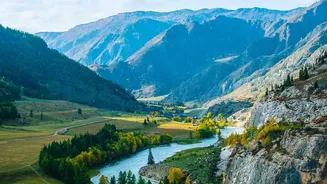
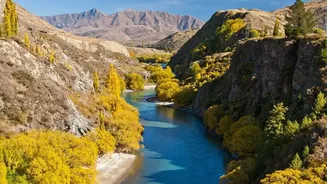
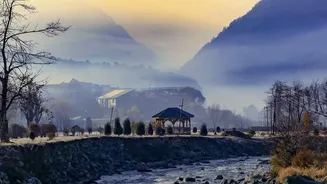
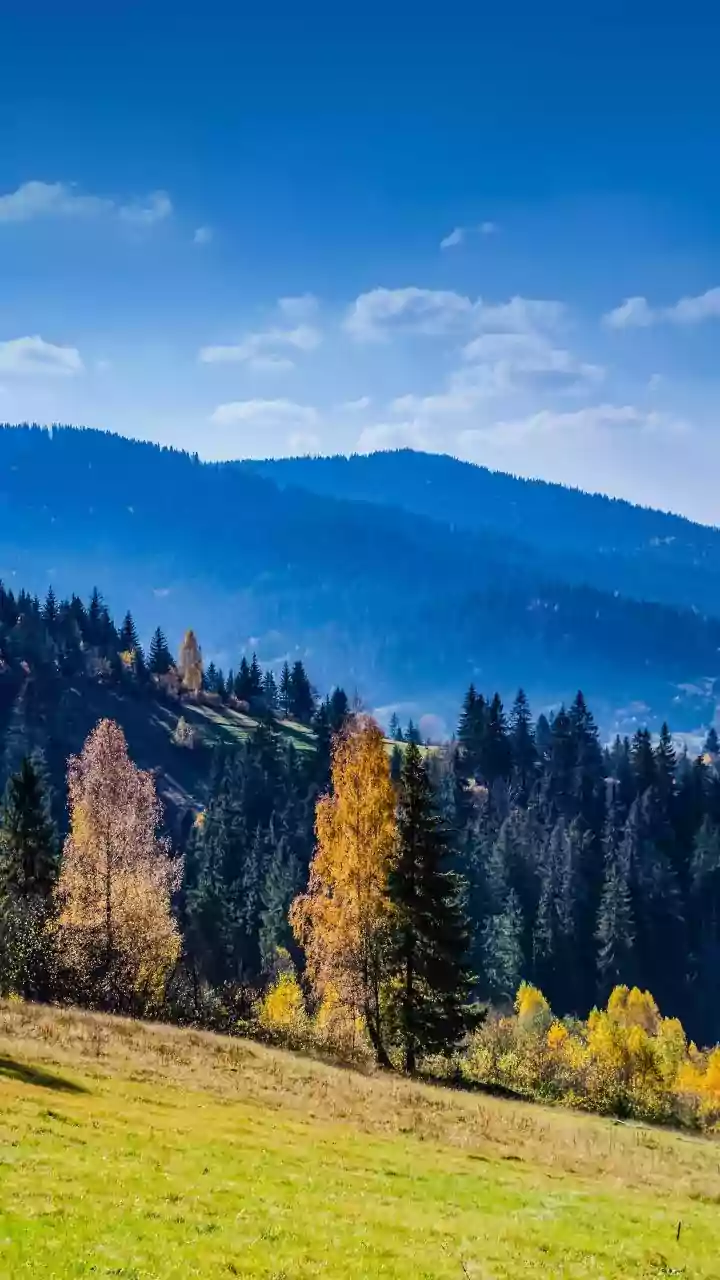
Both Shoja and Tirthan are gateways to the Great Himalayan National Park (GHNP), a UNESCO World Heritage Site. While core zone treks require permits, numerous trails in the surrounding eco-zone offer stunning scenery and opportunities for birdwatching. A short walk from Shoja leads to a charming waterfall hidden in the forest. In Tirthan, spend an afternoon by the river, trying your hand at angling for trout or simply enjoying the peaceful sounds of flowing water. The drive or trek up to Jalori Pass offers spectacular panoramic views of the Himalayas, and the meadows near Raghupur Fort are perfect for a quiet picnic.
Travel with Respect and Responsibility
Experiencing local life means being a conscious traveller. The Himalayas are a fragile ecosystem, so it's crucial to minimize your impact. Carry a reusable water bottle to avoid single-use plastics, as waste management is a major challenge in mountain villages. Pack out everything you pack in, leaving no trace on trails. Always ask for permission before photographing people, especially elders. Dressing modestly, especially when visiting temples or homes, shows respect for local customs. By hiring local guides and buying local handicrafts, you contribute directly to the sustainable development of the community you've come to experience.