



The Vande Bharat Advantage
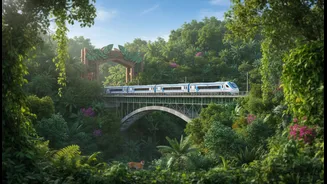
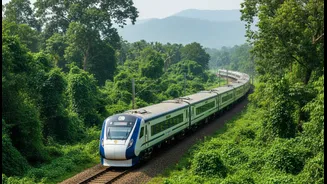
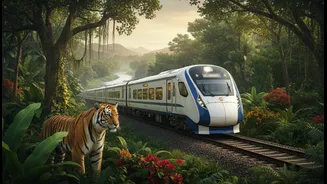
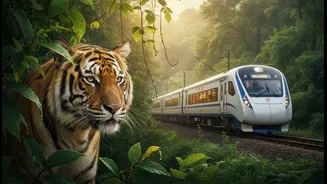
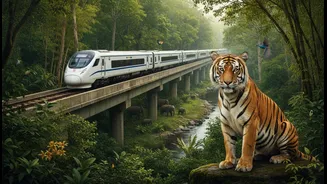
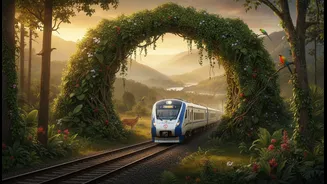
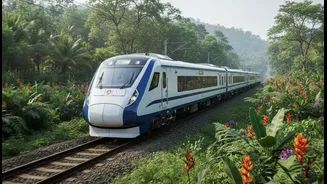
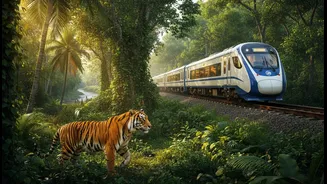
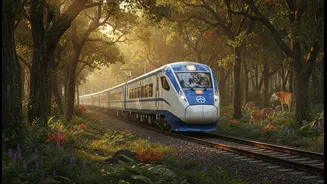
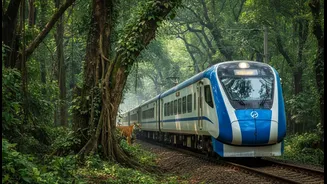
The Vande Bharat Express has become a symbol of modern Indian rail travel, and its impact extends beyond cutting down transit times for business commuters. These semi-high-speed trains are making wildlife holidays more accessible and convenient than ever
before. With their enhanced comfort, reduced travel times, and expanding network, they are bridging the gap between major urban centres and the gateways to India’s iconic national parks. For many, this means a weekend trip to a tiger reserve, previously a logistical challenge involving long drives or multiple modes of transport, is now a comfortable overnight journey away. The trains boast modern amenities like reclining seats, large panoramic windows for scenic views, clean bio-toilets, and on-board catering, transforming the journey itself into a pleasant part of the vacation.
Your Guide to Key Wildlife Circuits
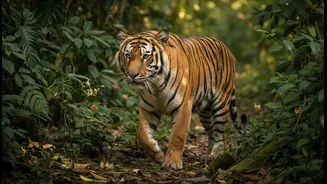
While the trains don't pull up directly inside the parks, they connect to nearby railway stations, significantly shortening the final leg of the journey which is typically completed by road. Travellers can now conveniently reach some of India's most celebrated wildlife sanctuaries. For a chance to see the Asiatic lion, take the Vande Bharat to Veraval, the nearest station to Gir National Park in Gujarat, just 45 km away. To spot tigers against a historic backdrop, the route to Sawai Madhopur Junction provides excellent access to Rajasthan's Ranthambore National Park. In the south, a trip to Mysuru connects you to the rich biodiversity of Bandipur National Park, about an 80 km drive from the station. For those heading to the Himalayan foothills, the train to Dehradun is a gateway to Jim Corbett National Park, India's oldest national park. Even the famed one-horned rhinoceros of Kaziranga National Park in Assam is more accessible via a Vande Bharat journey to Guwahati.
Tips for the Family on Board
For families, the Vande Bharat is a game-changer. The journey becomes less about endurance and more about enjoyment. The enclosed, air-conditioned coaches offer a safe and clean environment for children. The pre-booked meals eliminate the hassle of packing food, and the smooth, relatively quiet ride ensures comfort for all ages. Use the large windows to turn the journey into a scenic prelude to the safari, spotting changing landscapes from urban sprawl to rural fields. The GPS-based passenger information system can be a fun way for older kids to track the journey's progress. Booking an Executive Class ticket can provide more legroom and rotating seats, which can be configured to face each other, creating a cozy family nook for the duration of the trip. This level of comfort makes wildlife travel less daunting and more appealing for families with young children.
A Treat for the Rail Enthusiast
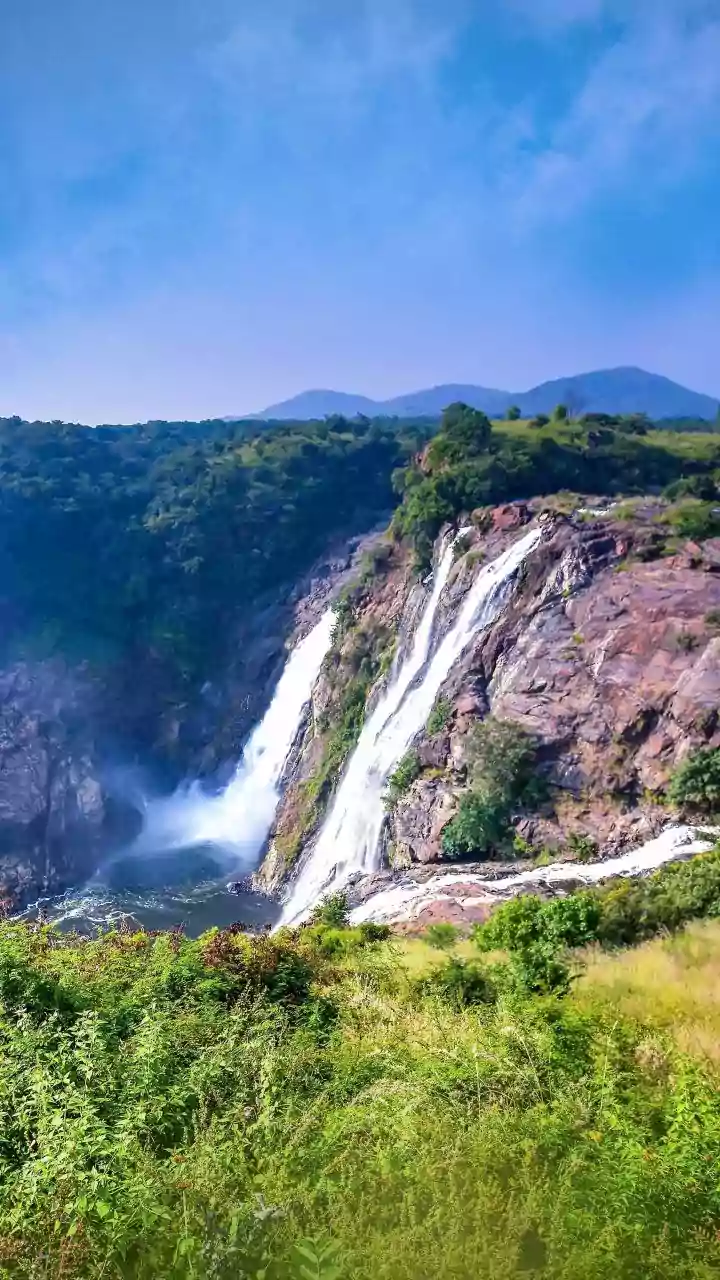
For the rail enthusiast, the Vande Bharat is not just a means to an end—it's a destination in itself. These trains are a showcase of indigenous Indian engineering under the 'Make in India' initiative, capable of reaching speeds up to 160 km/h. The experience is about more than just speed; it's about appreciating the modern technology, from the aerodynamic design and regenerative braking system to the automatic doors and advanced driver cabin systems. Many routes offer spectacular scenic beauty, transforming the trip into a visual feast. The coastal Mangaluru-Madgaon route offers views of the Arabian Sea on one side and the Western Ghats on the other, while the Delhi-Dehradun line showcases the transition from plains to the Shivalik foothills. The journey becomes an opportunity to document and appreciate the next generation of Indian Railways in action, all while heading towards another great adventure in the wild.
Planning Your Vande Bharat Safari
To make the most of this opportunity, a little planning goes a long way. First, identify the park you wish to visit and find the corresponding Vande Bharat route and nearest station. Book your train tickets well in advance, especially during peak seasons and long weekends, as they sell out quickly. The next crucial step is to arrange the 'last mile' travel. Pre-book a reliable local taxi or check for bus services from the destination station to your resort or the park entrance. It is also wise to align your travel with the best time to visit the specific national park for optimal wildlife sightings. For example, the winter months from December to March are ideal for Gir, while parks like Corbett are best visited between November and June. Factoring in these elements ensures your getaway is smooth, from the moment you step onto the train to your first safari.