


The Heart of the Proposal
A consensus statement signed by 29 of India's leading doctors and public health specialists is urging a significant shift in the country's approach to salt. The core recommendation is to integrate low-sodium salt substitutes (LSSS) into national health strategies.
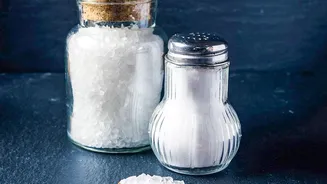
The primary target is the salt shaker in every home, as nearly 80% of sodium intake in India comes from salt added during cooking. The panel suggests that the Food Safety and Standards Authority of India (FSSAI) should formally recognise potassium-enriched salt as an 'edible salt', paving the way for its widespread adoption in households, mid-day meals, and other government food programmes.
Why is This Necessary?
The proposal directly targets a major public health crisis: hypertension. India has a significant burden of high blood pressure, with over 199 million people affected. This is largely driven by diet. The average salt consumption in India is estimated to be between 8 to 11 grams per day, which is double the World Health Organization's (WHO) recommended limit of 5 grams. This excessive sodium intake is a primary cause of high blood pressure, which in turn dramatically increases the risk of cardiovascular diseases like heart attacks and strokes, as well as kidney disease. Experts believe that reducing the nation's salt intake is one of the most effective ways to prevent millions of premature deaths.
What Are Low-Sodium Salts?
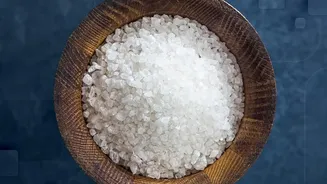
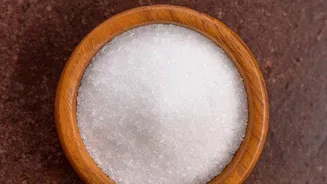
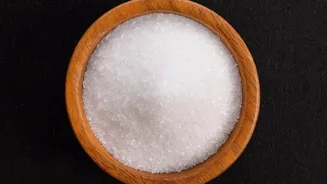
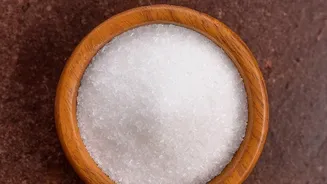
Low-sodium salt substitutes are not a complex new invention. They look, taste, and cook just like regular table salt. The key difference is their chemical composition. Instead of being 100% sodium chloride (regular salt), they are typically a blend of about 70-75% sodium chloride and 25-30% potassium chloride. This simple change has a dual benefit: it reduces the amount of sodium you consume while simultaneously increasing your intake of potassium. Potassium is a vital mineral that helps counteract sodium's effects and can help relax blood vessel walls, further contributing to lower blood pressure. Most Indians consume less than half the recommended daily amount of potassium.
The Potential Benefits and Risks
The health benefits are significant. Large-scale studies have shown that making the switch to potassium-enriched salt can lead to substantial reductions in blood pressure. One major study showed it could cut the risk of stroke by 14% and death from cardiovascular events by 12%. For this reason, some experts have called LSSS a 'dietary vaccine' for hypertension. However, it's not a solution for everyone. People with severe chronic kidney disease have a reduced ability to excret potassium, and an increase in intake could lead to dangerously high levels in their blood (hyperkalemia). The expert panel acknowledges this, recommending safeguards and clear labelling, though stressing that for the vast majority of the population, the benefits far outweigh the risks.
What This Means for Your Kitchen
Currently, the proposal is a recommendation, not a mandate. The next step would be for the FSSAI to consider these expert opinions and potentially create new regulations. For consumers, the biggest hurdles are awareness, availability, and cost. Low-sodium salts have been available in some Indian markets for years but are not widely used or known. A recent study found they were available in just 28% of retail outlets surveyed and were more than double the price of regular iodised salt. Proponents of the new policy argue that government support, such as subsidies and use in public food programs, could help bring costs down and make these healthier alternatives accessible to everyone.