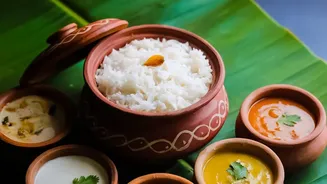






Along India’s verdant Konkan coast, a culinary tradition thrives, centred around the humble coconut. But these aren't just heritage recipes; Konkani coconut curries are a powerhouse of plant-based nutrition perfect for today's health-conscious diner.
A Taste of the Konkan Coast
Stretching along the western coastline of India, the Konkan region—encompassing parts of Maharashtra, Goa, and Karnataka—is a land of sun, sea, and incredible biodiversity. Its cuisine is a direct reflection of this environment: deeply rooted in local, seasonal produce, with rice, seafood, and coconut as its cornerstones. For generations, Konkani households have mastered the art of using freshly grated coconut and coconut milk to create gravies that are both flavourful and comforting. This culinary tradition, shaped by local ingredients and centuries of know-how, offers a delicious gateway into a diet that is naturally light and wholesome.
Coconut: The Plant-Based Hero
The star of any Konkani curry is undeniably the coconut. Used in various forms—freshly grated paste, creamy milk, or dry-roasted—it provides a luscious texture and a subtly sweet base that balances the heat of local spices. Far from being an unhealthy indulgence, coconut is a nutritional powerhouse. It is packed with healthy fats, primarily medium-chain triglycerides (MCTs), which the body can absorb and convert into energy more efficiently than other fats. These fats are known to support cognitive function and provide a clean, sustained energy source. Additionally, coconut meat is a great source of dietary fibre, which aids digestion and helps in maintaining stable blood sugar levels. It's also rich in essential minerals like manganese, copper, iron, and selenium, which are vital for bone health, forming red blood cells, and protecting cells from damage.
The Nutritional Genius of the Curry
What makes these curries so special is the synergy between coconut and the other ingredients. When combined with vegetables and lentils, they create a complete, plant-based meal. Indian vegetarian cuisine has a long history of creating protein-rich meals without meat, relying on lentils and legumes. A Konkani vegetable curry is a perfect example. The healthy fats from coconut help the body absorb fat-soluble vitamins from the vegetables, while the combination of fibre from both coconut and vegetables promotes satiety and good gut health. The spices used, such as turmeric, coriander, cumin, and curry leaves, are not just for flavour; they bring their own set of health benefits, including anti-inflammatory and antioxidant properties that help protect the body.
A Culinary Tour: From Khatkhate to Sol Kadhi
To truly appreciate the cuisine, one must taste its iconic dishes. 'Khatkhate' is a celebrated mixed vegetable stew from the region. Often made during festivals, it features a medley of at least five seasonal vegetables, including tubers and gourds, simmered in a gravy of coconut, lentils, and spices like the unique 'teppal' or Sichuan pepper. This dish is a perfect illustration of a balanced, one-pot meal that is both delicious and incredibly nutritious. Another cornerstone of Konkani cuisine is 'Sol Kadhi'. This vibrant pink, refreshing drink is made from coconut milk and the souring agent kokum. Traditionally consumed after a meal, it acts as a digestive aid, cooling the system and promoting gut health thanks to kokum's antioxidant properties and the healthy fats in coconut milk.