




Is It a Sprain or a Fracture?
It can be surprisingly difficult for a layperson to distinguish between a severe sprain and a fracture. Symptoms like pain, swelling, and bruising are common to both. However, signs like a grinding sensation, an obvious deformity, or the inability to bear
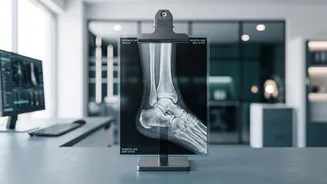
any weight are strong indicators of a fracture that require immediate medical attention. Even hairline fractures, which might seem minor, can worsen without proper treatment. An orthopedic specialist can perform a physical assessment and use diagnostic imaging like X-rays to get a clear and accurate diagnosis, removing all guesswork. This initial evaluation is the critical first step toward proper healing.
The Dangers of Improper Healing
The greatest risk of forgoing professional care is that the bone may not heal correctly. For a fracture to mend properly, the broken ends need to be perfectly aligned and stabilized. Without this, two major complications can occur. The first is 'malunion', where the bone heals but in an incorrect position—it could be bent, twisted, or shortened. This can lead to chronic pain, visible deformity, and loss of function. The second, more severe complication is 'nonunion', where the bone fails to heal at all. After months, the gap between the broken pieces remains, causing persistent pain, weakness, and instability that often requires more complex surgical intervention like bone grafts.
Hidden Risks and Complications
Beyond improper healing, untreated fractures pose other serious threats. A broken bone's sharp edges can damage surrounding nerves, blood vessels, and muscles. This can lead to issues ranging from numbness and poor circulation to long-term muscle weakness. In an 'open' fracture, where the bone breaks through the skin, the risk of infection is extremely high and requires immediate medical intervention to prevent it from spreading. One of the most severe, though rare, complications is compartment syndrome, a painful condition where swelling and pressure build up within a muscle group, cutting off blood supply and potentially leading to permanent tissue damage or even amputation if not treated urgently.
Why Follow-Up Care Is Non-Negotiable
Getting a cast or having surgery is just the beginning of the recovery process. The follow-up phase is just as crucial for a successful outcome. Regular appointments allow your doctor to monitor the healing process with follow-up X-rays, ensuring the bone is mending correctly and that there are no signs of complications. These check-ups are also when important decisions are made about adjusting treatment, such as when it's safe to start putting weight on the limb or when to transition from a cast to a brace. Skipping these appointments can lead to setbacks, such as joint stiffness or muscle atrophy from prolonged immobilization.
The Road Back to Full Function
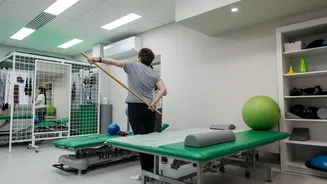
Finally, professional care provides a guided path back to your normal life. Once the bone has healed sufficiently, rehabilitation is often necessary to restore strength, flexibility, and range of motion. Muscles and joints become weak and stiff after being immobilized, and a physical therapist can design a specific regimen of exercises to help you regain full function safely. This guided rehabilitation reduces the risk of re-injury and helps you return to daily activities, work, and sports with confidence. Without this professional oversight, you might push yourself too hard too soon or fail to regain the stability needed for your pre-injury lifestyle.