



The Cauldron of Sydney
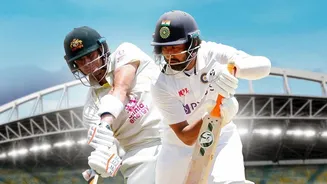
The 2007-08 series between Australia and India was already simmering with tension. Australia, at the peak of its powers, was chasing a record-equalling 16th consecutive Test win. The series was played with a fierce, often abrasive, intensity. The second
Test in Sydney was a crucible of controversy even before the main event, marked by a series of contentious umpiring decisions that left the Indian team feeling aggrieved. The atmosphere was ripe for a confrontation, and on the third day of the match, it arrived. The stage was set not just for a cricketing contest, but for a clash of cultures, personalities, and power.
The Flashpoint: A War of Words
While Indian off-spinner Harbhajan Singh was batting, he had a verbal exchange with Australian all-rounder Andrew Symonds. What was said became the heart of the scandal. The Australian team, led by captain Ricky Ponting, alleged that Harbhajan had called Symonds, the team's only player of Caribbean descent, a 'monkey'. For Symonds and the Australian side, the term was a deeply offensive racial slur, made more sensitive by the fact Symonds had faced monkey chants from crowds during a previous tour of India. Harbhajan vehemently denied using the racist term. The incident halted play as umpires intervened, and at the end of the day, Australia lodged a formal complaint.
The Ruling and the Reaction
Match referee Mike Procter conducted a hearing and, based on the testimony of the Australian players, found Harbhajan guilty of a Level 3 racial abuse charge. He handed down a three-Test ban. The verdict caused an immediate and explosive reaction from the Indian camp. The Board of Control for Cricket in India (BCCI) was incensed, viewing the ban as an injustice based on unsubstantiated claims. They threatened to pull the team out of the tour and return home, a move that would have had massive diplomatic and financial repercussions. The Indian team, under captain Anil Kumble, felt they had been wronged, with Kumble famously stating that only one team was playing in the spirit of the game.
Tendulkar's Pivotal Testimony
The scandal hinged on an appeal hearing presided over by New Zealand High Court judge John Hansen. The key witness was Sachin Tendulkar, who was batting with Harbhajan when the exchange occurred. In the initial hearing, Tendulkar had said he couldn't hear the specifics. However, in the appeal, his testimony was crucial. Tendulkar stated that Harbhajan had not used the word 'monkey' but had used a common North Indian slang phrase, "Teri maa ki," in anger after being provoked by Symonds. This, while abusive, was not racial. Tendulkar’s account directly contradicted the Australian players' claims and provided a crucial alternative explanation.
The Aftermath and Lingering Legacy
Based on the lack of conclusive evidence and Tendulkar's testimony, Justice Hansen downgraded the charge from racial abuse to the lesser offence of using abusive language. Harbhajan's three-match ban was overturned and replaced with a fine of 50% of his match fee. The tour continued, but the scars remained. The incident deeply affected Symonds, who later said it contributed to his disillusionment with the game. It also strained relationships between players, with some Australian players reportedly losing respect for Tendulkar over his role in the appeal. Monkeygate became a watershed moment, forcing the International Cricket Council (ICC) to re-examine its code of conduct and processes for handling on-field disputes, particularly those involving allegations of racism. It was a brutal lesson in how on-field aggression could spiral into an international incident, forever changing the dynamic between the two proud cricketing nations.