






The Unsung Hero in Your Neck
The thyroid gland is your body's master metabolic regulator. It produces hormones that control everything from your heart rate and body temperature to how efficiently you burn calories. To manufacture these crucial hormones, your thyroid needs a steady
supply of iodine, a micronutrient your body cannot produce on its own. Without enough iodine, the entire system can slow down, leading to a condition called hypothyroidism, or an underactive thyroid. This makes iodine a non-negotiable part of a healthy diet.
Recognising the Signs of Deficiency
Iodine deficiency can be subtle at first, but its symptoms grow more pronounced over time. Common signs include unexplained weight gain, constant fatigue, feeling unusually cold, dry skin, and hair loss. One of the most classic indicators is a goitre—a visible swelling in the neck caused by the thyroid gland enlarging as it works overtime to capture whatever little iodine it can find. For pregnant women, the stakes are even higher, as a deficiency can impair foetal brain and bone development. In children, it can lead to learning difficulties and reduced cognitive function.
India's Public Health Success Story
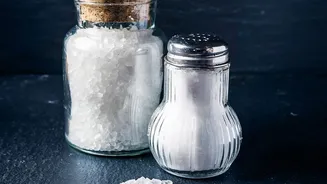
Recognising the widespread risk, India launched the National Goitre Control Programme back in 1962, which was later renamed the National Iodine Deficiency Disorders Control Programme (NIDDCP) in 1992. The strategy was simple but brilliant: fortify a dietary staple that everyone consumes—salt. Universal Salt Iodisation (USI) became the cornerstone of the government's effort to eliminate iodine deficiency. This public health initiative is considered a major success, with over 90% of Indian households now consuming iodised salt, dramatically reducing severe deficiency disorders.
How Much Iodine Is Enough?
The recommended daily intake for adults is around 150 micrograms (mcg). This need increases significantly for pregnant women, who require about 220-250 mcg, and breastfeeding mothers, who need around 290 mcg to ensure their baby receives enough through breast milk. Just half a teaspoon (about 3 grams) of iodised salt is typically enough to meet an adult's daily requirement, making it an incredibly efficient way to prevent deficiency. However, it's important not to consume excessive amounts of salt in the process; the goal is to use iodised salt in moderation as part of a balanced diet.
Are All Salts Created Equal?
In today's market, consumers are faced with a variety of gourmet salts, from pink Himalayan to black sea salt. While these may be aesthetically pleasing, they are often poor sources of iodine. Standard table salt is fortified with iodine, but many specialty salts are not, unless the label explicitly states they are 'iodised'. Relying exclusively on these unfortified salts can inadvertently lead to iodine deficiency. For this reason, checking the packaging to ensure your salt is iodised remains a critical step for safeguarding your thyroid health.
Beyond Salt: Other Dietary Sources
While iodised salt is a reliable source, it's not the only one. A well-rounded diet can also help you meet your iodine needs. Good natural sources of iodine include seafood like fish and shellfish, dairy products such as milk and yoghurt, and eggs. Seaweed, particularly varieties like kombu and wakame, is exceptionally rich in iodine. However, the amount of iodine in plant-based foods like grains and vegetables can vary widely depending on the iodine content of the soil in which they were grown. For most people, a combination of iodised salt and a varied diet is the best approach.