

The End of the 'Matching Set' Era
Walk into a newly designed Indian home, and you might notice the sofa no longer reigns as the undisputed king of the living room. For decades, the ideal was clear: a perfectly coordinated set of furniture, often a sofa with matching armchairs and a centre
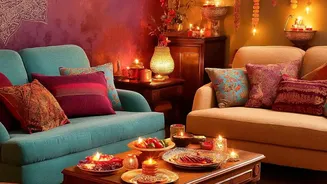
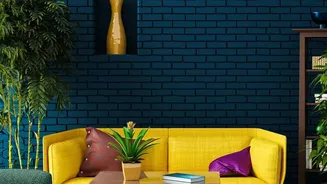
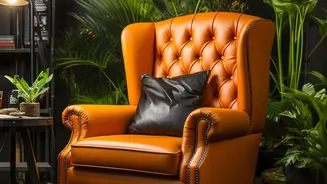
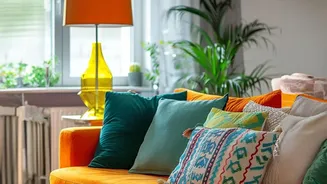
table, all purchased together. It was a symbol of putting a home together, a sign of completeness. But this uniform approach is being replaced by a more curated, eclectic style. Homeowners are now intentionally mixing styles, eras, textures, and colours to create spaces that feel dynamic and deeply personal. Instead of one large, dominant sofa, you're more likely to find a comfortable couch paired with a distinct accent chair, a vintage bench, and perhaps a cluster of nesting tables, each with its own character.
A Home That Tells Your Story
This shift is about more than just aesthetics; it's about a fundamental change in how we view our homes. The modern Indian homeowner wants a space that reflects their personality, travels, and history. They are moving away from the 'one-size-fits-all' approach and towards interiors that tell a personal story. A home is increasingly seen as a canvas for self-expression, where every object has a purpose or a memory attached. It might be a hand-carved cabinet from a grandparent, a rug from a memorable trip, or a piece of art from a local fair. This approach values depth and authenticity over fleeting trends, creating a space that feels 'lived-in' rather than staged for a catalogue. The goal is no longer perfection, but personality.
Global Trends, Indian Soul
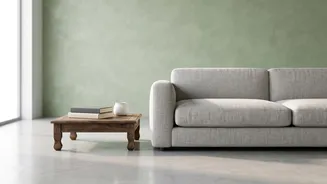
The eclectic trend is global, but in India, it finds a unique expression. It’s not just about copying a Scandinavian or bohemian look seen online, but about adapting these ideas with a distinctly Indian sensibility. India’s rich history of craftsmanship, with its diverse textiles, carvings, pottery, and metalwork, provides a vast palette to draw from. A sleek, modern sofa might be paired with a vintage sheesham wood side table, or a minimalist layout might be warmed by a colourful hand-woven dhurrie. Traditional art forms like Madhubani or Warli paintings are being used as statement pieces in contemporary settings. This fusion combines the clean lines of modern design with the warmth and intricacy of Indian heritage, creating a style that feels both worldly and rooted.
The Joy of Collecting Over Time
Part of the appeal of the mismatched look is the process itself. Instead of a single, expensive shopping trip to furnish a room, this new approach encourages collecting pieces gradually. It champions the joy of the hunt—finding a unique chair in a local market, commissioning a piece from an artisan, or discovering a quirky lamp in a small online store. This 'slow interiors' philosophy prioritises buying fewer, better things that are meant to last. It's a more sustainable and conscious way of consuming, moving away from disposable, trend-chasing decor. This slower, more intentional process of building a home allows the space to evolve organically with the people who live in it, making the final result feel more earned and authentic.
How to Master the Mismatched Look
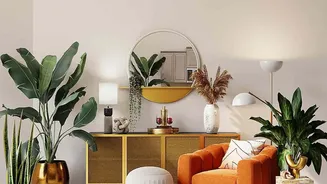
Of course, creating a beautifully eclectic space isn't about randomly throwing things together. That can quickly lead to chaos. The key is to create harmony amidst the diversity. Designers suggest finding a unifying element to tie the room together. This could be a consistent colour palette—for example, using warm tones across different furniture styles. It could also be a repeated material, like touches of brass or natural wood, that appears in different pieces. Another trick is to balance scale and proportion, ensuring that a large contemporary sofa is balanced by other substantial pieces rather than getting lost among smaller items. The goal is for the furniture to feel like it's in conversation with each other, even if they come from different worlds.