







Understanding the Seasonal Advantage
Seasonal shopping is the practice of buying produce that is naturally harvested at a specific time of year in your region. In India, this means enjoying juicy mangoes in the summer, crisp apples in the autumn, and leafy greens like spinach during the cooler
winter months. Unlike produce that is available year-round thanks to cold storage and long-distance transport, seasonal food is picked at its peak. This simple act of buying what's naturally abundant has a direct and positive impact on reducing waste in your kitchen.
The Direct Link to Less Waste
The primary way seasonal shopping reduces waste is by ensuring freshness. Produce that is grown and sold locally has a much shorter journey from the farm to your plate. This concept, often discussed in terms of "food miles," is crucial. Fruits and vegetables that travel long distances are often picked before they are fully ripe. They then spend days or weeks in transit and storage, where they can lose moisture, get bruised, or begin to spoil. By the time they reach your home, their shelf life is already compromised. In contrast, locally sourced seasonal produce is fresher and more robust, meaning it lasts longer in your fridge and pantry, giving you more time to use it before it goes bad.
Better Flavour, Nutrition, and Savings
Beyond just reducing waste, there are other compelling reasons to eat with the seasons. Produce harvested at its natural peak simply tastes better. It's fuller, sweeter, and more flavourful. These foods are also more nutrient-dense. Studies show that vitamins and antioxidants can degrade over long storage periods, so fresh, seasonal produce often offers more health benefits. Furthermore, when a fruit or vegetable is in season, it's plentiful, which drives down its cost. Aligning your diet with the seasons is not only good for the planet but also for your palate and your wallet.
Putting Seasonal Shopping into Practice
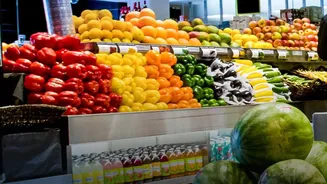
Making the switch is easier than you might think. Start by visiting your local sabzi mandi or farmers' market. Observe what vendors are selling in abundance—these are likely the seasonal heroes. For example, during the monsoon season in India, you'll find an array of gourds (like tori and lauki), corn, cucumbers, and fruits like jamun, peaches, and plums. Planning your meals around what's available and affordable is a key strategy. Instead of deciding on a recipe and hunting for ingredients, see what's fresh and in season, then build your meals around that. This flexible approach not only reduces waste but also encourages culinary creativity.
Smart Storage for a Longer Shelf Life
Bringing home seasonal produce is the first step; storing it correctly is the second. Proper storage is essential to maximising the freshness you gain from seasonal shopping. Keep your refrigerator organised so you can see what you have and use older items first. Many fruits and vegetables have different storage needs. For instance, leafy greens should be kept in the crisper drawer, while potatoes and onions are best stored in a cool, dark place outside the fridge. If you find you have a surplus of something, freezing is an excellent way to preserve it for later use, locking in its flavour and nutrients.