


The Logic of Functional Living
Many popular decluttering methods focus on emotional attachment to objects. While valuable, this approach can be difficult in a small home where functionality is paramount. The 'ranking by use' method offers a more practical, less stressful alternative.
It shifts the focus from 'Do I love this?' to 'How often do I need this?'. This simple question provides a clear, logical framework for deciding what earns its place in your home. The goal is to create an environment where your daily routines are supported, not hindered, by your belongings. By prioritising items based on frequency of use, you ensure that your most-needed possessions are always accessible, reducing daily friction and making your home work for you.
Step 1: A Quick Initial Sort
Before you can rank anything, you need a clear inventory. Don't try to tackle the whole house at once; that's a recipe for feeling overwhelmed. Start with a single, manageable area, like one kitchen cabinet or a single drawer. Empty the space completely and sort everything into four simple categories: Keep, Donate/Sell, Store, and Trash. Be ruthless but quick. If an item is broken, expired, or clearly unwanted, let it go. For this initial pass, the 'Keep' pile will likely be the largest. This is the collection of items you will now assess with the frequency-of-use method. This first step isn't about making tough decisions; it's about clearing the decks so you can think logically about what remains.
Step 2: Rank Your 'Keep' Pile
Now, turn your attention to the 'Keep' pile. This is where the ranking system truly shines. Go through each item and assign it to a category based on how often you use it. Create distinct tiers: Daily Use (e.g., your favourite coffee mug, toothbrush, cooking spatula), Weekly Use (e.g., special-use kitchen gadgets, a weekend bag), Monthly Use (e.g., formal wear, certain serving dishes), and Seasonal/Rare Use (e.g., heavy blankets, festival decorations, travel suitcases). This process forces an honest assessment. You may love all ten of your coffee mugs, but if you only use two daily, the other eight are taking up prime real estate. This ranking isn't about getting rid of things you love, but about understanding their role in your daily life.
Step 3: Prime Real Estate for Prime Items
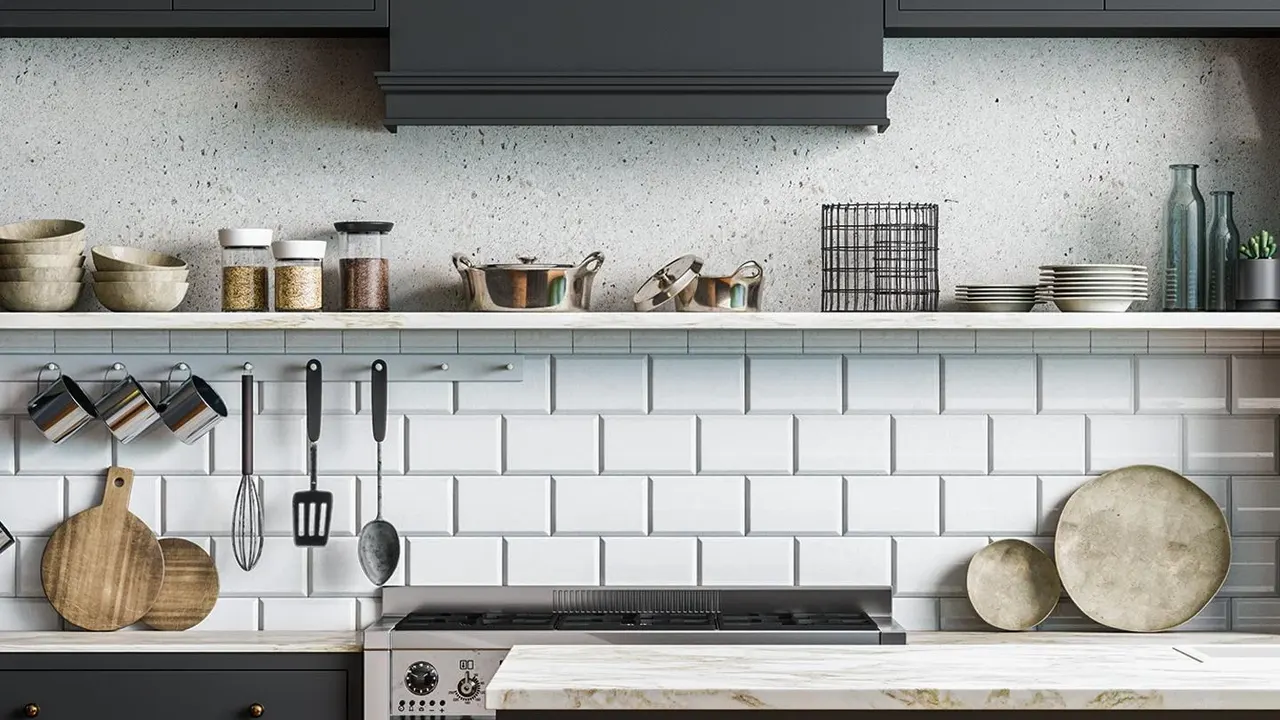
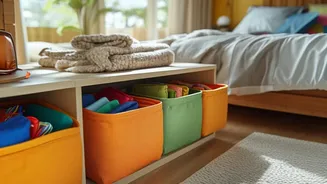
Once your items are ranked, it's time to reorganise your space. The golden rule is simple: the more you use something, the easier it should be to access. Your 'Daily Use' items deserve the most accessible storage locations—the front of cabinets, eye-level shelves, and top drawers. 'Weekly Use' items can go right behind them. 'Monthly Use' items can be stored on higher shelves or in the back of deeper cupboards. 'Seasonal' or rarely used belongings should be placed in the least accessible spots, like under the bed, on the highest shelves, or in dedicated storage boxes. This system of 'zoned' storage ensures your space is optimised for your actual habits, making everyday tasks smoother and faster. Think vertically; using wall space for less-used items can free up valuable counter and cabinet space.
What About Sentimental Items?
Inevitably, you'll encounter items that you rarely or never use but cannot bear to part with due to sentimental value. This method doesn't require you to discard them. Instead, it asks you to give them a special, designated home that doesn't interfere with your daily functional items. Create a single 'memory box' or a dedicated shelf for these treasures. This acknowledges their emotional importance without letting them create clutter in high-traffic, functional zones. By giving these items their own space, you honour their value while maintaining an organised home built for everyday living. If the sentimental item is a collection of photos or letters, consider digitising them to preserve the memory without taking up physical space.