


The Emptiness of the Digital Cart
Our lives are increasingly lived through screens. We connect, work, and shop in the digital realm. While e-commerce offers unparalleled convenience, this constant connectivity has a downside: digital fatigue. Studies show that a majority of consumers
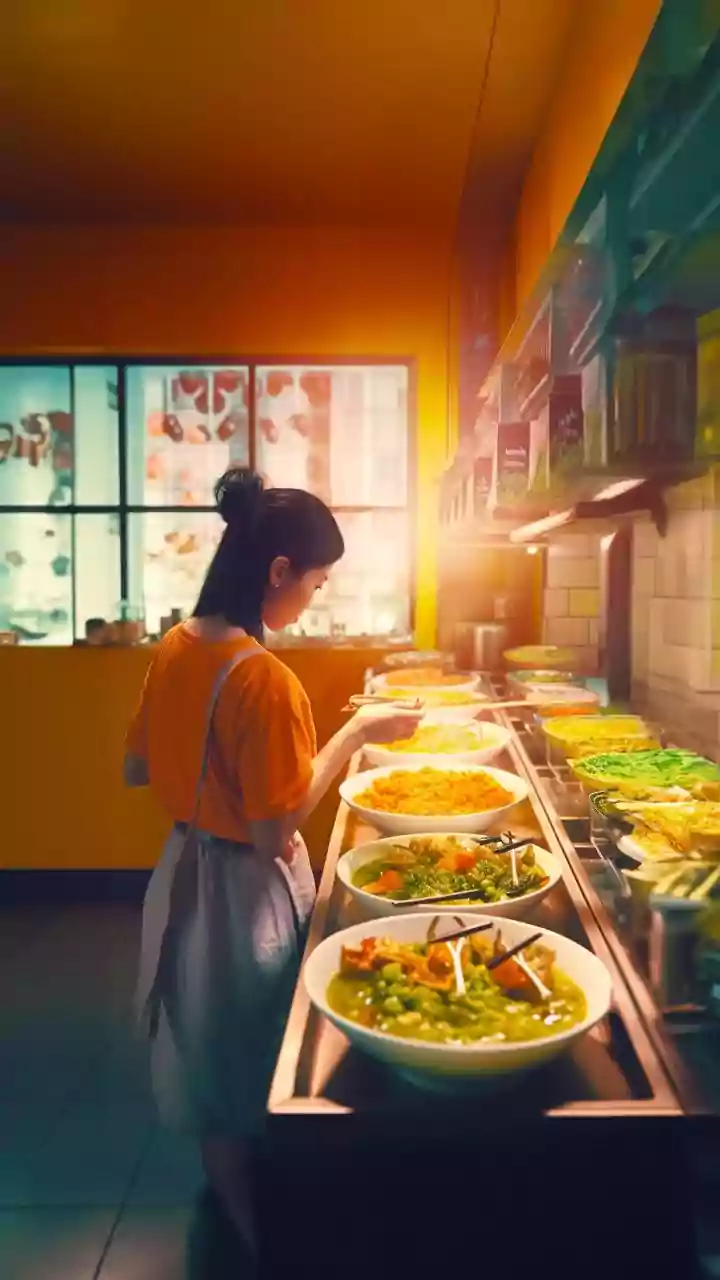
feel overwhelmed by the sheer volume of digital ads and content. The act of filling an online cart provides a temporary rush, a fleeting sense of control or happiness, but it is often followed by a sense of emptiness. The experience is transactional, not transformational. It’s a quiet, solitary activity that, despite its efficiency, fails to satisfy a deeper human need for genuine, shared experiences. The more time we spend in these curated digital spaces, the more we can feel the absence of real-world presence.
The Sensory Joy of a Festival
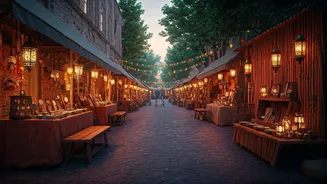
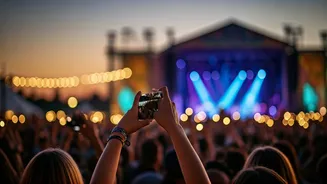
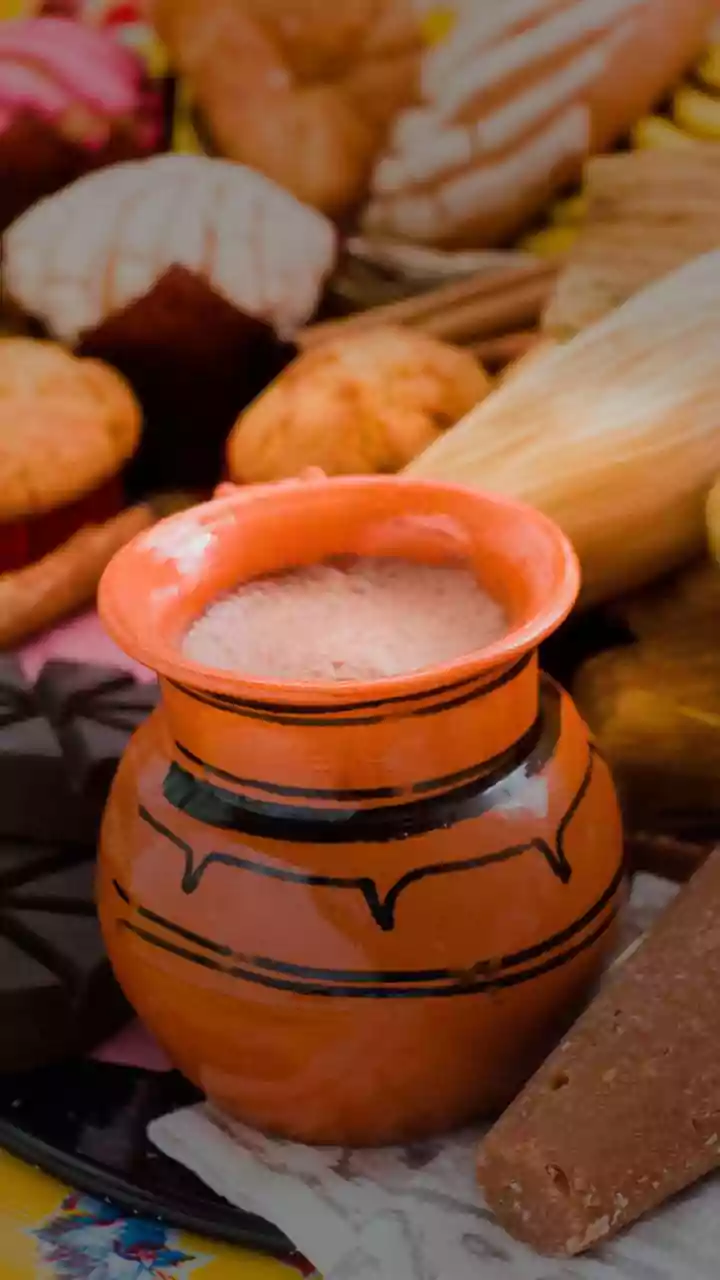
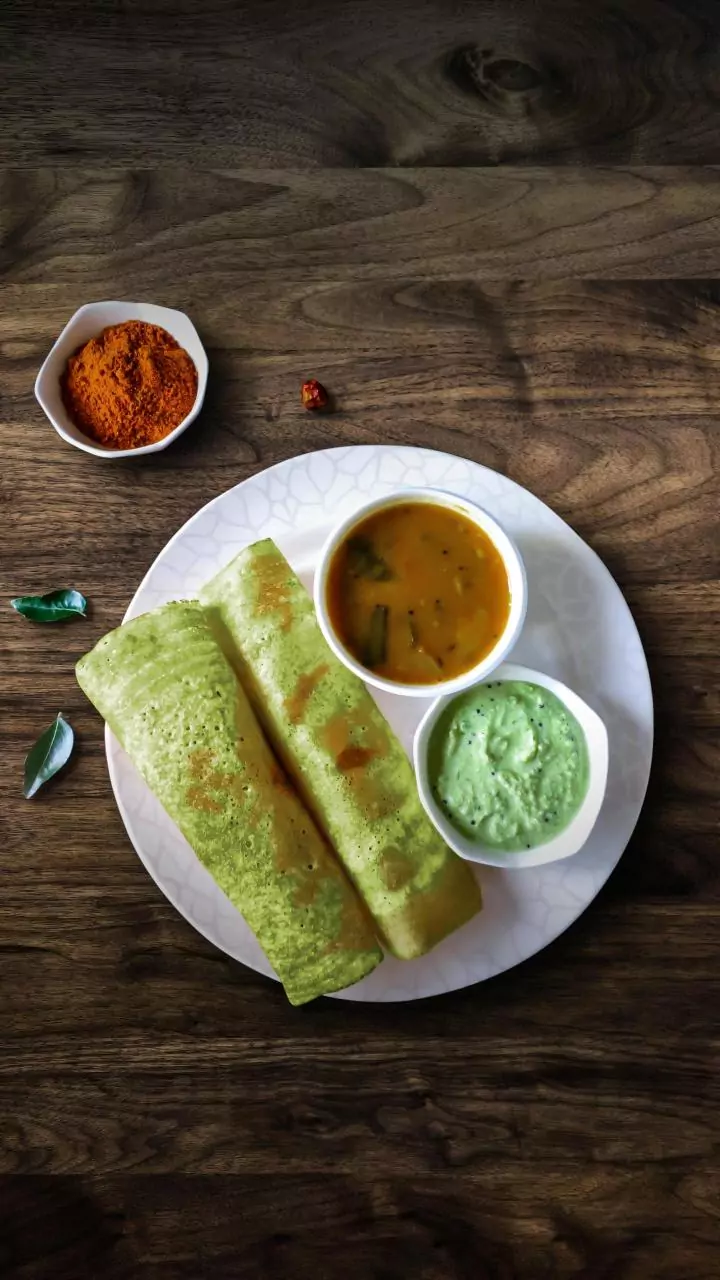
In stark contrast to the sterile click of a mouse, a festival is a full-body, multisensory experience. Think of the energy of a crowd at a music concert, the vibrant colours of Holi, or the aroma of street food during Diwali. These are not experiences that can be replicated online. Festivals bring people together in a shared space to celebrate culture, art, and community. They break down social barriers and create a sense of belonging that combats the loneliness and isolation that can be intensified by a digital-first life. Research has consistently shown that spending on experiences, rather than material things, leads to more lasting happiness. A festival gives you a story, a memory, and a feeling of connection you carry long after the event is over.
Celebrating Culture, Not Just Commerce
In India, festivals are the lifeblood of the culture. From large national celebrations like Diwali and Durga Puja to regional harvest festivals like Onam and Bihu, these events are deeply woven into the social fabric. They are a means of preserving and passing on cultural heritage to new generations. While many festivals have an economic component, their primary purpose is not commerce but community and cultural expression. They are platforms for local artists, musicians, and craftspeople to showcase their talents, reinforcing a region's unique identity. Attending a literary festival, a classical dance event, or a traditional fair is an act of cultural participation that enriches both the individual and the community.
Reclaiming Our Collective Experience
The post-pandemic world has seen a significant surge in demand for live, in-person events. There is a growing hunger for authentic interactions that screens cannot provide. Younger generations, in particular, are driving this trend, prioritising experiences that allow them to connect with a community and create lasting memories. This isn't just about escaping our phones; it's about actively building and reinforcing social bonds. Festivals foster a sense of community pride and belonging. They are spaces where we can engage with our neighbours, celebrate our shared identity, and feel like part of something larger than ourselves. In a world that can often feel fragmented, these collective celebrations are more vital than ever for social harmony and well-being.