




The Search for the Next Hub
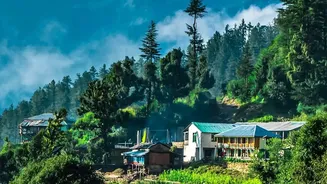
For years, the remote work dream in India had a distinct Himachali flavour. Places like Manali, Dharamshala, and Kasol became synonymous with the digital nomad lifestyle, offering a heady mix of mountain views, cafe culture, and a community of like-minded
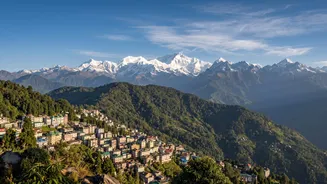
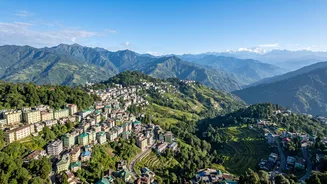
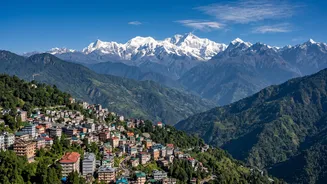
individuals. But popularity has its price. Today, these hubs often struggle with overcrowding, inflated accommodation costs, and infrastructure groaning under the strain of seasonal tourism. This has sent many nomads searching for a destination that offers the same mountain charm without the chaos. Enter Gangtok, the capital of Sikkim, a city that blends Himalayan serenity with modern functionality, making a strong case for itself as the next great Indian remote work destination.
Affordability: A Breath of Fresh Air
One of the most compelling arguments for choosing Gangtok is its affordability. While a month in Old Manali can set you back anywhere from ₹30,000 to ₹60,000, Gangtok offers a significantly lower cost of living without compromising on quality. Long-term rentals, homestays, and guesthouses are more reasonably priced, and the cost of daily essentials like food and local transport is budget-friendly. This financial advantage allows digital nomads to extend their stays, save more, and experience a high quality of life. The city's clean, well-organised markets and eateries provide access to both local Sikkimese cuisine and familiar comforts at prices that haven't been artificially inflated by a tourism bubble.
Connectivity and Workspace Infrastructure
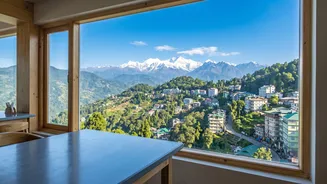
A digital nomad's biggest anxiety is internet connectivity, and this is where Gangtok is making impressive strides. The city has reliable 4G coverage from major providers like Jio and Airtel, which is often sufficient for most work tasks. For more demanding work, fibre broadband is increasingly available in hotels, homestays, and a growing number of dedicated coworking spaces. Establishments like Sanctorum, Gangtok's first purpose-built coworking space, offer high-speed Wi-Fi, meeting rooms, and a professional environment starting from around ₹6,000 per month. This burgeoning infrastructure, which includes power backup and work-friendly cafes, directly addresses a key pain point that can plague more remote Himalayan locations.
A Different Pace and Culture
Beyond the practicalities, Gangtok offers a unique cultural experience that sets it apart from the often party-centric vibe of some Himachal hubs. The city is known for its peaceful atmosphere, cleanliness, and the harmonious blend of traditional Sikkimese-Buddhist culture with modern city life. The pedestrian-only MG Marg is the city's social and commercial heart, offering a clean and pleasant space to shop, eat, and relax. Instead of all-night parties, you'll find serene monasteries, stunning viewpoints like Tashi View Point, and a population known for its warmth and hospitality. For nomads seeking focus, wellness, and genuine cultural immersion, Gangtok’s calm and organised environment is a significant draw.
Beyond the Laptop: Exploring Sikkim
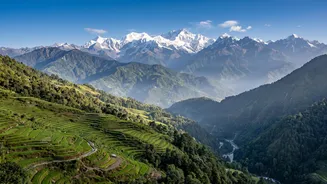
A workation isn't just about the work; it's about the 'ation'. Gangtok serves as the perfect base to explore the breathtaking landscapes of Sikkim. On weekends, you can take trips to the stunning Tsomgo Lake, visit the historic Rumtek Monastery, or explore the unique 'digital nomad villages' like Yakten being developed in the region to promote sustainable, long-stay tourism. The state's focus on eco-tourism and developing new hubs for remote workers shows a forward-thinking approach that directly benefits nomads looking for authentic experiences. Unlike the sometimes-overwhelmed circuits in Himachal, Sikkim offers a chance to explore pristine nature and unique cultural sites without the crowds.