





As sniffles and chills mark the arrival of flu season, many seek comfort in warm, nourishing foods. Enter pepper rasam, a South Indian staple that offers more than just flavour, delivering a soothing blend of spices and tang right when you need it.
A Comforting Culinary Tradition
At
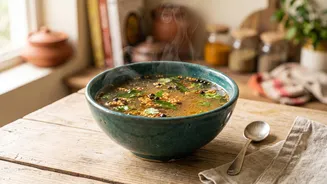
its heart, rasam is a thin, soup-like broth that holds a cherished place in South Indian cuisine. Specifically, pepper rasam, or 'milagu rasam' in Tamil, is a time-honoured remedy, often compared to North India's khichdi as the go-to food for recovery. It is a simple, soulful dish made from a base of tamarind juice and tomatoes, supercharged with a potent mix of spices. For generations, it has been the first line of defence in households at the first sign of a sniffle, revered for its ability to provide warmth and comfort when one feels under the weather. Its light, watery consistency makes it easy to consume even when appetite is low, helping to keep the body hydrated and nourished.
The Power of Pungent Spices
The star of pepper rasam is undoubtedly black pepper. Its key compound, piperine, is responsible for its characteristic heat and many of its therapeutic properties. Black pepper acts as a natural decongestant, helping to clear nasal passages by promoting mucus drainage. This makes breathing easier during a cold. The warming effect of the pepper, combined with other spices like cumin and garlic, provides a soothing sensation for a sore throat. Garlic, often included in pepper rasam, is known for its immune-supporting properties. Many recipes also feature turmeric, whose compound curcumin has well-documented anti-inflammatory effects. The combination of these spices creates a blend that supports the body's natural defences.
The Essential Sour Element
What balances the intense heat of the pepper is the dish's signature sour flavour, which typically comes from tamarind. Tamarind is not just a flavouring agent; it is rich in antioxidants and vitamin C, both of which are beneficial for immune support. The tangy broth, often supplemented with the umami taste of tomatoes, helps to cut through the richness of other foods and stimulate the palate, which can be especially helpful when illness dulls the sense of taste. This blend of pungent and sour is a deliberate culinary strategy, creating a dish that is both complex in flavour and functional in purpose. The acidity from the tamarind also aids in digestion, another reason rasam is considered a light and restorative meal.
More Than Just a Flu Fighter
While pepper rasam shines during flu season, its benefits extend far beyond being a remedy for the common cold. It is celebrated as a powerful digestive aid. The spices, particularly black pepper and cumin, stimulate digestive enzymes, making it a common dish to serve after a heavy meal to prevent bloating and indigestion. Thanks to its low-calorie nature and flavourful punch, rasam can also be a smart addition to a weight management plan. Its blend of ingredients rich in antioxidants, vitamins, and minerals supports overall wellness, from gut health to skin vitality. This makes it a versatile dish that can be enjoyed daily, not just on sick days.
How to Best Enjoy Pepper Rasam
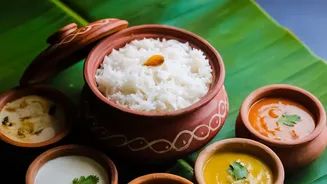
The beauty of pepper rasam lies in its simplicity and versatility. Traditionally, it is served as a course with hot, steamed rice, sometimes with a dollop of ghee to temper the spice. You can pour it over the rice and mix it, or have it on the side. Alternatively, it is perfectly acceptable, and quite common, to drink it straight from a small bowl or tumbler like a clear soup. This is often the preferred method when dealing with a sore throat or congestion, as sipping the warm, aromatic liquid provides immediate comfort. Whether as part of a larger meal or as a standalone soothing drink, pepper rasam is a dish designed for both pleasure and purpose.